

IndyCar’s latest run of special liveries has done more than just refresh the grid visually—it’s reignited deep nostalgia, sparked design debates, and revealed how modern sponsorships continue to intersect with the sport’s history and identity. Two cars in particular—Scott McLaughlin’s Pennzoil Indy 500 entry and Felix Rosenqvist’s Green Day–themed Long Beach machine—have become focal points for fan reaction, blending reverence for the past with polarizing execution in the present.
The Return of a Classic—With a Twist
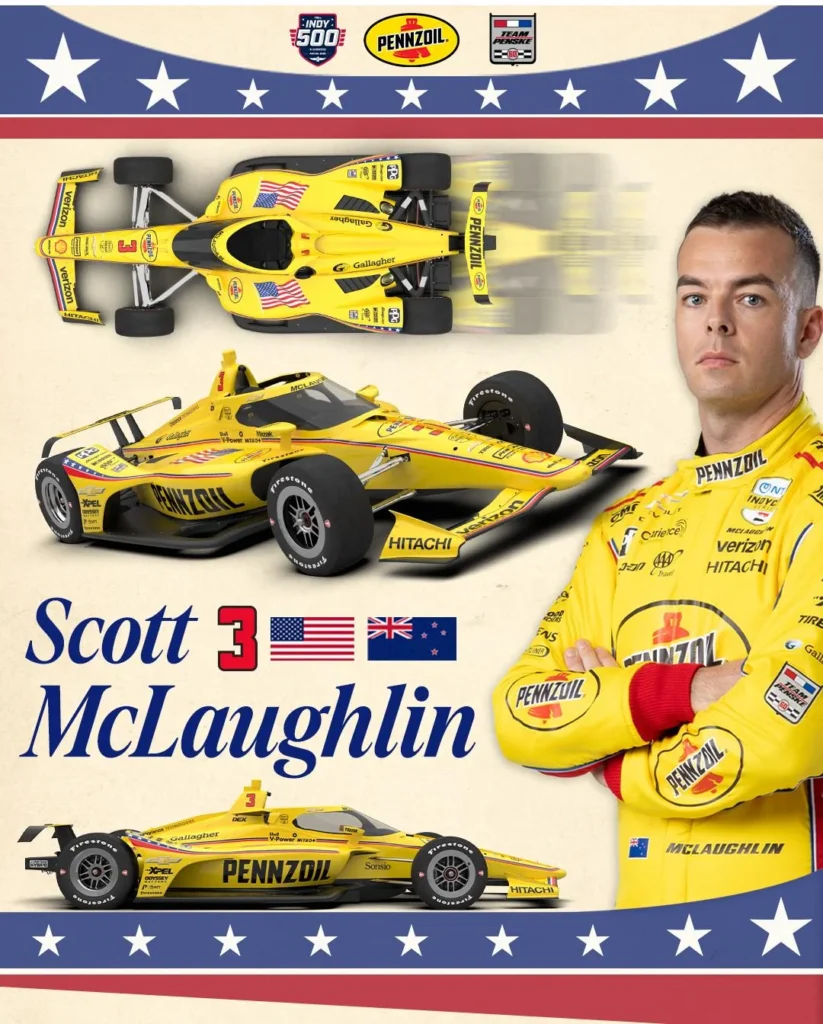
Scott McLaughlin’s Pennzoil livery immediately triggered a sense of familiarity. The bright yellow base and unmistakable branding prompted a near tongue-in-cheek reaction: a Pennzoil car that is, in fact, yellow and says Pennzoil on the side. But beneath that simplicity lies something more meaningful—this is a visual callback to one of IndyCar’s most iconic eras.
For many, this is the IndyCar look. The design evokes the legacy of past champions and teams, with some seeing clear connections to figures like Sam Hornish Jr., reinforcing the idea that this livery isn’t just aesthetic—it’s symbolic. The inclusion of a subtle “250” detail further nudges the design toward a Hornish-era tribute rather than a Rick Mears-inspired one, underscoring how specific historical cues resonate differently across fans.
At the same time, the execution hasn’t escaped criticism. While the Stars and Stripes elements attempt to lean into the spectacle of the Indy 500’s Memorial Day weekend identity, many feel the integration lacks cohesion. The American flag motifs on the front wing and sides have been described as disjointed—more like clipart than a fully realized design language. Comparisons to older, more cohesive patriotic liveries only sharpen that critique.
There’s also a broader tension at play between authenticity and marketing. Some question the necessity of heavy American imagery given McLaughlin’s background, though others quickly point out his recent American citizenship, reframing the choice as more personal than performative. Still, the overall impression for some is that the livery prioritizes visibility and sponsor alignment over design harmony.
Yet even with its flaws, the core sentiment remains strong: a Pennzoil IndyCar simply feels right. The nostalgia carries weight, and for many, that alone makes the livery a success—even if the details don’t fully land.
Rosenqvist’s Rock-Inspired Livery Hits a Different Note
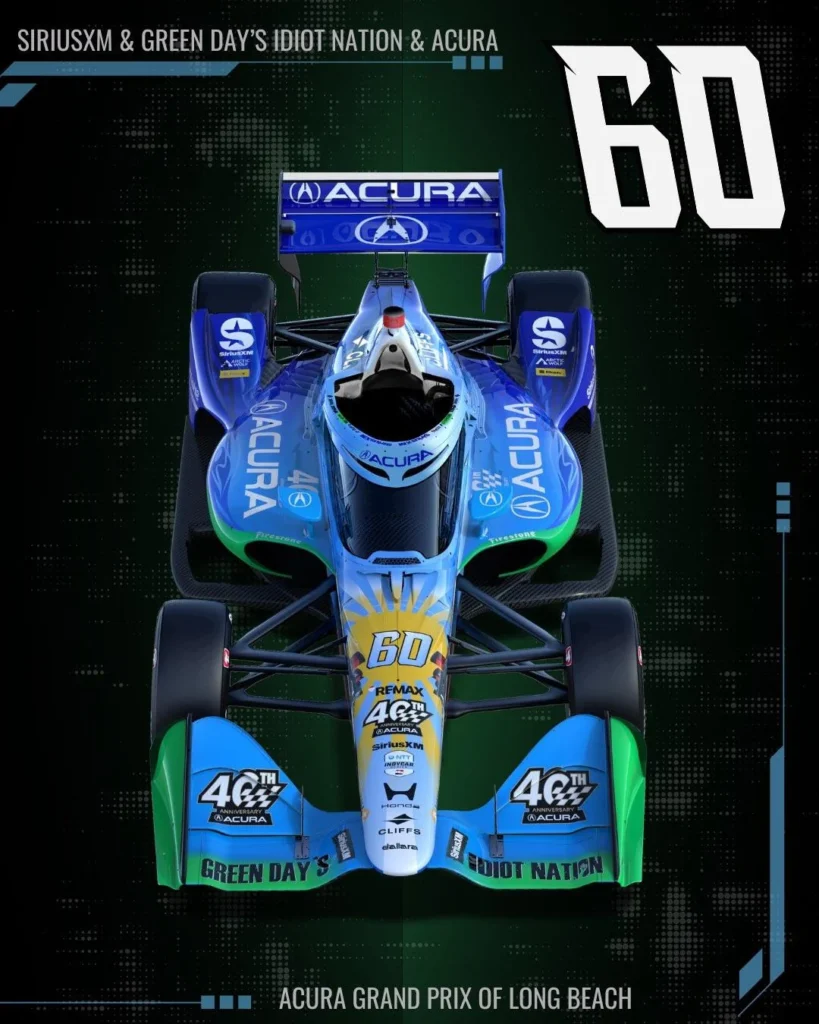
If McLaughlin’s car leans into heritage, Felix Rosenqvist’s “Idiot Nation” livery for Long Beach pushes into cultural crossover—and does so with far more universal approval.
The Green Day–backed design immediately drew comparisons to the Benetton B194, one of Formula 1’s most visually distinctive cars. Whether intentional or not, the resemblance taps into a broader motorsport aesthetic that transcends series boundaries. For many, it feels like an unintentional throwback—but one that absolutely works.
That sense of cohesion is key. Where McLaughlin’s livery drew scrutiny for its execution, Rosenqvist’s is widely seen as cohesive, confident, and visually striking. The reaction is less about dissecting design flaws and more about celebrating the overall impact. It’s described as “amazing,” “an absolute joy,” and part of a growing trend where Meyer Shank Racing is consistently delivering standout liveries.
There’s also a deeper appreciation for the concept itself. SiriusXM’s approach—using each race to promote a different station—has been recognized as both creative and effective. While not every execution may hit the same level, the strategy introduces variety and keeps the visual identity of the team dynamic across the season.
Beyond the design, the cultural layer adds another dimension. The idea that Green Day—once a defining band of the 1990s—now has a dedicated satellite radio channel and a presence in IndyCar creates a surreal sense of time passing. For some, it’s a reminder of longevity; for others, it’s a moment that makes “their knees hurt.” Either way, it underscores how motorsport sponsorship continues to evolve beyond traditional brands.
Where Nostalgia Meets Modern Motorsport
Taken together, these two liveries highlight a central tension in modern IndyCar: balancing reverence for the past with the demands of contemporary branding.
McLaughlin’s Pennzoil car shows how powerful nostalgia can be—but also how difficult it is to modernize it without losing coherence. Rosenqvist’s Green Day livery, meanwhile, demonstrates how a bold, culturally driven concept can succeed when executed cleanly, even if it leans on retro inspiration.
Both approaches have value. One anchors the sport in its history; the other pushes it into new cultural territory. And the fact that both can exist—and generate this level of discussion—speaks to the strength of IndyCar’s visual and emotional identity.
If anything, the takeaway is clear: liveries are no longer just paint schemes. They’re storytelling tools, cultural touchpoints, and, increasingly, one of the most engaging ways fans connect with the sport.