

This week in Formula 1 was less about lap times and more about interpretation, of quotes, of intent, of technical direction, and, in some cases, of basic human context. Across stories that spanned 2026 regulations, power units, personnel movement, merchandise, circuits, and media behavior, a common thread emerged: much of the conversation was driven not by what changed, but by how information was framed.
Headlines vs Reality: When Words Do the Heavy Lifting
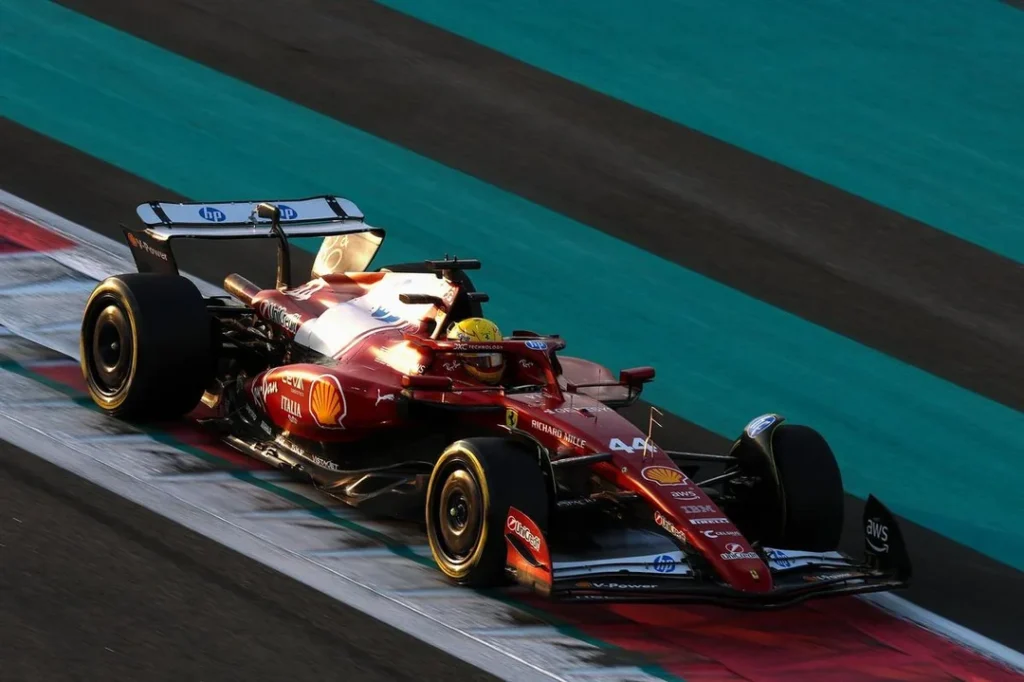
Few examples captured this better than coverage surrounding Lewis Hamilton and the 2026 regulations. Headlines suggesting he was “praying” for success collapsed under even cursory reading. Hamilton’s comments were clearly about car characteristics, particularly his dislike for the current ground-effect generation and his hope that the next cars are an improvement, not anxiety about competitiveness or career outcomes. The reaction was not to the substance, which was reasonable, but to the exaggeration. In an offseason short on fresh material, repackaged quotes and loaded wording once again became the story.
A similar dynamic played out around Oscar Piastri, whose reflections on 2025 and 2026 were quickly overshadowed by meta-commentary: the monotony of driver media obligations, the psychology of money, and, inevitably, his suit. The takeaway was less about regulations and more about the reality of being an F1 driver, repetitive, hyper-visible, and often judged as much on aesthetics as insight.
2026: Engines, Fuel, and Manufactured Narratives
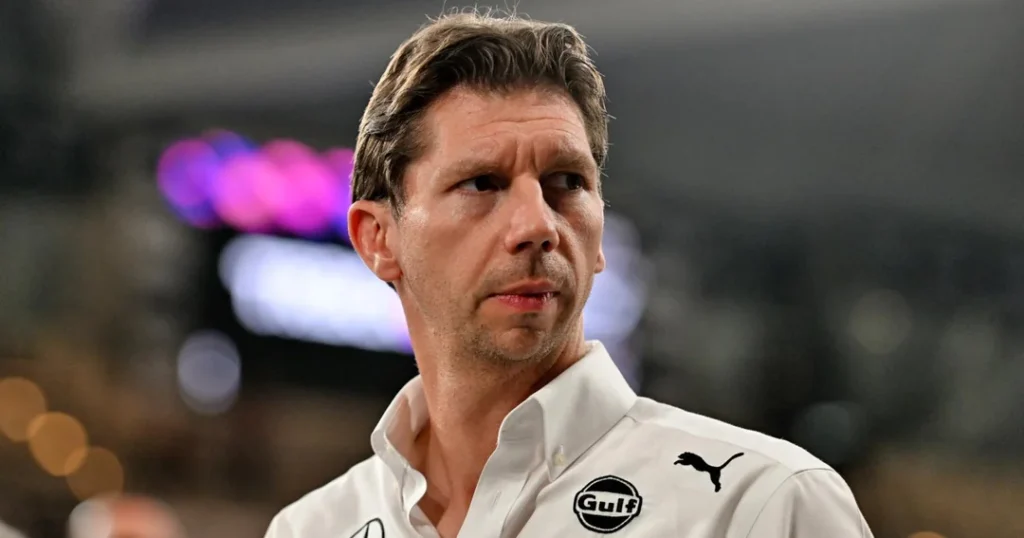
Technically, 2026 dominated the week. James Vowles pushed back hard on claims that Mercedes is destined to repeat its 2014 engine dominance, calling such speculation a “narrative” planted by rivals. His core point resonated widely: no manufacturer truly knows where they stand until cars run in anger. With sweeping power-unit changes, greater electrification and the removal of the MGU-H, certainty is an illusion.
That skepticism extended to fuel. The shift from mass-based fuel flow limits to energy-per-hour regulation fundamentally changes optimization strategies. Fuel chemistry will still matter, but not as a blunt performance weapon. Instead, suppliers will influence thermal management, drivability, and integration with hybrid systems. The days of exotic, borderline hazardous blends are gone, but the lesson from history remains: chemistry has always shaped outcomes, even if it no longer decides them outright.
Red Bull Powertrains, Ford, and “On Target”
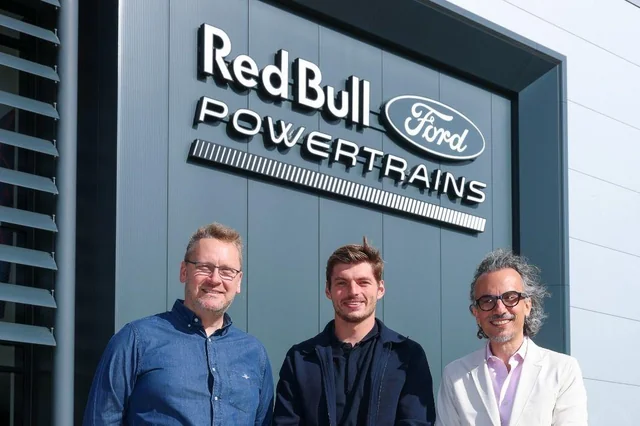
Ford’s assertion that Red Bull’s engine program is “on target” was met with measured confidence rather than hype. Red Bull Powertrains is not a startup staffed by graduates, it is a purpose-built operation nearing 1,000 people, heavily stocked with former Mercedes and Honda expertise, and years into development. Debate centered not on whether they can build a competitive engine, but on organizational execution and workflow optimization.
Ford’s role, meanwhile, sits between perception and reality. While Red Bull retains full design control, Ford’s manufacturing capability, testing infrastructure, and hybrid-side involvement appear deeper than initially advertised. Whether that contribution proves decisive remains unknown, but the program’s current focus on drivability and calibration places it exactly where it needs to be at this stage of homologation.
Suzuka, Surfaces, and Semantics
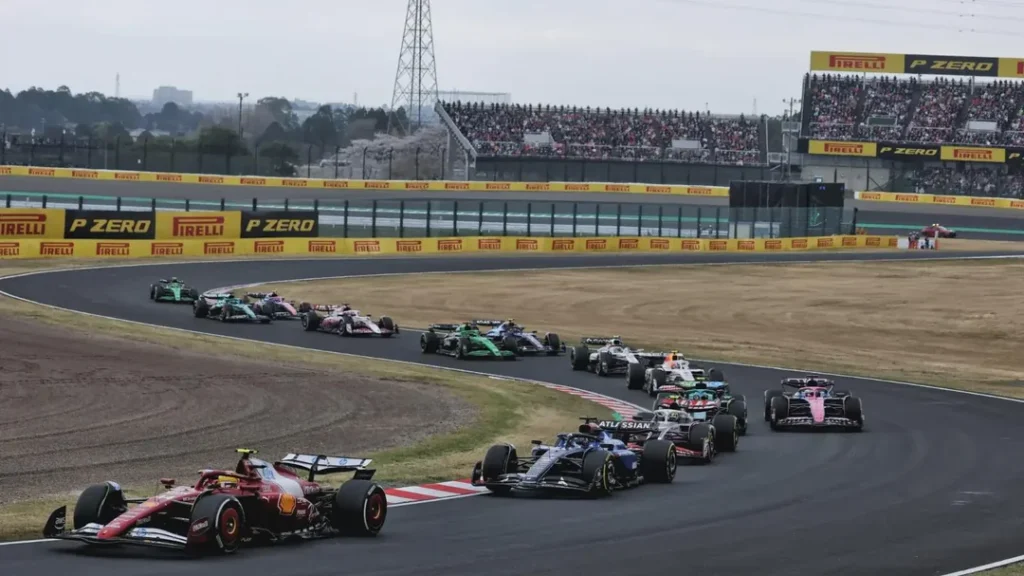
When news broke that Suzuka Circuit would undergo “changes” ahead of 2026, panic followed, until it became clear the track is simply being resurfaced. The layout remains untouched. Still, resurfacing is not trivial. Last year’s smooth asphalt dramatically reduced tire degradation and dulled the race. Whether the new surface restores Suzuka’s traditional character or repeats that outcome will matter far more than any headline wording. The relief was real: Suzuka survives intact, soul included.
Merch, Money, and Wearability
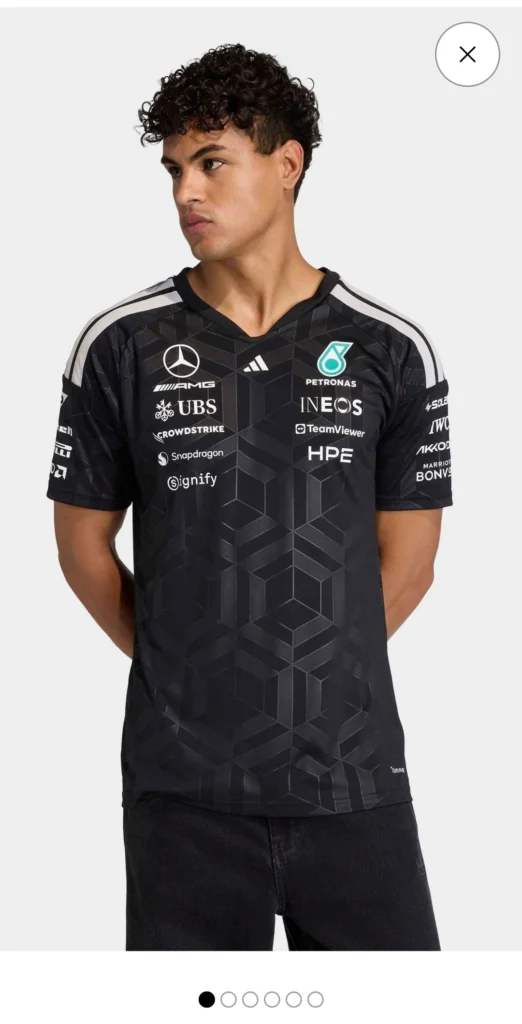
Away from the track, leaked Mercedes merchandise reignited long-standing frustration with F1 apparel. The consensus was blunt: most team merch is unwearable, overpriced, and functions primarily as paid advertising for sponsors. Fans consistently praised minimalist designs, particularly from McLaren’s sponsor-light offerings, and lamented the loss of older, higher-quality eras. The disconnect between price, quality, and design has become so pronounced that many now avoid team kits entirely.
Lambiase, Loyalty, and the Limits of Speculation
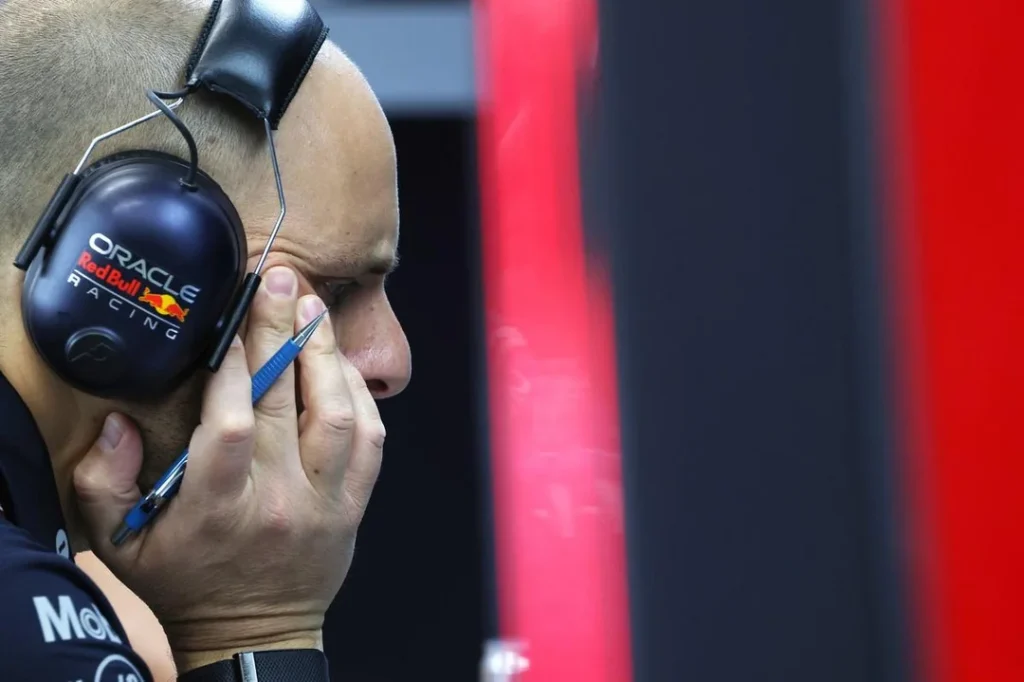
The most serious thread of the week centered on Gianpiero Lambiase. Reports that he may leave Red Bull Racing, with conversations involving Williams and Aston Martin, were quickly entangled with old quotes from Max Verstappen and an avalanche of conjecture.
What reframed everything was context. Lambiase’s wife is battling breast cancer. His absences, visible emotion late in the season, and interest in roles with reduced travel now make sense. Re-litigating four-year-old loyalty quotes or turning personal circumstances into professional intrigue felt, to many, deeply misplaced. The dominant call was simple: give the man space.
This episode exposed a larger issue, Formula 1’s relentless calendar and the strain it places on everyone not named driver or team principal. It also highlighted how quickly media narratives can override human reality. Some reporting is inevitable. Amplifying speculation when nothing has been announced is not.
The Pattern
Taken together, the week revealed a sport caught between technical transformation and media distortion. Engines are evolving, fuels are changing, teams are reorganizing, but much of the loudest noise came from framing, not facts. Whether it was exaggerated headlines, misread quotes, leaked merch, or premature speculation about careers, the underlying theme was the same: context matters.
As Formula 1 heads toward its next major reset, the competitive picture remains wide open. What is already clear, however, is that amid all the complexity, regulatory, technical, political, the human element is still the one most easily lost, and most in need of restraint.