

If this week in Formula 1 had a theme, it was transition, technical, political, and human, often arriving faster than the sport seems prepared to handle.
Across engine regulations, driver pipelines, manufacturer ambition, and internal power shifts, the picture that emerged was not one of clarity, but of compromise. Sometimes deliberate. Sometimes accidental. Sometimes uncomfortable.
Cadillac, Zhou, and the Value of Being Available

The Cadillac project continues to take shape less like a clean-sheet F1 entry and more like a carefully assembled political coalition. Zhou Guanyu’s exit from Ferrari’s reserve structure and apparent alignment with Cadillac reflects that reality clearly.
At face value, the move raises obvious questions: why leave Ferrari for a team without a grid presence yet? But viewed through the lens of Super License availability, commercial reach, and internal relationships, particularly the team principal’s management ties, it becomes far more pragmatic. Cadillac still needs drivers who can legally step into a race seat if required. Zhou can. Others cannot.
That matters more than testing mileage or simulator hours.
Layered on top is the commercial logic. Cadillac’s presence in China, while debated in scale, is real, visible, and actively marketed. Whether or not sales figures are interpreted generously, the brand clearly values visibility in the region, and Zhou provides that instantly. Even if his role is initially symbolic, symbolism is currency for a new manufacturer entering Formula 1.
The underlying message is simple: availability, legality, and market relevance now carry as much weight as raw performance when teams are still being built.
2026 Power Units: When Governance Creates a Camel
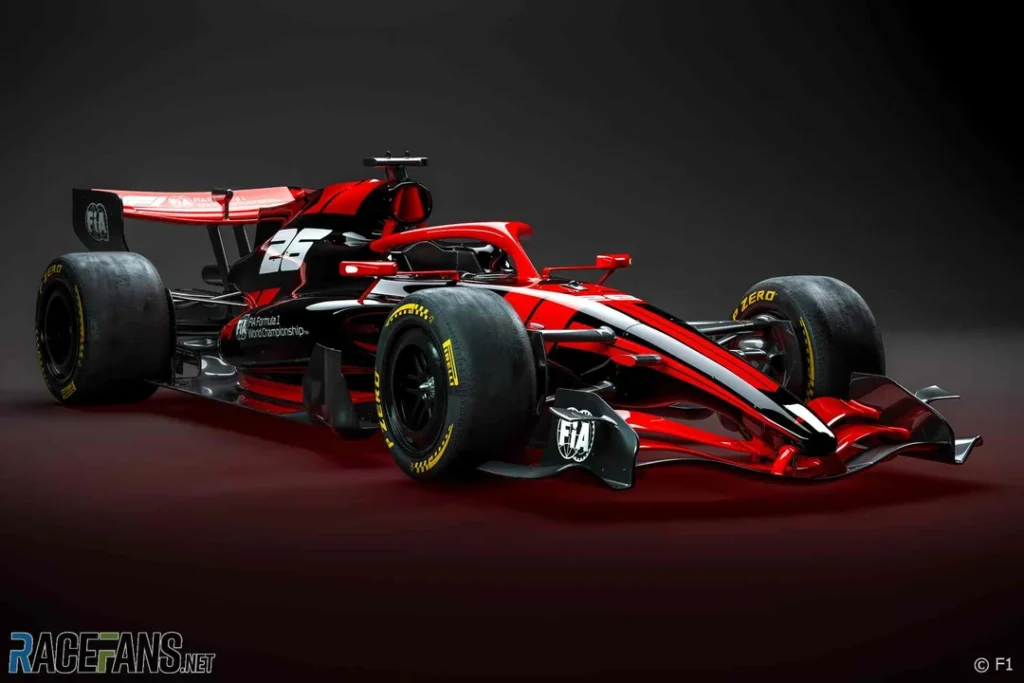
Few topics exposed Formula 1’s regulatory contradictions more clearly this week than the 2026 power unit debate.
The removal of the MGU-H created a known energy deficit. A proposed solution, front axle energy recovery via an MGU-K, was rejected after objections from a single manufacturer. The result, as described bluntly by Pat Symonds, is an engine formula compromised by committee.
The irony is hard to ignore. Front axle regeneration is already a solved problem elsewhere in motorsport. LMH cars use it. Formula E uses it. Brake-by-wire systems already exist in F1. Even spec components were reportedly offered as a way to neutralize competitive advantage.
Yet fear of asymmetry, and fear of losing manufacturers, won out.
What this exposed more than anything was leverage. With engine supply increasingly concentrated, the FIA’s willingness to enforce long-term technical coherence weakens. When participation is scarce, veto power grows. The result is a regulation set that satisfies no one fully, solves fewer problems than it could, and leaves open the expectation of early amendments.
The camel analogy resonated because it fit too well.
Maisy Creed and the Long, Uneven Road Up

Maisy Creed’s karting success rightly drew congratulations. A 16-year-old winning at that level, particularly as the first female driver to do so, matters. Visibility matters. Participation matters.
What followed, however, was a more sobering conversation about development pathways.
The debate around the prestige of the title, the accuracy of historical comparisons, and the viability of jumping directly into elite single-seater programs highlighted a recurring issue in modern motorsport: hype often moves faster than infrastructure.
F1 Academy emerged as both opportunity and risk. For some, it represents funded progression and visibility. For others, it risks becoming a cul-de-sac that delays harder but necessary steps through F4, FRECA, and beyond.
The consensus, if one exists, is that success will not come from shortcuts. Talent still needs mileage, failure, and time. The encouraging part is not Creed’s destination, but the growing sense that the ladder is finally being examined critically rather than mythologized.
Piastri, Alpine, and the Cost of Organizational Failure
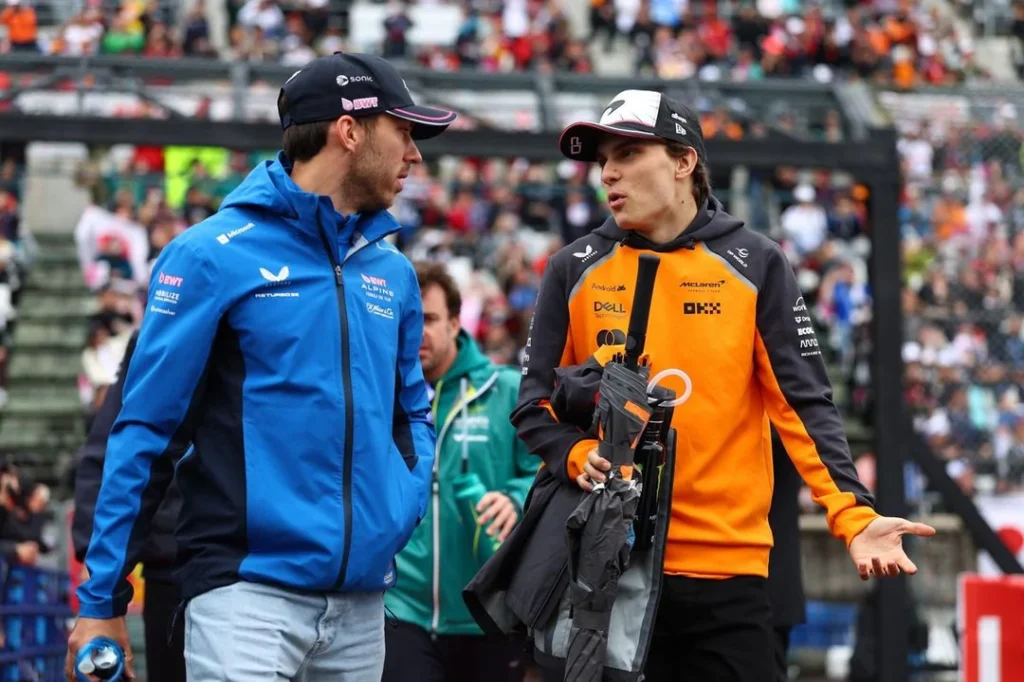
Oscar Piastri’s reflection on the Alpine contract saga reopened one of the most damaging self-inflicted wounds in recent F1 history.
Stripped of humor and hindsight, the situation remains remarkably simple: Alpine announced a driver without securing a contract. The driver pursued a guaranteed seat elsewhere. Alpine sued. Alpine lost. Alpine paid the costs.
What lingers is not the mistake, but the refusal by parts of Alpine’s leadership to fully own it. Repeated claims of disloyalty collapse under scrutiny when no binding offer existed. In Formula 1, loyalty does not substitute for contracts, and promises do not preserve Super Licenses.
The contrast is stark. Teams release drivers ruthlessly when performance dips. Drivers are expected to wait patiently when teams hesitate. That imbalance is increasingly rejected, and Piastri’s trajectory since has only reinforced how badly Alpine misjudged both the situation and the individual.
Ferrari, Steel Cylinder Heads, and the Myth of Incompetence
Ferrari’s reported decision to pursue steel cylinder heads for 2026 ignited another round of familiar discourse: Ferrari as a technical punchline.
The technical discussion itself was nuanced. Steel is not a monolith. Alloy choice, heat treatment, grain structure, and packaging constraints all matter. The power unit’s minimum weight is increasing. Reliability concerns reportedly ended one development path. Compactness remains a priority.
Yet much of the reaction had little to do with metallurgy and everything to do with narrative fatigue.
Ferrari’s engine department has repeatedly proven capable of recovery, even after regulatory resets or enforced redesigns. Where Ferrari has fallen short historically is not raw engineering competence, but organizational integration: aero, chassis, strategy, and execution failing to align simultaneously.
Calling Ferrari incompetent ignores reality. Calling them frustrating does not.
Lindblad, Red Bull, and the Cost of Acceleration

Arvid Lindblad’s rapid ascent into Formula 1 reflects Red Bull’s enduring willingness to accelerate talent aggressively, sometimes brutally.
By their own count, he becomes the 20th Red Bull junior to reach F1. That statistic alone reframes the achievement. The bar is not just performance; it is adaptability under pressure.
Comparisons to Liam Lawson, Isack Hadjar, and Yuki Tsunoda are unavoidable. So is the reality that Red Bull’s depth is both a strength and a warning. Drivers are opportunities, but also consumables.
With Helmut Marko no longer occupying his traditional role, the academy’s internal dynamics are evolving. What has not changed is the expectation: figure it out immediately, or someone else will.
Pre-Season 2026: The Illusion of Novelty
The 2026 calendar is set. Launches begin mid-January. Testing follows. Australia opens the season.
Anticipation is already tempered by cynicism. Most liveries will change little. Generic model reveals will dominate. Private testing will produce grainy footage, exaggerated conclusions, and immediate allegations of illegality.
And yet, there are genuine points of interest. New regulations governing paint coverage will force at least some visual change. Audi and Cadillac guarantee fresh identities. New power units and aero concepts will begin to surface, however imperfectly.
Pre-season remains theater, but it is necessary theater.
Haas and Toyota: Partnership Before Ownership
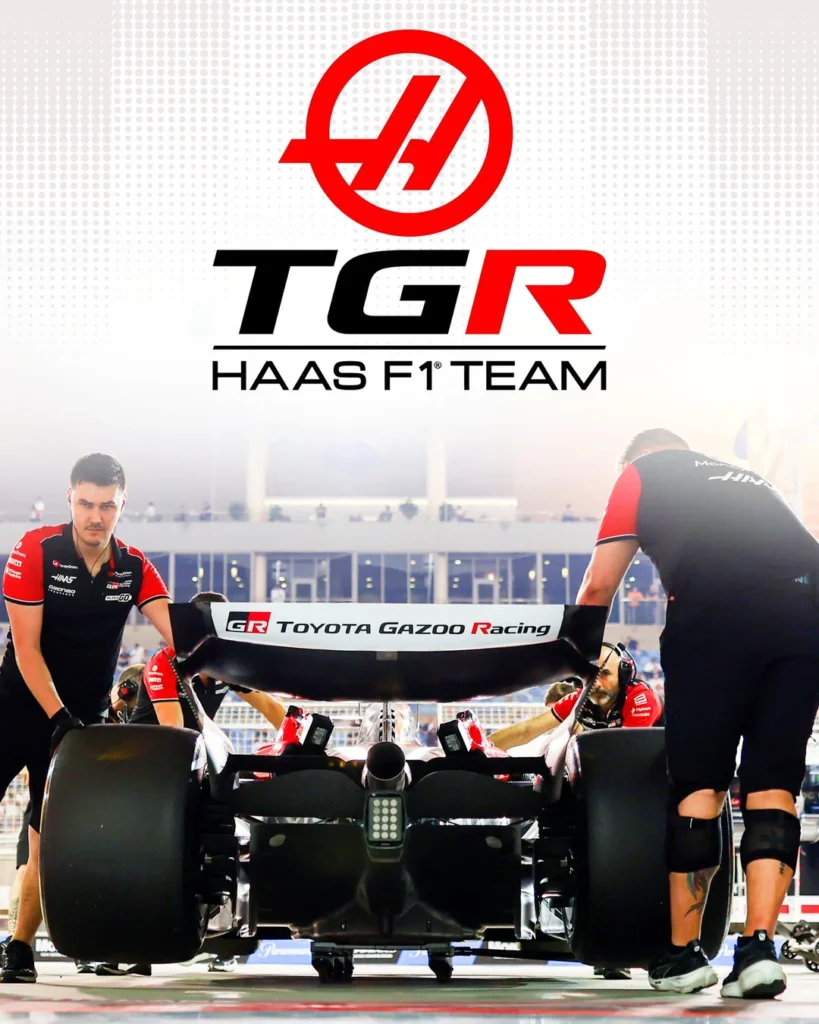
Toyota stepping up as Haas’ title partner marks a significant escalation in their relationship, but not yet a return to full factory ownership.
Speculation about buyouts, partial stakes, and future engine programs is inevitable. What emerged instead was a clearer picture of incentives. Haas gains technical depth, brand association, and long-term stability. Toyota gains F1 exposure without the political and operational burden of ownership.
Gene Haas’ reluctance to sell outright remains consistent. F1 team ownership is no longer a vanity project; it is a scarce asset. Partial divestment may come. Full exit seems unlikely in the near term.
For now, this is alignment, not conquest.
McLaren, Courtenay, and the Normalcy of Poaching
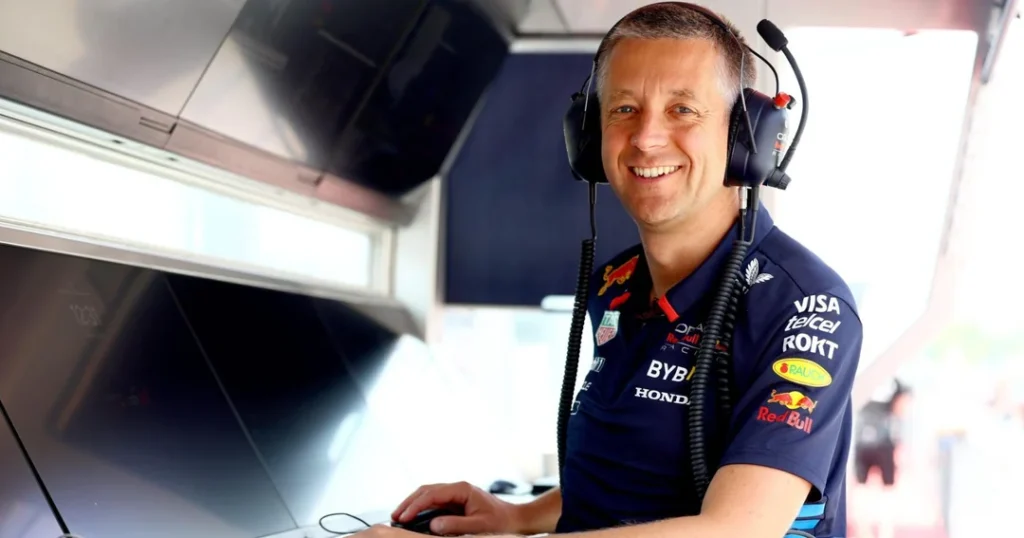
Will Courtenay’s early release from Red Bull to McLaren sparked predictable panic about Red Bull’s future.
The calmer interpretation prevailed.
Senior staff movement is constant in modern F1. Structures matter more than individuals, assuming those structures are real. Red Bull has lost people before. So has Mercedes. So will McLaren again.
This move is a loss for Red Bull and a gain for McLaren. It is not an existential crisis.
The true test will come not in 2026, but in how quickly each organization adapts once the regulations reset.
Checo’s Exit, and the Red Bull Reality
Sergio Pérez’s farewell anecdote landed because it felt honest.
Red Bull does not lack drivers. It cycles through them. Pérez lasted four seasons, longer than many remember, because he fulfilled a need until replacements matured. When the pipeline caught up, the patience ran out.
That is not cruelty. It is Red Bull’s model.
What Pérez captured in laughter was the inevitability. There is always another driver. And eventually, they will all be used.
Final Thought
This week did not deliver a single defining headline. Instead, it revealed something more valuable: how Formula 1 actually functions beneath the spectacle.
Compromises shape regulations. Leverage shapes governance. Patience is rare. Loyalty is conditional. Talent is abundant, but opportunity is not.
The sport is moving forward. Whether it is doing so cleanly remains very much in question.