

When “Beef” Is Just Competition
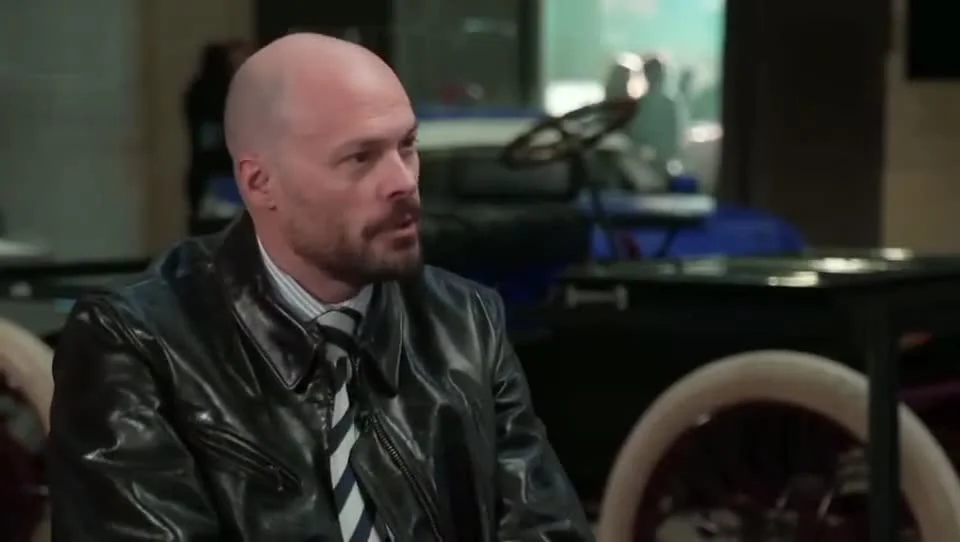
When Max Verstappen was asked whether he’s still friends with Lando Norris, his answer was pointedly unremarkable: nothing has changed. Any perceived “spice” was largely a creation of interpretation rather than intent.
Fan reactions quickly grounded the moment in something familiar, competitive friends behaving like gamers or siblings who argue hard and move on faster. The sharper criticism wasn’t aimed at either driver, but at how routinely neutral remarks are repackaged into narratives of fallout, tension, or rivalry escalation. The issue isn’t disagreement; it’s how often there’s nothing substantive to disagree about in the first place.
Big Numbers, Little Context: Cadillac’s Hiring Reality
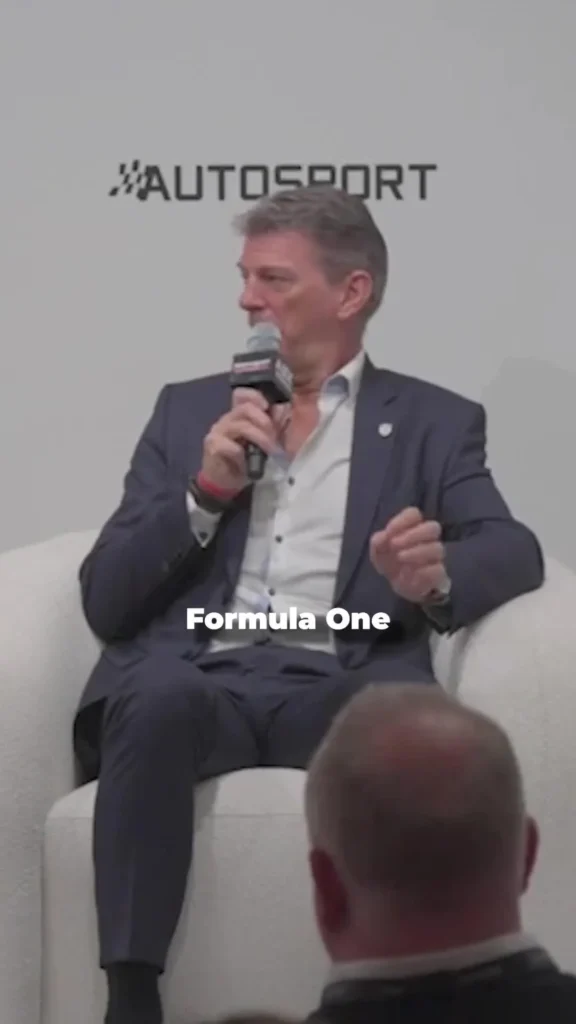
Graeme Lowdon’s revelation that Cadillac received 143,265 applications for 595 roles landed like a shock headline, until the discussion turned practical.
Across engineering, tech, and motorsport, mass CV spamming, AI-generated applications, visa-blind submissions, and outright fake candidates are now standard. The number sounds like prestige, but the lived reality is noise management. For teams, it’s a resource drain. For early-career applicants, it’s demoralizing. And for fans reading the figure in isolation, it becomes another statistic that feels dramatic while explaining very little on its own.
Gloss Is Back, And It’s About Identity, Not Weight
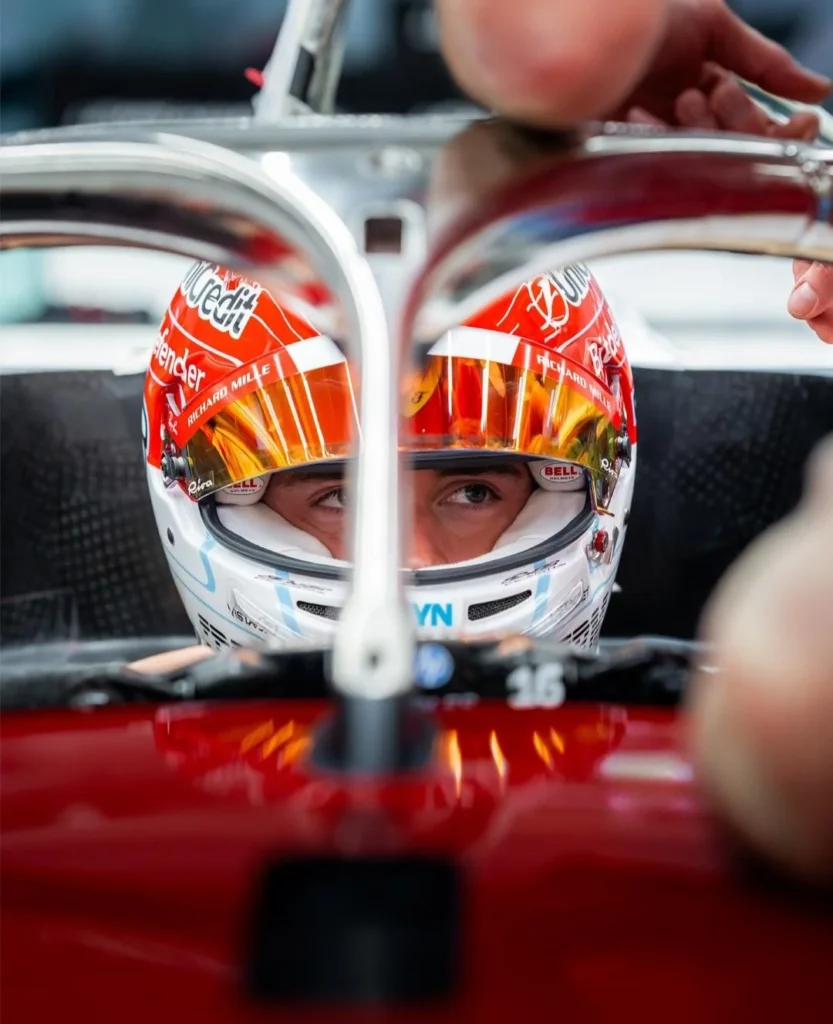
Ferrari’s glossy livery tease sparked excitement, confusion, and nostalgia in equal measure. Was the halo chrome? Exposed titanium? Just lighting? The speculation quickly widened into a broader verdict on the matte era itself.
While matte finishes had their moment, particularly early Red Bull iterations, many now see them as cost-driven aesthetics that stripped character from cars like Ferrari and Williams. The frustration wasn’t with carbon fiber as a material, but with carbon as a default look. What fans were really asking for was simple: color, contrast, and broadcast clarity matter.
Audi’s First F1 Livery and the Surprise That Wasn’t
The backlash to Audi’s debut livery followed a familiar pattern: outrage first, context later. For some, the design felt underwhelming. For others, the reaction itself was baffling.
The livery closely aligns with Audi’s endurance-racing heritage, particularly its Le Mans machinery. The criticism wasn’t really about authenticity, it was about cohesion. Where historic Audi prototypes blended red, grey, and black with flow, the F1 car reads more segmented to some eyes. Whether that’s dull or disciplined is subjective. Treating it as a scandal is not.
Twenty Years of Lewis Hamilton, and the Benefit of Distance
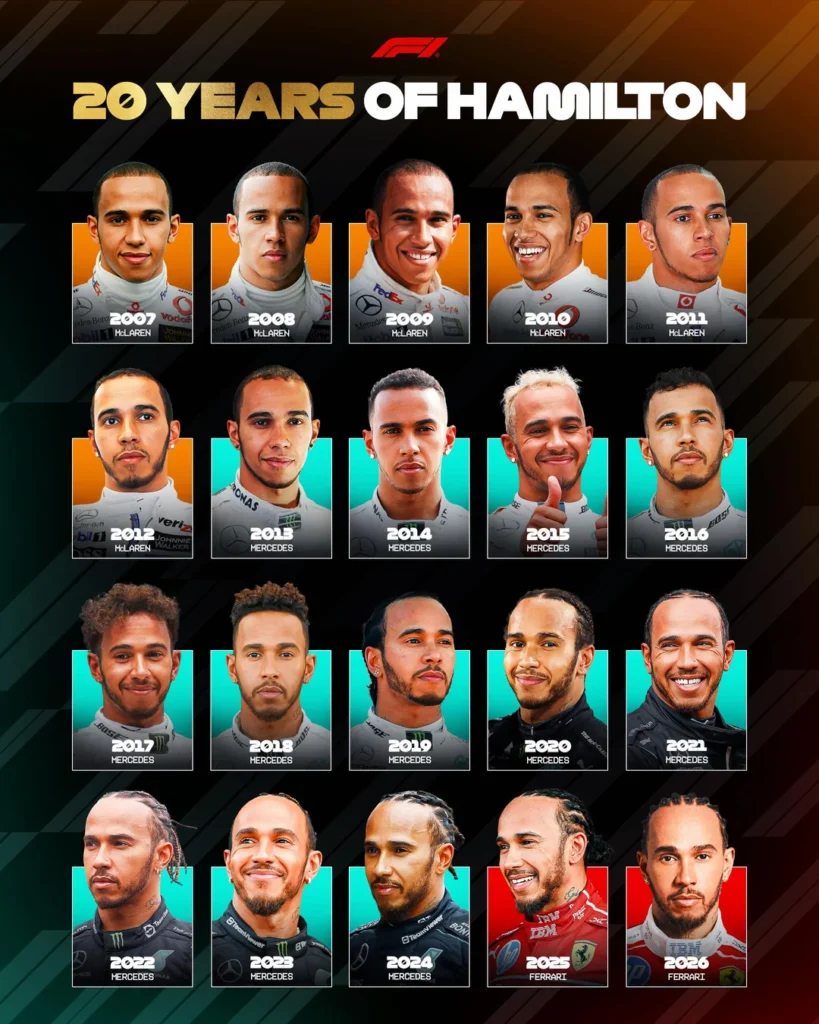
The 20-year milestone of Lewis Hamilton prompted equal parts humor and reflection, from the bleached-blonde era to rigid McLaren grooming rules, to early race memories and Silverstone 2020.
A familiar emotional arc emerged: early admiration, dominance fatigue, and eventual appreciation. Hamilton isn’t just someone fans remember watching; for many, he’s become part of Formula 1’s internal timeline, one of the constants against which eras are measured.
Drive to Survive and the Cost of Manufactured Drama
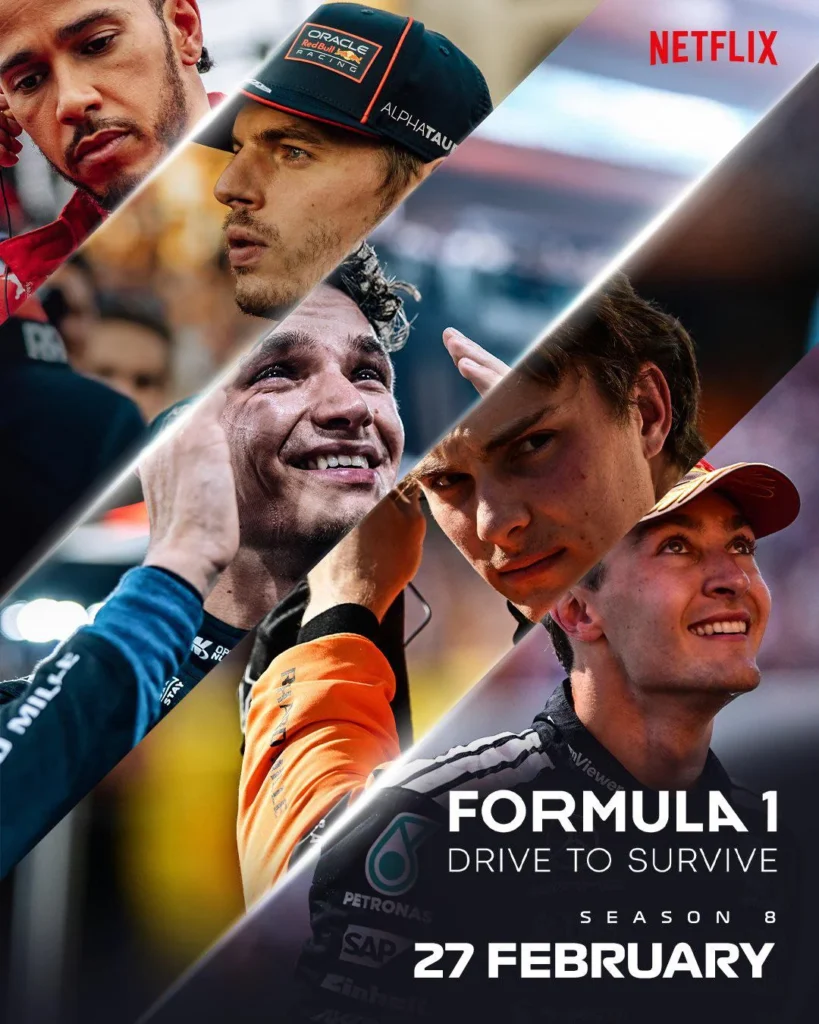
That growing media literacy explains the mixed anticipation for Formula 1: Drive to Survive Season 8.
Fans know what the show is, and what it isn’t. It’s hype fuel, not historical record. Some seasons leaned too hard into manufactured rivalries; others quietly improved by letting drivers tell their own stories. Expectations now aren’t about accuracy so much as restraint: will Netflix amplify real drama, or invent safer substitutes?
Private Testing, Public Speculation
The decision to keep early Barcelona testing largely private reopened a familiar debate. Some see secrecy driven by fear of early bad PR, especially under new engine regulations. Others view it as basic operational sense, finding problems without distraction.
Either way, leaks are inevitable. Grainy photos and second-hand rumors don’t reduce speculation; they intensify it. Narrative control is hardest precisely when it’s most desired.
A Passat, Black Ice, and the Reality of Filming Days
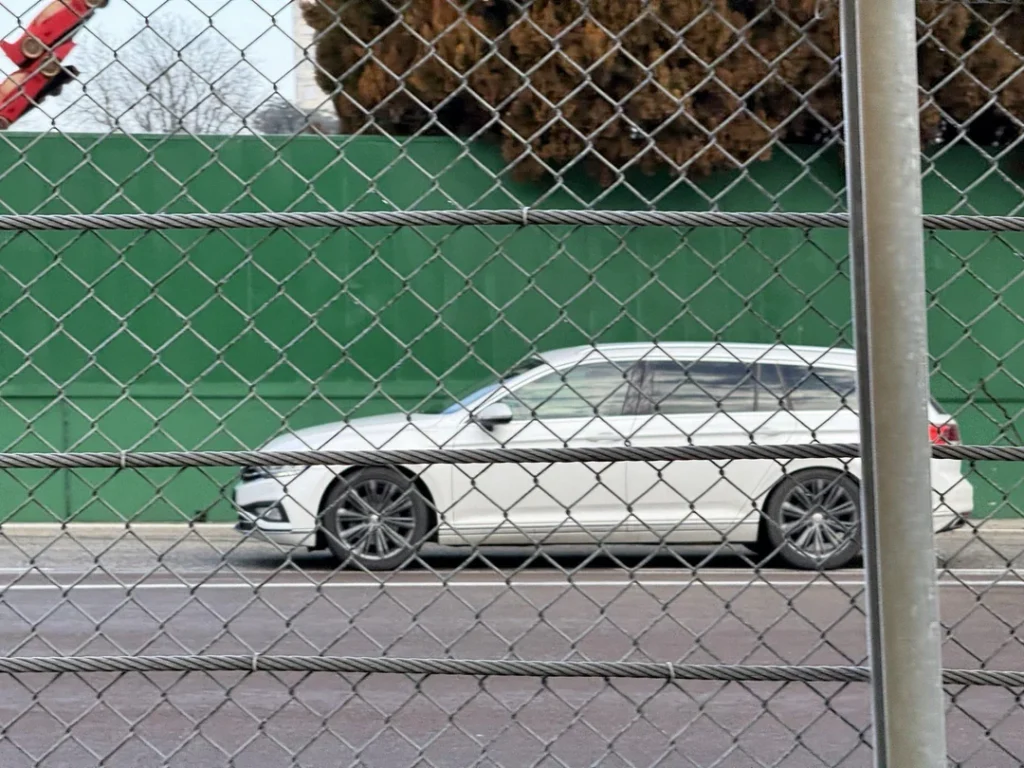
Nothing captured off-season absurdity better than VCARB using a Volkswagen Passat to check icy conditions at Imola before a filming day.
The image became instant comedy, but the logic was straightforward. Filming tyres are unrepresentative, mileage is limited, and discovering black ice the hard way helps no one, especially rookies. Even so, a mundane safety check briefly morphed into commentary on driver talent, testing value, and modern car pricing.
Creators, Not Logos: Why P1’s Win Matters
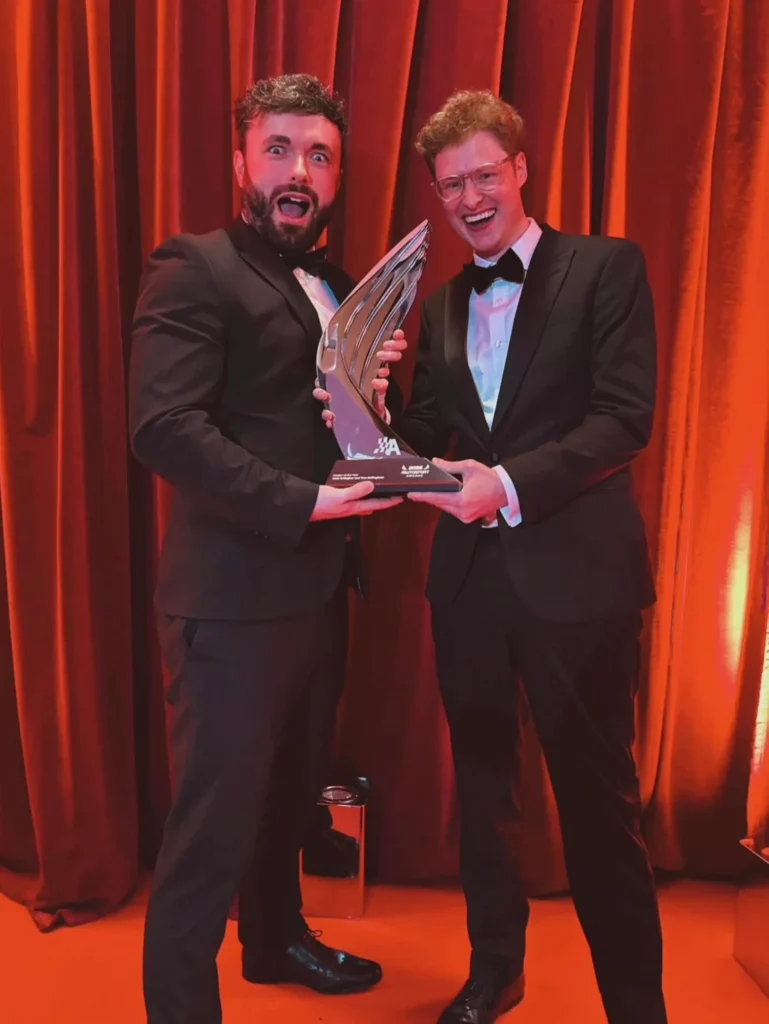
Matt and Tommy winning Creator of the Year at the Autosport Awards felt like the clearest signal of the off-season. Their post-WTF1 rise reinforced a lesson media keeps relearning: audiences follow people, not brands.
The migration to P1 was immediate and communal. In a sport increasingly shaped by podcasts, creators, and personality-led coverage, that shift matters as much as any regulation change.
The Off-Season Amplifier Effect
The off-season always magnifies small signals, but this one has been especially revealing. Friendships mistaken for feuds. Liveries treated like moral failures. Testing procedures read as conspiracies.
The pattern is consistent: narratives expand to fill the vacuum. And Formula 1, more than ever, lives in that vacuum, waiting for engines to fire, while everyone else argues about the sound.