

Pre-season running for the 2026 Formula 1 cars has delivered exactly what it always does: incidents, speculation, gallows humor, and just enough real information to fuel arguments in every direction. From Isack Hadjar’s early crash and the reaction it triggered, to Williams’ disrupted build timeline, to cautious optimism around the new regulations, the tone of the paddock and the fanbase is already sharply divided.
Hadjar’s Crash, the “Small Off,” and Red Bull’s Second-Seat Reality
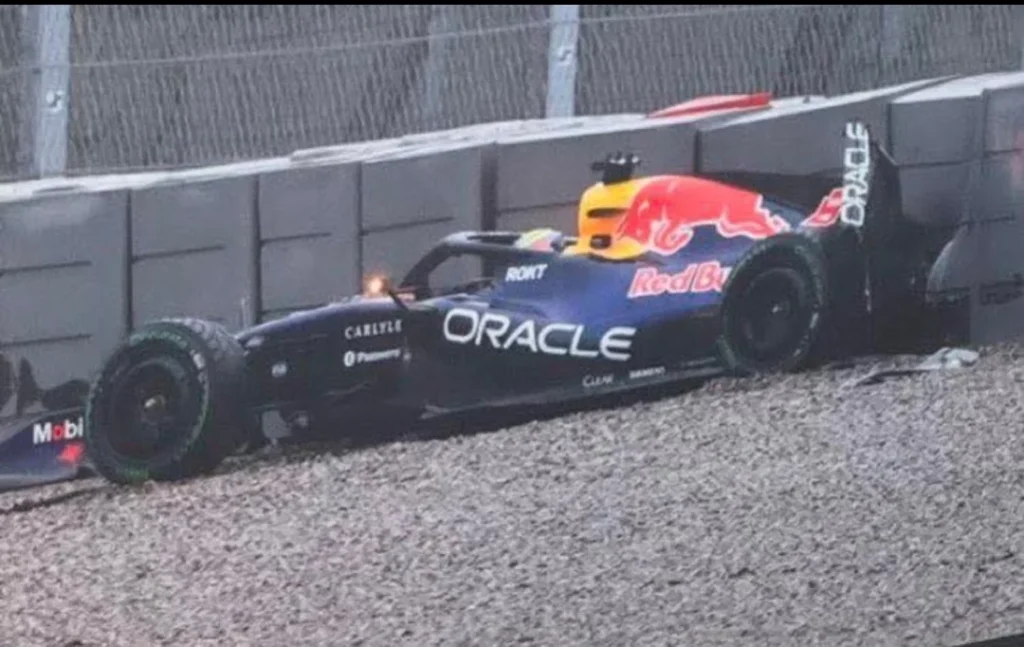
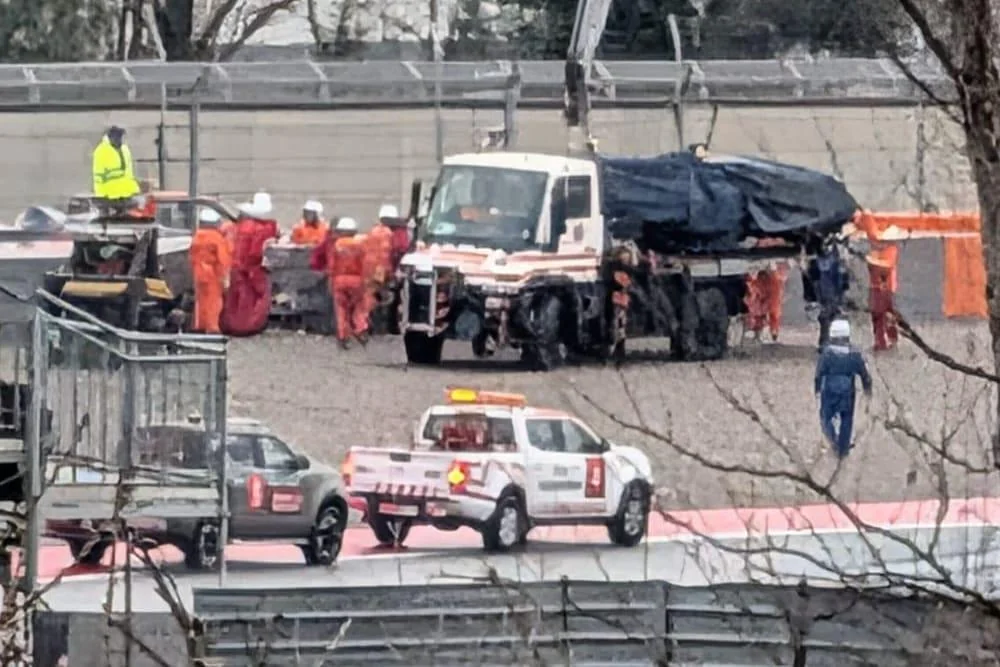
Isack Hadjar’s impact at Turn 14 immediately became more than just a testing incident. Official language described it as a “small off,” a phrase that was quickly treated as euphemistic given the visible rear-end damage and uncertainty around Red Bull’s next running window.
Comments ranged from technical concern, possible suspension, gearbox, or rear-wing damage, to broader reflection on Red Bull’s long-standing second-seat problem. Some pointed out that even across regulation changes, Red Bull’s development philosophy has historically produced cars that are difficult to drive at the limit. Others emphasized context: a brand-new car, limited running, and uncertainty over whether the crash was driver- or car-induced.
There was also a noticeable shift in tone compared to past Red Bull juniors. With no Horner or Marko looming publicly, expectations appear lower, and several voices argued that Hadjar is being afforded more grace than Lawson, Yuki, or Checo ever received. Comparisons to Verstappen’s own crash-prone early years surfaced repeatedly, alongside reminders that testing incidents do not define a season.
Williams: Virtual Launches, Rumors, and Competing Narratives
Williams’ decision to convert its February 3rd physical livery launch into a virtual event became a lightning rod. Early rumors focused on failed crash tests or a severely overweight chassis, spawning jokes about boats, planes, IKEA manuals, and Excel-driven chaos.
Later reporting directly pushed back on those claims, stating the chassis had passed all relevant stress and crash tests and that overweight rumors were “wide of the mark.” That clarification did little to end debate. The absence from Barcelona testing remained the core issue, with many arguing that even if the obvious explanations were false, something had clearly gone wrong.
More measured takes suggested strategic trade-offs: choosing not to “bodge” a car together for a shakedown, delaying manufacturing decisions, or reallocating resources to the factory rather than the track. Comparisons to Cadillac highlighted how different priorities shape outcomes, visibility and validation versus aggressive performance development. Worst-case scenarios were openly framed as 2026 becoming a development year for 2027.
What the New Cars Feel Like: Faster Straights, Slower Corners
Driver feedback on the 2026 cars converged around a few recurring themes: higher straight-line acceleration, lower cornering speeds, and greater predictability. Many welcomed this balance, arguing it could produce cleaner, more decisive racing with heavier braking zones and longer opportunities to attack.
Discussion quickly turned technical. Reduced drag, active aero, constant straight-line modes, and overtake deployment were all debated alongside concerns about energy management, battery clipping, and lift-and-coast behavior. Some saw parallels with Formula E and IndyCar, while others worried about weakened slipstream effects and energy-limited battles.
Despite disagreements, optimism dominated. Reduced dirty air, more predictable handling, and cars that reward commitment under braking were widely viewed as steps in the right direction, even if execution remains an open question.
Barcelona Numbers, Overreaction, and “Shakedown Mode”
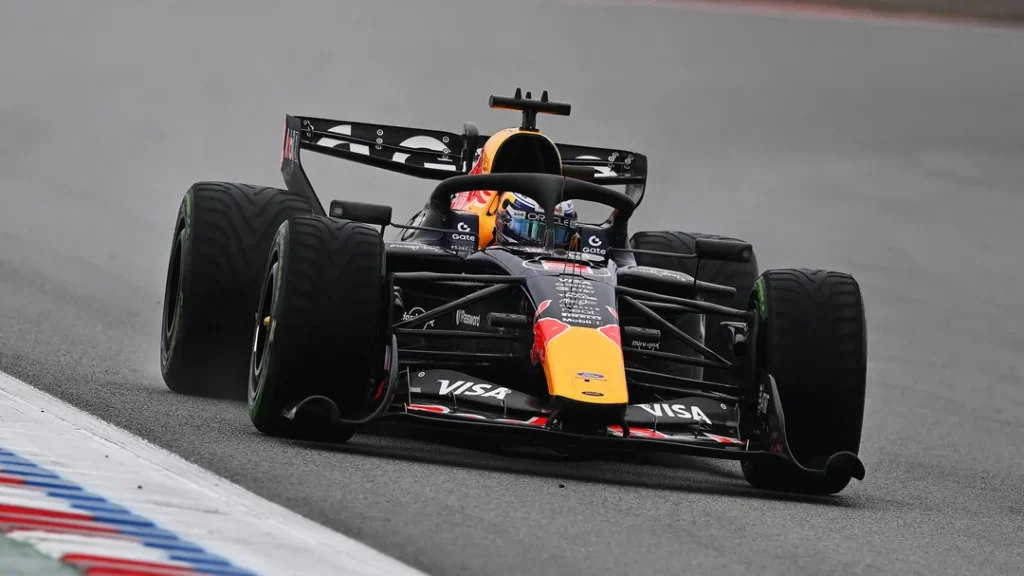
Lap times and counts from Barcelona testing immediately triggered familiar reactions. Ferrari’s 120 laps were labeled a solid start given conditions. Red Bull’s running drew scrutiny due to Hadjar’s crash and Verstappen completing only 27 laps on day two, though it was noted that differing programs and aero tests distort simple comparisons.
Aggregate figures by team and engine supplier fueled reliability debates, quickly followed by reminders that this was a shakedown, conducted in cold and wet conditions, with no push laps and heavy energy saving. The phrase “ShakedownOverreaction2026” summed up the mood as sarcastic predictions of championships, retirements, and total collapses flooded in simultaneously.
Mercedes and the Simulator Question, Again
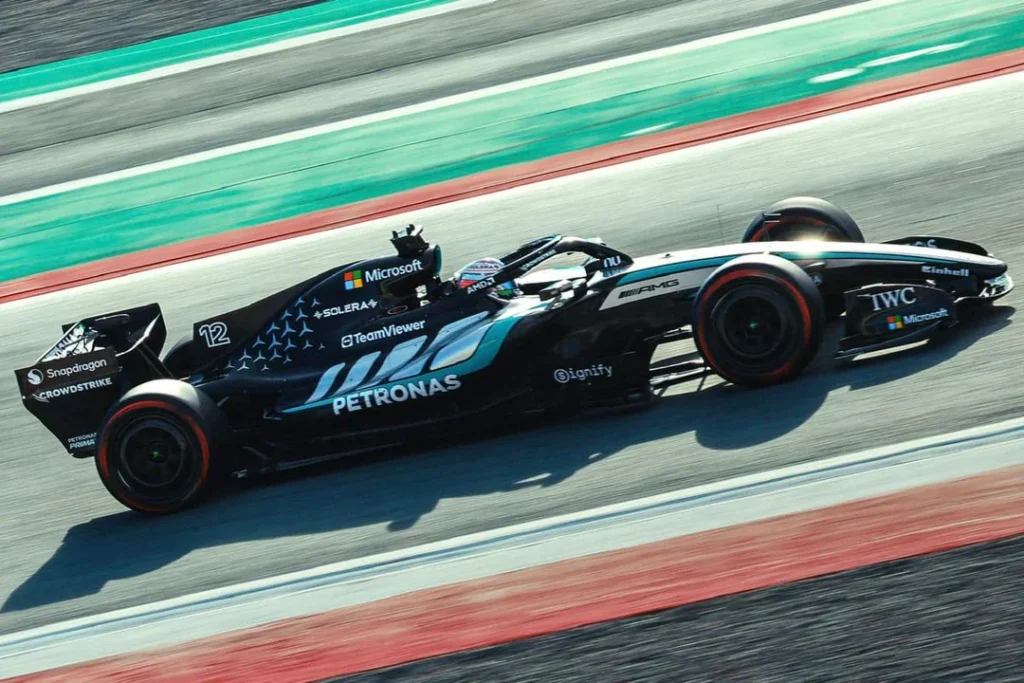
Mercedes’ early feedback introduced a familiar theme: correlation. Trackside impressions reportedly feel better than simulator predictions, prompting candid admissions that something isn’t lining up yet. For some, that honesty was encouraging; for others, it echoed unresolved issues from the ground-effect era.
Debate quickly broadened into a reassessment of Mercedes’ recent seasons, whether they were ever truly a top-two car, how much Lewis Hamilton carried results through consistency, and how often performance peaks were repeatable. Opinions diverged sharply, but most agreed on one thing: unpredictability was the defining weakness, and early signs of improved drivability are being cautiously welcomed.
The Only Certainty: It’s Too Early
Across every topic, Hadjar’s crash, Williams’ absence, Ferrari’s mileage, Mercedes’ correlation, and the new regulations, the same conclusion surfaced repeatedly. None of this meaningfully answers how the grid will look in Melbourne.
Testing has delivered laughs, concern, optimism, and frustration in equal measure. Real answers will come later. For now, all anyone truly knows is that the cars are different, the narratives are already forming, and Formula 1 hasn’t lost its ability to overanalyze every lap before it matters.