

The early 2026 narrative cycle is already taking shape, and it’s doing so in classic Formula 1 fashion: a mix of corporate optics, technical rumor warfare, and obsessive scrutiny of the first real cars to hit the track. From Cadillac’s eyebrow-raising AI partnership announcement, to a sprawling and largely speculative engine controversy, to Williams finally putting an actual car on asphalt, the off-season noise says as much about the sport as the machinery itself.
Cadillac, TWG AI, and the Art of Sponsoring Yourself
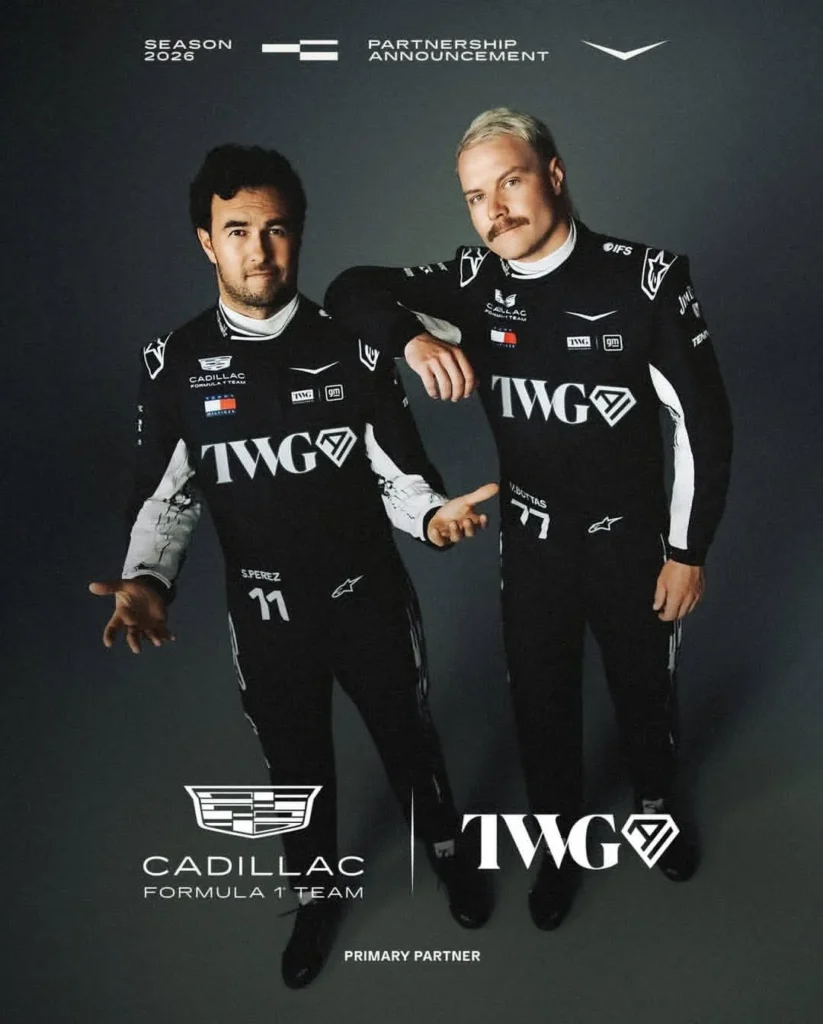
Cadillac’s announcement of “TWG AI” as the team’s official AI partner immediately triggered a familiar F1 reaction: skepticism, sarcasm, and a quick pivot to corporate structure. The humor writes itself, an AI being asked how to make the car faster, jokes about scraped Ferrari data, steering wheels turning into yokes, and sidepods being deleted entirely, but underneath the jokes is a simple reality. TWG isn’t an external sponsor in the traditional sense; it is the ownership structure behind the Cadillac F1 project.
This makes the partnership less about technological revelation and more about internal branding. TWG already owns the team, still owns the team, and now effectively sponsors the team as well. The comparison to other TWG holdings, like the LA Dodgers, reinforces that this is a conglomerate normalizing its footprint rather than unveiling a breakthrough. The announcement reads less like a competitive milestone and more like corporate housekeeping, a reminder of who is actually funding and controlling Cadillac’s F1 entry.
The Compression Ratio War That May Not Exist
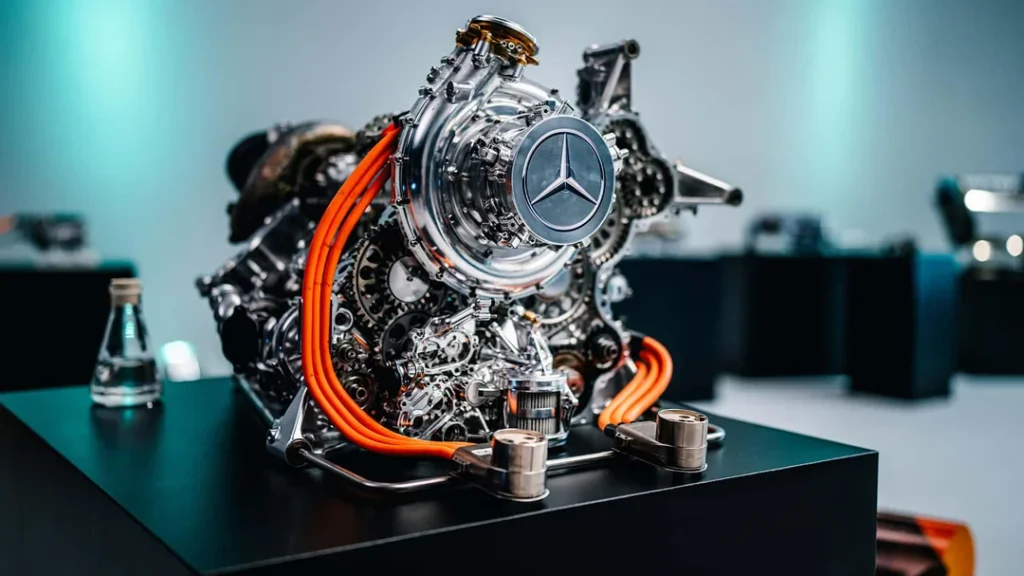
If Cadillac’s news prompted jokes, the latest engine discourse prompted something closer to fatigue. The discussion around compression ratios, testing procedures, and alleged loopholes has ballooned into a full-blown rumor ecosystem, largely driven by paddock speculation rather than evidence.
At the center is the idea that teams, Mercedes most prominently, have found ways to achieve higher effective compression ratios under operating conditions while remaining compliant during static testing. The most controversial theory involves an additional microscopic volume connected to the combustion chamber that behaves differently under heat and pressure, effectively altering compression only when the engine is running.
Even within the discussion itself, that theory is repeatedly undermined. It’s acknowledged that such a solution would almost certainly be illegal, easily identifiable in scrutineering, and already flagged by the FIA as unacceptable. Multiple commenters emphasize that Mercedes has worked with the FIA throughout development, sought clarification rather than approval for specific “tricks,” and received confirmation, repeatedly, that their engine complies with the regulations as written.
What emerges instead is a more mundane explanation: all engines experience changes in effective compression under load, and the real differentiator is how far teams have been able to exploit material science, thermal expansion, and tolerances without introducing artificial volumes or test-specific mechanisms. In other words, organic engineering rather than mechanical sleight of hand.
The broader pattern is familiar. Rumors surface, rivals apply pressure through media narratives, and fans fill in the gaps with Ferrari-2019 comparisons whether or not they actually apply. The irony is that much of this discourse ignores a basic truth: Formula 1 has always rewarded those who push regulations to their limits. If teams weren’t aggressively interpreting the rules, they wouldn’t be doing their jobs. When tests fail to capture real operating conditions, the inevitable outcome is either a regulation rewrite or louder arguments, not retroactive moral judgments.
Williams Finally Has a Car, and That Matters
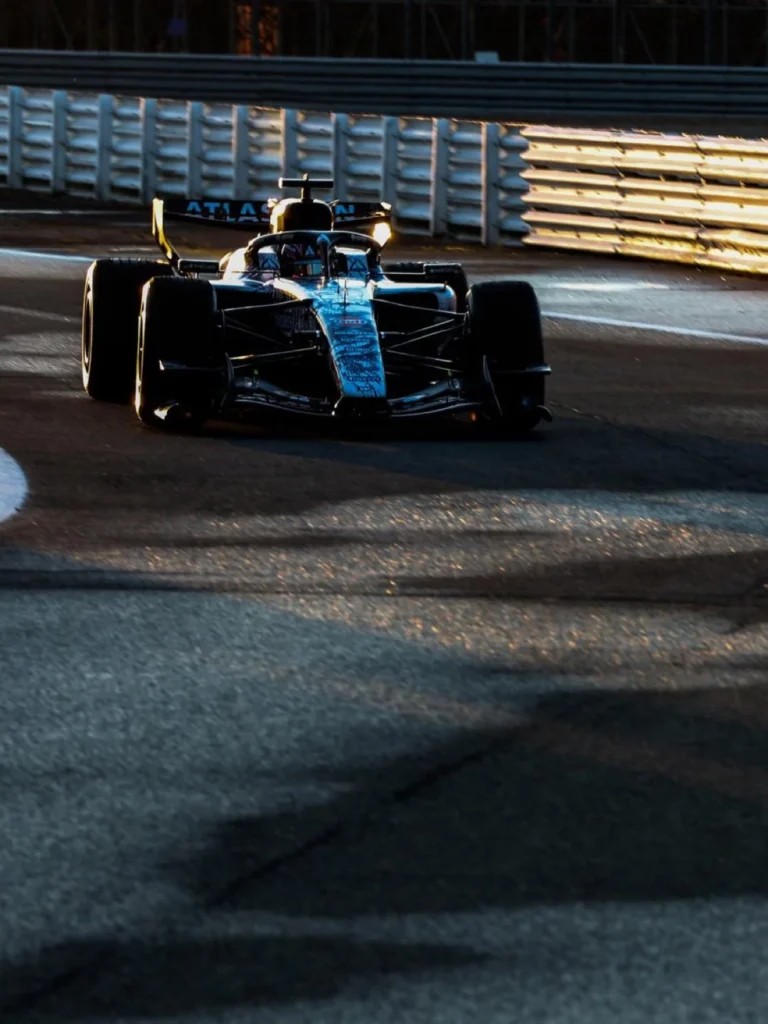
Against that backdrop of abstractions, Williams did something refreshingly concrete: they ran a car. The FW48 completed a shakedown at Silverstone, marking a tangible step forward after a long period dominated by renders, announcements, and speculation.
The testing livery immediately became its own subplot. Originally billed as a Barcelona shakedown design, questions arose about whether it would be reused in Bahrain, modified due to new sponsorship arrangements, or reserved for a future one-off appearance. The presence of Barclays branding and the apparent absence of MyProtein suggest the livery has already evolved behind the scenes, reinforcing that these early runs are as much logistical exercises as technical ones.
Technically, attention quickly turned to the front suspension. Williams is running a pullrod setup at the front and pushrod at the rear, aligning them with Alpine and Cadillac in concept. That alignment sparked predictable skepticism, quickly followed by a reminder that suspension architecture alone doesn’t define competitiveness. Push and pullrod systems have both produced winning and losing cars depending on how they’re integrated into the broader aerodynamic concept.
What stood out more than the choice itself was the execution. The mounting points appear higher and more aggressively angled than some rivals, with observers noting similarities to McLaren’s recent solutions rather than a wholesale leap into radical territory. This isn’t a revolution; it’s a deliberate, modern interpretation of an established approach.
Perhaps most importantly, the car exists. It ran. It was visible. It no longer lives exclusively in render form. In a field where development timelines, budget constraints, and regulatory resets loom large, simply reaching this stage without drama is meaningful progress.
The Pattern Beneath the Noise
Taken together, these three storylines underline a recurring theme. Early F1 narratives are rarely about lap times. They’re about optics, trust, and positioning. Cadillac is establishing corporate legitimacy. Engine rumors are being used to test regulatory boundaries and public opinion. Williams is re-asserting physical presence after years of playing catch-up.
The off-season always amplifies speculation, but beneath the jokes, conspiracies, and heated arguments lies the same reality that has defined Formula 1 for decades: engineering interpretation wins races, regulation clarity follows success, and the loudest debates usually arrive long before the first meaningful data point does.