

Before a single competitive lap of 2026 has been run, Formula 1 feels like it’s teetering between technological masterstroke and full-blown chaos.
Max Verstappen labeled the incoming rules a potential “disaster.” Other drivers have admitted the cars are less enjoyable to drive. Meanwhile, testing has turned into a political sandstorm, with every top team accusing the others of hiding pace. Add in an engine compression controversy, turbo start procedures that feel straight out of Mario Kart, Aston Martin déjà vu with Honda, and solid wheels that look more road car than race car, and the paddock is bracing for something unprecedented.
Whether it’s revolution or trainwreck, 2026 is already dividing the sport.
“Maybe We’ll Brake Halfway Down the Straight”
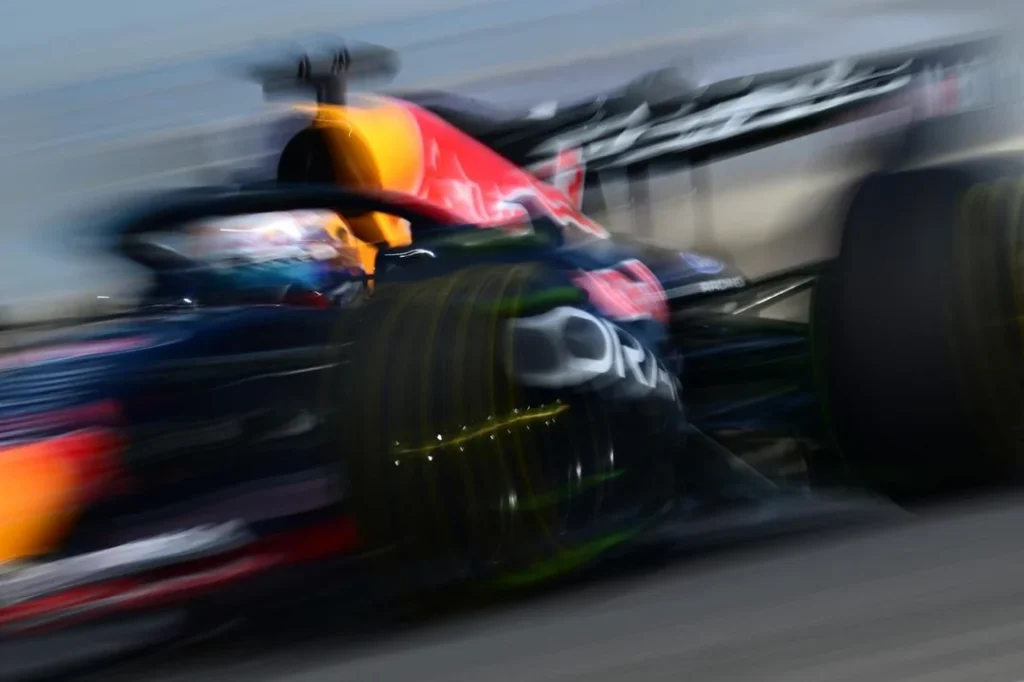
The central fear surrounding the 2026 regulations is simple: Formula 1 may be about to prioritize battery management over racing.
The anxiety isn’t just about lap times. Active aero could still make the cars quick in a straight line. The concern is how they achieve it. If drivers must harvest aggressively through high-speed corners just to deploy energy down the straight, then the very DNA of F1 changes. Corners like Jeddah’s sweepers or Silverstone’s high-speed complex becoming lift-and-coast zones would feel fundamentally wrong.
The scenario many are imagining borders on absurdity: braking early not to overtake, but to recharge. A vicious cycle where reduced entry speed limits regeneration, which limits deployment, which forces more lifting. Monza’s long runs from Ascari to Turn 1? Potentially battery-starved. Suzuka and Australia? Vulnerable to energy compromise. Spa and Baku? Anxiety territory.
Some predict chaotic back-and-forth battles where one driver sacrifices regen to attack, only to be re-passed once their rival deploys superior stored energy on exit. Others are less optimistic: if overtaking remains difficult and everything becomes energy clipping, then what exactly are we watching?
There is also a growing perception that multiple world champions have been more vocal than others, perhaps because they can afford to be. The concern isn’t just about drivability; it’s about spectacle.
And yet, history offers perspective. Drivers have predicted catastrophe before. Villeneuve hated grooved tires. Team bosses once warned races wouldn’t finish under previous rule shifts. The sport has survived, and sometimes thrived, through upheaval.
Still, for many fans, this feels different. An entire regulation cycle built around a philosophy that could redefine racing itself.
The Turbo Spool Meme Era
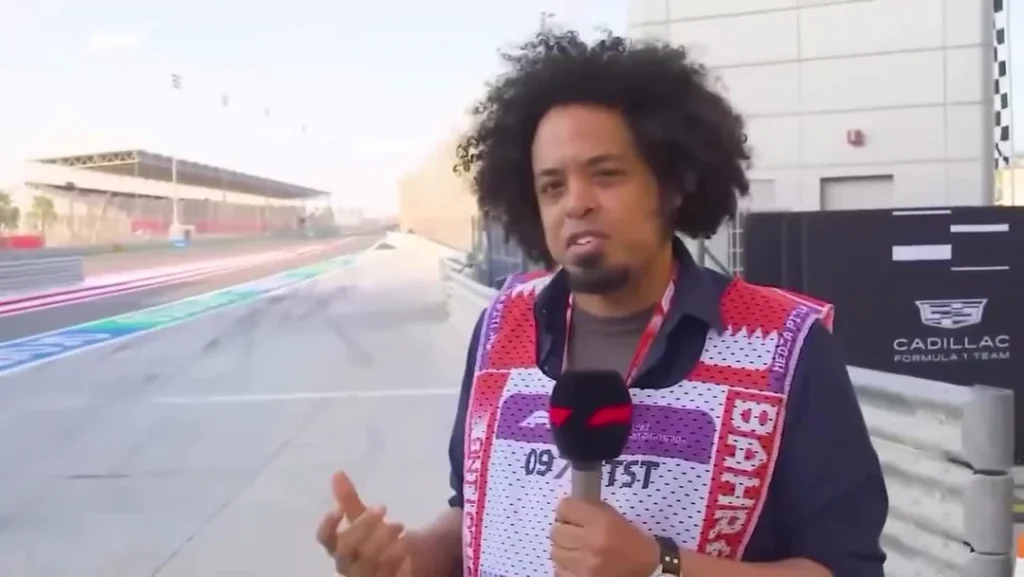
If the energy debate wasn’t enough, the new starting procedure has provided unintentional comedy.
Without electronically-assisted turbos, engines now require spooling before launch. That means revving to get exhaust flow high enough to eliminate lag. The visual? Cars sitting on the grid, engines climbing, waiting. Some fans joked about Mario Kart boosts. Others imagined extended pauses after lights out: “…and… away we… no wait…”
It’s less about charging while stationary and more about bringing the turbo into operating range under low load—an exhaust flow problem rather than an RPM one. The physics are real. The optics are… unusual.
What makes it fascinating is that fans are watching, in real time, how rules become hyper-specific. New regulations inevitably create loopholes, and every loophole triggers interpretation wars.
In a sense, 2026 is teaching everyone why F1 rulebooks become so intricate.
Meritocracy or Loophole?
The compression ratio row has become the philosophical battleground of pre-season.
Is the rule the rule, or is the test the rule?
If the regulation states 16:1 measured at ambient temperature, and a team designs an engine that complies at ambient but behaves differently under operating conditions, is that innovation or circumvention? Some argue exploiting the written definition is a core tenet of Formula 1. Others insist that if compliance can’t be enforced meaningfully, the rule itself is flawed.
This debate is as old as the sport. Water-cooled brakes. Ground effect sealing. DAS. Ferrari’s controversial 2019 power unit. Flexi floors. The Brabham fan car. Grey areas emerge, are exploited, and eventually closed.
And yet, the timing matters. Changing tests mid-cycle has precedent, but doing so before a season even starts, amid whispers of dominance, would carry political weight.
The fear for some is 2014 all over again: early engine supremacy defining an era before rivals can react.
Aston Martin and the Honda Echo
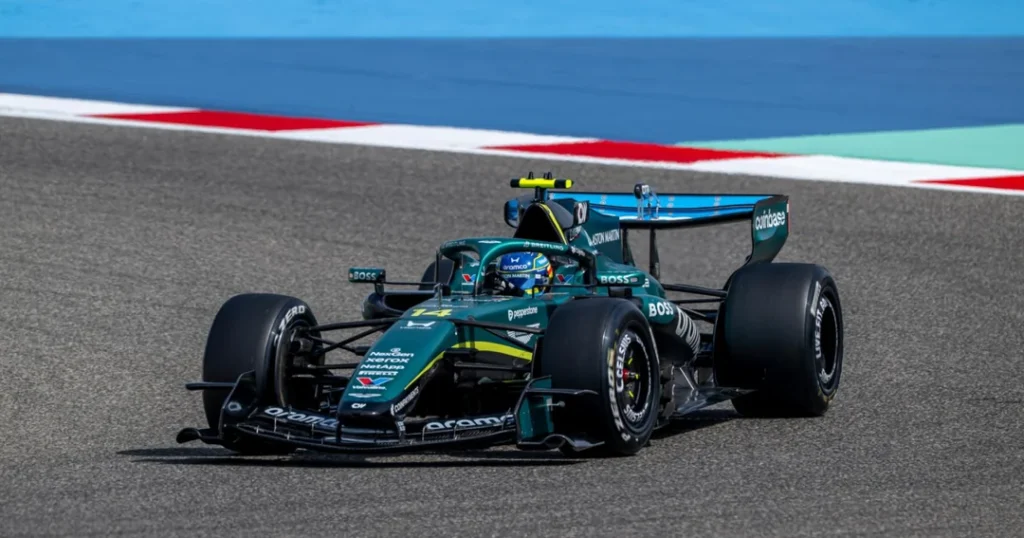
If there is one team that testing consensus seems comfortable judging harshly, it is Aston Martin.
Reports of tension between Lawrence Stroll and Honda, claims of cultural misalignment, concerns that meaningful results may only arrive in the second half of the season, none of it inspires confidence. Add speculation about significant excess weight and internal restructuring, and the narrative writes itself.
The phrase “Welcome back McHonda” has re-emerged.
The comparison to 2015 is unavoidable: packaging demands, development lag, partnership growing pains. Red Bull’s gradual integration with Honda through Toro Rosso is now held up as the blueprint Aston may have skipped.
It is not just performance; it is perception. Senior staff turnover. Delayed tunnel programs. Questions around simulation tools. If 2026 was the grand target, the fear is that the slingshot has misfired.
Whether this is temporary turbulence or systemic instability remains to be seen. But for now, testing suggests Aston is not sandbagging, they’re simply struggling.
Sandbagging Season

If one word defines Bahrain testing, it’s sandbagging.
Ferrari, Mercedes, Red Bull, McLaren, each has been accused of hiding pace. Testing speeds vary wildly. Top speeds appear once and vanish. Race simulations tell one story; single-lap times another.
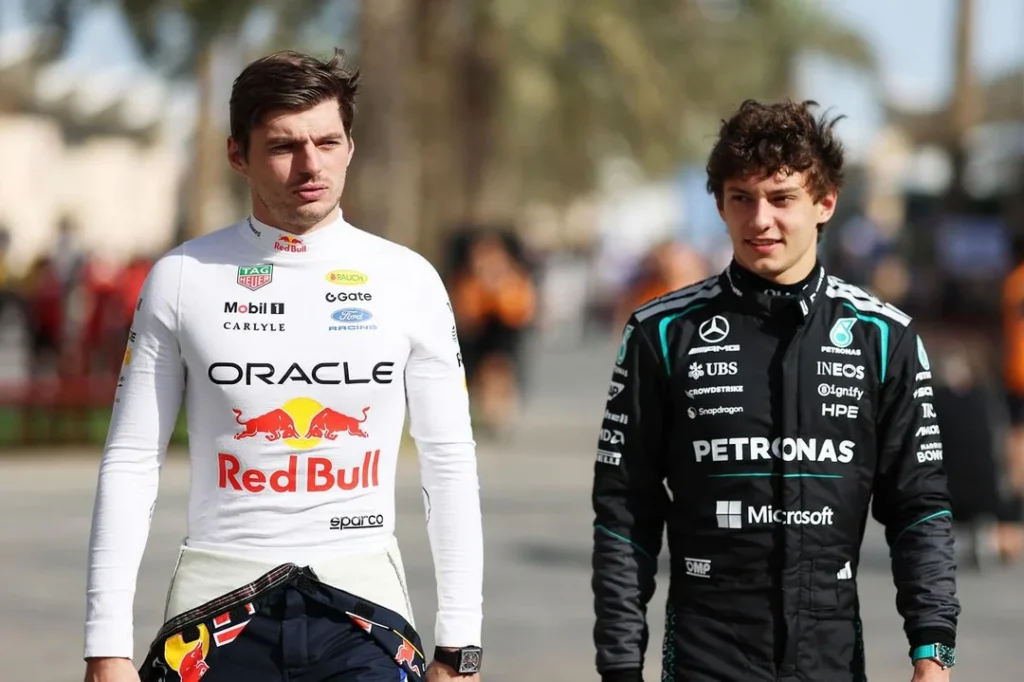
Mercedes, in particular, sits at the center. If their engine is truly exceptional, and politically sensitive, there is logic in avoiding attention before Melbourne. But sandbagging is not simple. Lowering power sacrifices valuable data. Political theatre must be weighed against development priorities.
Red Bull’s aggressive downshifts drew scrutiny. Copycats struggled with rear stability. Was that innovation, driver adaptation, or simply different test programs?
Ultimately, the paddock has become the Spider-Man meme: everyone pointing at everyone else.
The only consensus? Aston isn’t hiding anything.
Solid Wheels, Road Car Relevancy
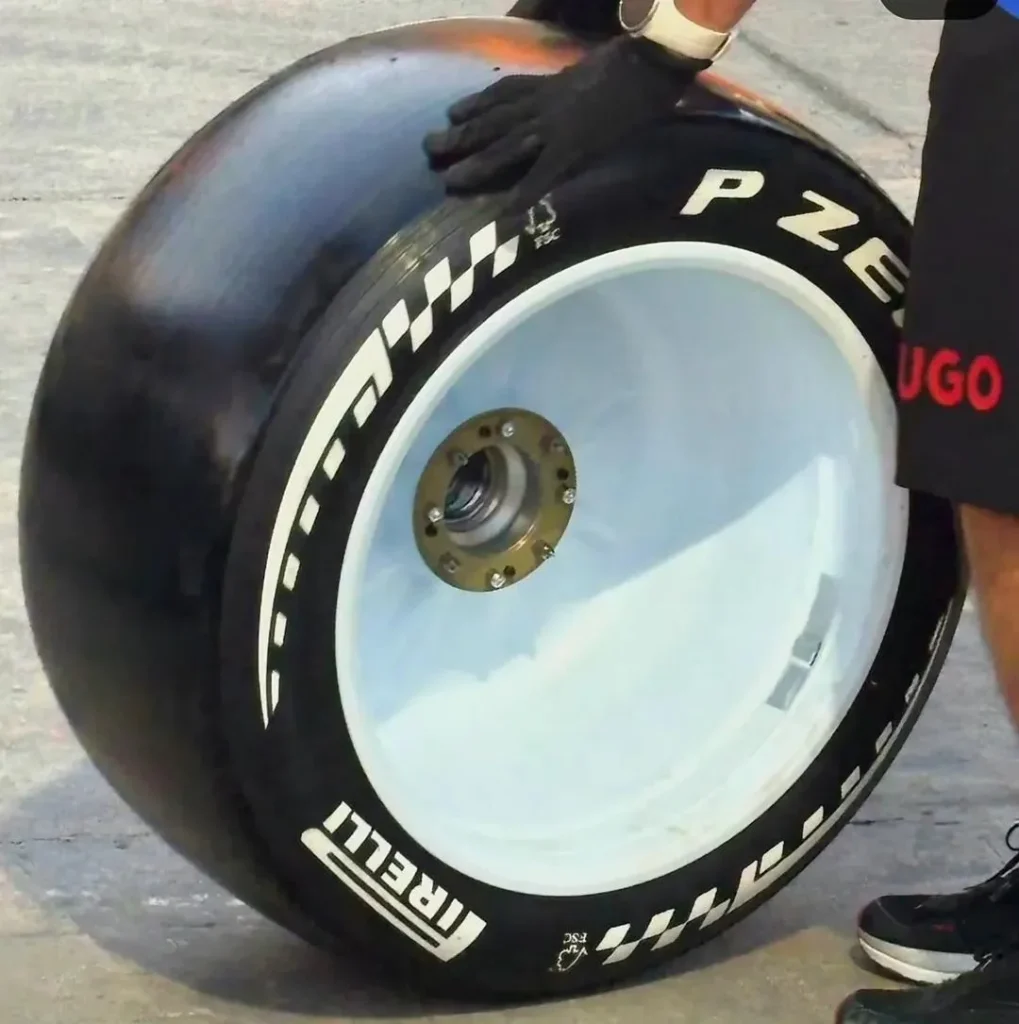
Amid all this, Red Bull’s solid forged magnesium wheels sparked technical fascination.
With no air exiting outward, spokes serve little purpose. Solid designs reduce drag, channel airflow inward, and align with regulations pushing wake upward rather than outward. Unsprung mass concerns exist, but clever structuring can offset weight differences.
The visual shock of seeing what looks like normal wheel weights taped in place, just like a road car, has fueled both jokes and genuine curiosity. Sometimes, even in F1, tape is just tape.
Brake cooling concerns? Mitigated by heavier reliance on regen and reduced downforce. Less peak force. Smaller discs. Different heat profiles.
It’s another example of how 2026 isn’t just an engine shift, it’s a holistic aerodynamic rethink.
Wins, Legacy, and Perspective
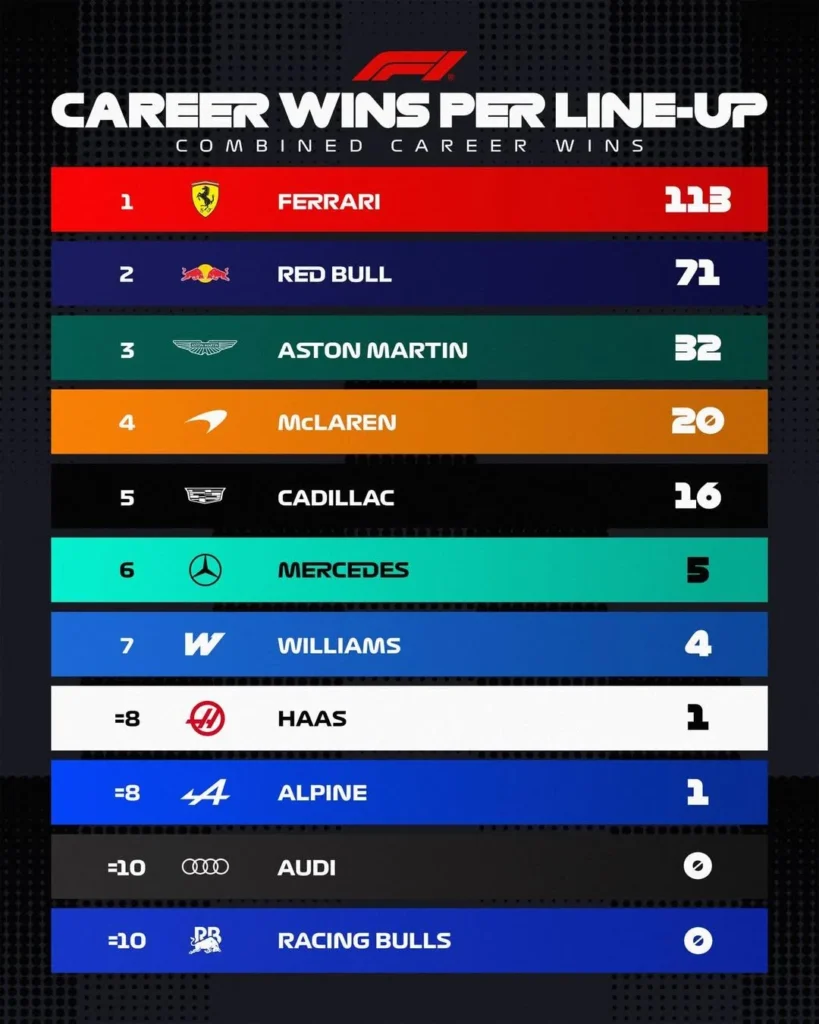
A reminder of context came from examining combined driver line-up wins:
- Ferrari: 113
- Red Bull: 71
- Aston Martin: 32
- McLaren: 20
- Cadillac: 16
- Mercedes: 5
The top three are untouchable regardless of pairing combinations. Remove second drivers entirely and the order barely changes.
It highlights something essential: generational outliers define eras. Two freak talents, one enduring veteran, and everyone else chasing.
And that reality matters when evaluating 2026 fears. Even in flawed machinery, great drivers adapt. Even in controversial eras, legacies are forged.
Chaos or Correction?
Some believe if 2026 truly becomes a “shitshow,” it will only last a season. The financial and reputational stakes are too high for prolonged damage. Others argue rewriting regulations mid-cycle is far harder than fans assume.
There is even a perverse optimism: if it’s disastrous, it may be unforgettable, like 2005 Indianapolis, but over an entire regulation cycle.
For now, the mood oscillates between dread and curiosity.
Maybe races become Monaco-style processions.
Maybe energy yo-yo battles create new tactical layers.
Maybe Mercedes has a rocketship.
Maybe everyone is sandbagging.
Or maybe Melbourne will answer everything in a single weekend.
Until then, F1 exists in its most natural state: brilliant, political, paranoid—and completely unsure of what it has built.