

Formula 1’s early-season narrative is rapidly fragmenting into three distinct battlegrounds: driver market speculation, technical scrutiny, and performance uncertainty. Across all three, one constant remains—Mercedes sits at the center, whether by dominance, innovation, or controversy.
Verstappen to Mercedes? Speculation or Inevitability
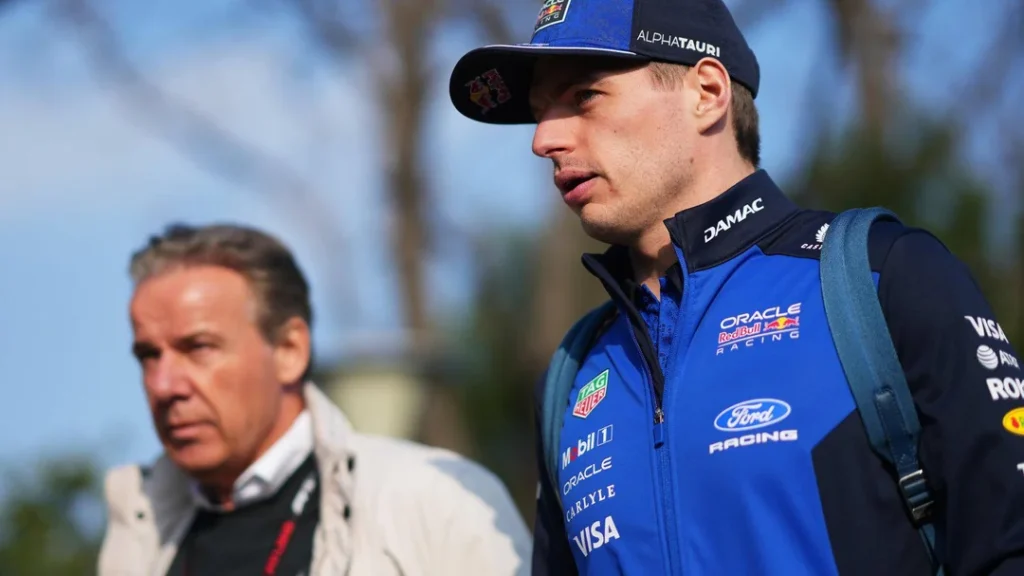
The latest wave of paddock chatter suggests talks between Max Verstappen and Mercedes are not just possible—they are “going to happen.” But the reaction isn’t excitement as much as exhaustion.
There’s already a sense that this storyline will dominate every break in the calendar, with expectations of relentless speculation cycles if Red Bull fails to close the gap. The idea itself, however, splits opinion.
On one side, Verstappen is viewed as a generational outlier—the kind of driver a top team simply does not turn down. In equal machinery, many still see him as the clear benchmark across the grid, and in a future where performance converges, that edge becomes even more valuable.
On the other, there’s a strong defense of George Russell—not as a placeholder, but as a proven, consistent front-runner who has effectively “paid his dues.” The argument is pragmatic: why replace a significantly cheaper, already successful driver who may deliver a championship this season?
This tension reveals the core dilemma—do you optimize stability, or chase ceiling?
Overlaying this is the financial and branding argument. Verstappen isn’t just a driver; he’s an asset. The belief that his commercial impact alone could justify his salary—and potentially secure multiple championships—adds another layer of inevitability to the discussion.
Ultimately, the speculation feels less like a question of if and more like when the conditions align.
Mercedes’ “Two-Phase” Wing Sparks Technical Scrutiny
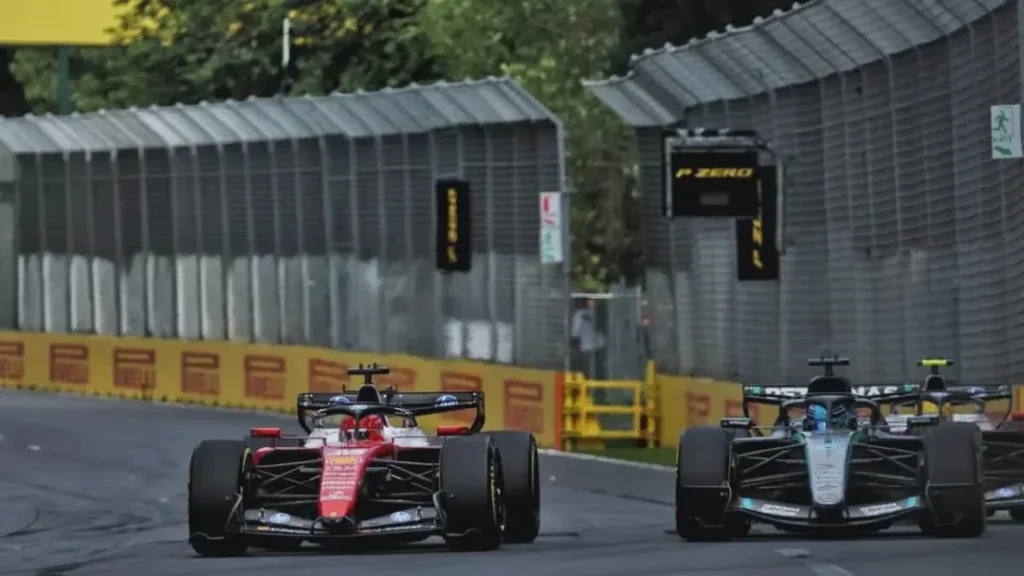
If Mercedes dominates the narrative off-track, its innovation is doing the same on it.
Ferrari’s request for FIA clarification over Mercedes’ “two-phase” wing has ignited a familiar cycle: intrigue, suspicion, and preemptive replication. The immediate assumption is straightforward—if it’s legal, it will be copied.
But beneath that lies a deeper skepticism.
Much of the debate centers on whether the design exploits testing procedures rather than outright breaking regulations. Discussions around closure timing, aero-load effects, and whether components behave differently in controlled tests versus real conditions reflect a growing belief that the rulebook is increasingly being navigated through interpretation rather than compliance.
There’s also a recurring sentiment that enforcement may not be consistent. The expectation isn’t necessarily disqualification or immediate penalties—but rather delayed action, revised testing, and a window of continued advantage.
At the same time, the fascination with Ferrari’s own experimental concepts—particularly the much-discussed flipping rear wing—remains strong. The sport appears to be entering another phase where bold aerodynamic ideas are not just tolerated, but expected.
And in a modern twist, even fan-driven analysis has become part of the ecosystem. The idea that online communities are identifying potential loopholes before governing bodies act speaks to how exposed and collaborative technical scrutiny has become.
Tsunoda and the Reality of F1’s Talent Economy
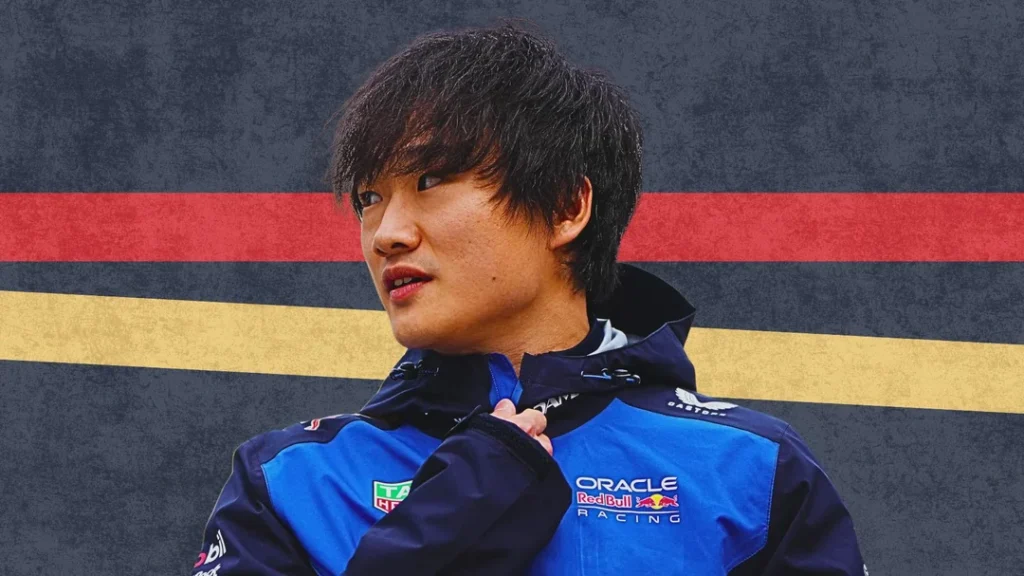
Away from the front-running teams, Yuki Tsunoda’s reflections on his career have triggered a harsher conversation about opportunity and longevity in Formula 1.
There’s little sentimentality in how his situation is being evaluated. The prevailing view is blunt: no driver is entitled to a long career, and Tsunoda’s tenure—by historical standards—may already exceed what many receive.
Debate over his performance highlights a familiar divide. Some contextualize his results within the dominance of top teams, arguing that occasional strong finishes represent solid output. Others focus on raw statistics, suggesting his ceiling has already been demonstrated—and surpassed by emerging drivers.
What stands out more, however, is how his future is framed.
Rather than a clear pathway back to a competitive seat, the discussion shifts toward external factors—manufacturer backing, driver pipelines, and timing. Comparisons to pay drivers and manufacturer-supported drivers underline a broader truth: merit alone rarely dictates opportunity.
In a grid where dozens of capable drivers are competing for a handful of seats, the margin for continuation is razor-thin.
Honda’s Struggles Deepen Aston Martin Concerns
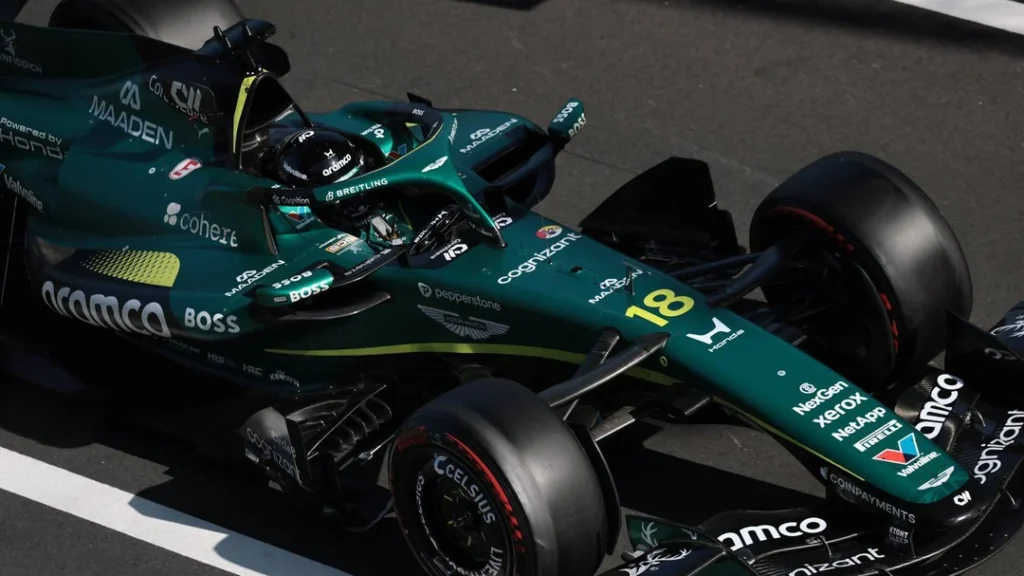
If Mercedes represents control and innovation, Honda’s current situation represents the opposite.
The admission that the root cause of ongoing vibration issues has yet to be identified has been met with disbelief. Not because the problem exists—but because, at this stage of the season, it remains undefined.
This isn’t just a performance issue; it’s a confidence issue.
There’s growing concern not only about reliability, but about the physical toll on drivers. While often framed humorously, references to the impact on drivers’ bodies reflect a genuine unease about how severe the problem might be.
Compounding this is the structural reality of modern Formula 1. Cost caps and development restrictions mean that even once identified, solutions are not immediate. Significant improvements may depend on future upgrade windows rather than rapid iteration.
The result is a sense that Aston Martin’s season risks becoming a prolonged damage-limitation exercise—one where races double as test sessions, and progress is measured in survival rather than performance.
Aesthetic Wins, But Questions Remain
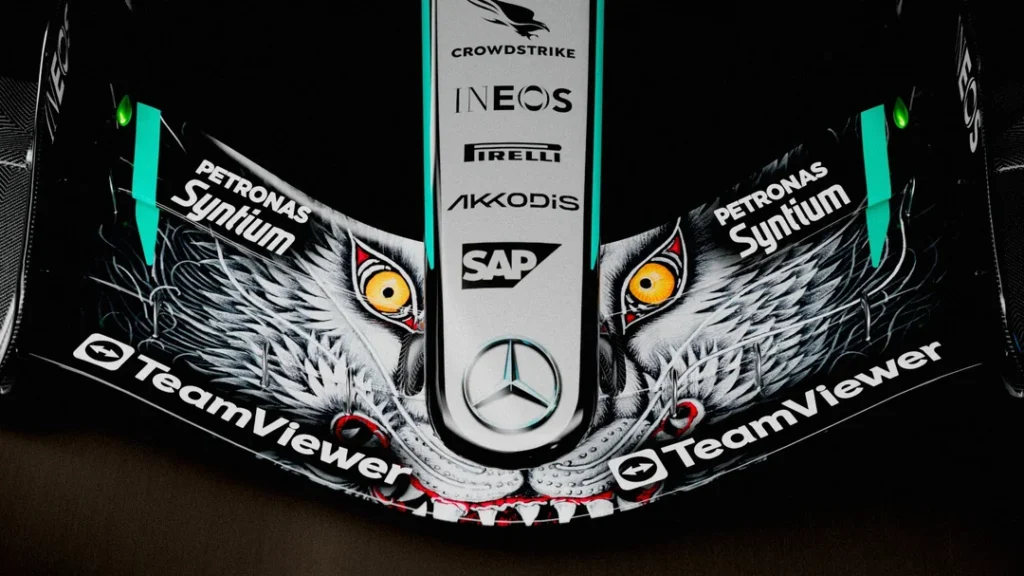
Even Mercedes’ Japanese Grand Prix livery—a lighter, cultural moment—couldn’t escape scrutiny.
While broadly praised for its visual impact, the reaction quickly shifted to detail-oriented critique, particularly around perceived asymmetry. Whether caused by camera angles or design choices, the discussion reflects how even aesthetic elements are dissected with the same intensity as performance.
It’s emblematic of a wider trend: in modern F1, nothing exists in isolation. Design, performance, branding, and even presentation are all part of the same conversation.
A Sport Defined by Contrasts
Taken together, these storylines paint a picture of a sport increasingly defined by contrast.
- A dominant team attracting both top talent and regulatory suspicion
- A driver market where generational talent collides with financial logic
- A midfield where careers hinge as much on circumstance as performance
- A manufacturer struggling to even identify its core issue in an era of limited flexibility
Formula 1 has always thrived on competition, but the current landscape feels more fragmented than ever.
And at the center of it all, one question quietly persists:
Is this the beginning of another Mercedes era—or the moment the rest of the grid begins pushing back?