

Max Verstappen didn’t need a press conference to sum up the current state of Formula 1. He did it from behind the wheel of a GT3 car: “At least you can drive flat out without looking after the battery.”
That single line—delivered away from the F1 paddock—has become a lightning rod for a much broader conversation. Not just about regulations, but about what F1 is supposed to be.
A Different Kind of Racing — and a Different Kind of Joy
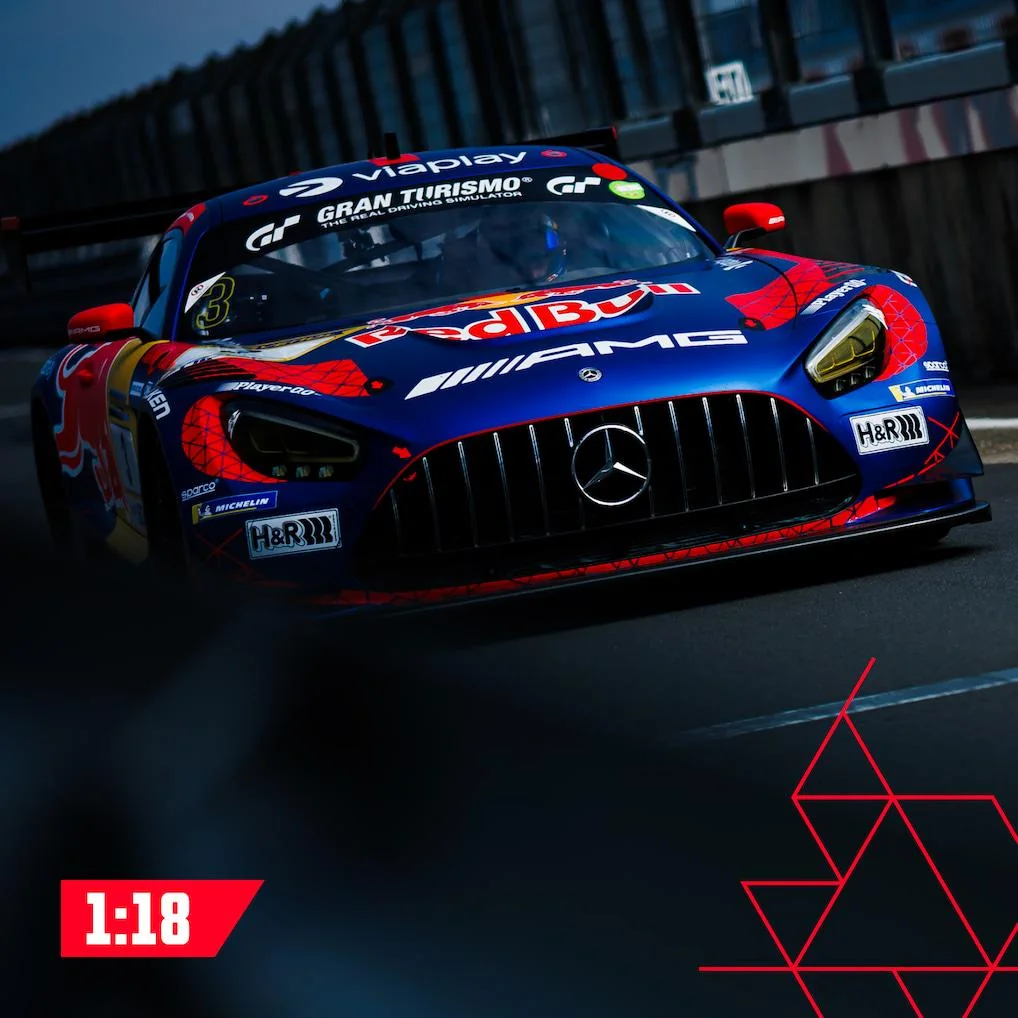
Verstappen’s GT3 outing wasn’t just a side quest—it felt like a release valve. The reaction was immediate: fans gravitated toward the rawness of GT racing, the sound, the aggression, the simplicity of pushing flat-out.
There’s a growing sentiment that what Verstappen experienced is exactly what F1 has drifted away from. The appeal wasn’t just speed—it was freedom. No energy clipping, no over-management, no artificial restraint.
And that contrast is becoming impossible to ignore.
Some observers even went further, suggesting that F1 is starting to look like the “day job” that funds what drivers actually enjoy. Others pointed out that Verstappen’s long-standing criticism of modern cars—even during dominant seasons—now feels less like complaining and more like a consistent philosophy.
At the same time, his GT3 appearance did something unexpected: it pulled a chunk of the F1 audience into endurance racing. For many, it was their first real exposure to series like NLS, IMSA, or GT World Challenge—categories that, while popular in structure, remain fragmented and less visible than F1’s global machine.
The result? A sudden crossover moment where F1 fans discovered a different flavor of racing—and in many cases, liked it.
The Regulation Divide: Sprint vs Endurance Thinking
This tension sits at the heart of the current debate.
On one side, you have voices defending the modern F1 formula. The argument is straightforward: energy management is racing. Endurance series have been doing it for decades, requiring drivers and teams to optimize deployment, efficiency, and coordination over long distances.
From that perspective, F1 is simply evolving toward a more complex, technical challenge.
But the counterargument is just as strong—and far more emotional.
Endurance racing works because energy management shapes strategy. It influences pit stops, fuel loads, stint lengths, and long-term planning across races that can last 12 or 24 hours. In that environment, managing energy is integral to the spectacle.
In F1, however, the critique is that energy management feels… isolated. It doesn’t meaningfully alter pit strategy or race structure. Instead, it dictates how drivers approach individual corners and straights—often forcing them into unnatural compromises.
That’s where the discomfort lies.
Watching a car appear to “run out” of performance mid-straight—what many describe as “super clipping”—creates a visual and sensory disconnect. For a series historically defined by flat-out speed, that’s a philosophical shift.
Some fans accept it as tactical nuance. Others see it as fundamentally at odds with what a Grand Prix should be.
When Complexity Turns Into Confusion
If F1’s challenge is philosophical, other categories are dealing with something more practical: operational complexity.
Verstappen’s Nürburgring disqualification highlighted just how intricate modern racing regulations have become. The issue wasn’t pace, performance, or driving—it was administration.
A strict limit of 24 tires for a four-hour event (including qualifying) was exceeded, with 28 sets scanned into the system. Not necessarily used—just registered.
The fallout was immediate: disqualification.
What stood out wasn’t just the penalty, but the reaction. Many saw it as a “beginner’s error,” the kind of mistake that shouldn’t happen at a professional level. Others pointed out how easily confusion can arise when rules span multiple sessions and depend on procedural tracking rather than on-track behavior.
The takeaway was blunt: modern motorsport isn’t just about driving fast—it’s about managing systems, processes, and compliance at a microscopic level.
And sometimes, that complexity overshadows the racing itself.
A Sport Expanding Beyond Its Own Borders
Verstappen’s GT3 appearance didn’t just spark debate—it exposed a broader trend.
F1 fans are increasingly looking outward.
Some are discovering endurance racing for the first time, realizing how deep and varied the ecosystem is. Others are sticking with F1 but questioning whether its current direction aligns with their expectations.
There’s also an interesting cultural divide emerging. GT3 racing, for all its global reach, lacks a unified structure like F1. It’s spread across championships—IMSA, WEC, IGTC, DTM—each with its own identity. That fragmentation limits its visibility but also gives it a certain authenticity.
F1, by contrast, is centralized, polished, and globally dominant—but also more constrained by its own rules and expectations.
That contrast is becoming part of the conversation.
The Politics of Power and Leadership
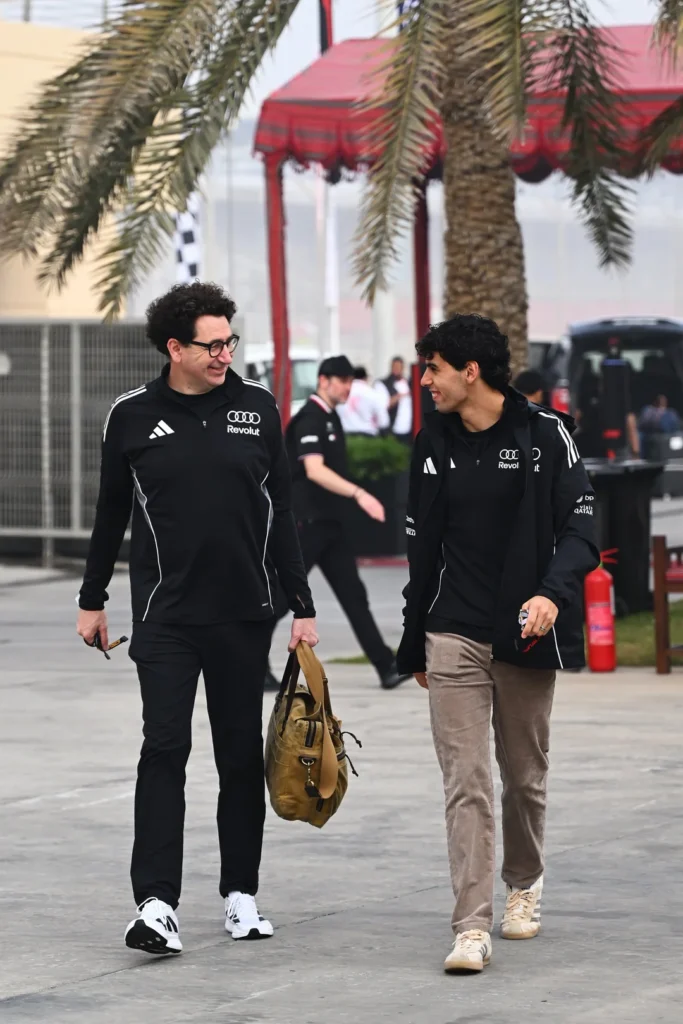
Away from the track, familiar narratives continue to shape the sport.
Mattia Binotto’s return to a team principal role—effectively swapping positions with Frédéric Vasseur—has reignited old debates about Ferrari’s controversial 2019 engine era. That period, still shrouded in ambiguity, continues to influence how fans interpret any future technical advantage tied to his leadership.
Speculation is already building: if Audi emerges with a strong power unit, questions will follow.
At the same time, these leadership shifts reinforce a broader truth about F1—success is rarely just about engineering. It’s about structure, influence, and long-term positioning within the sport’s political landscape.
The Aesthetic Battle: When Design Still Wins
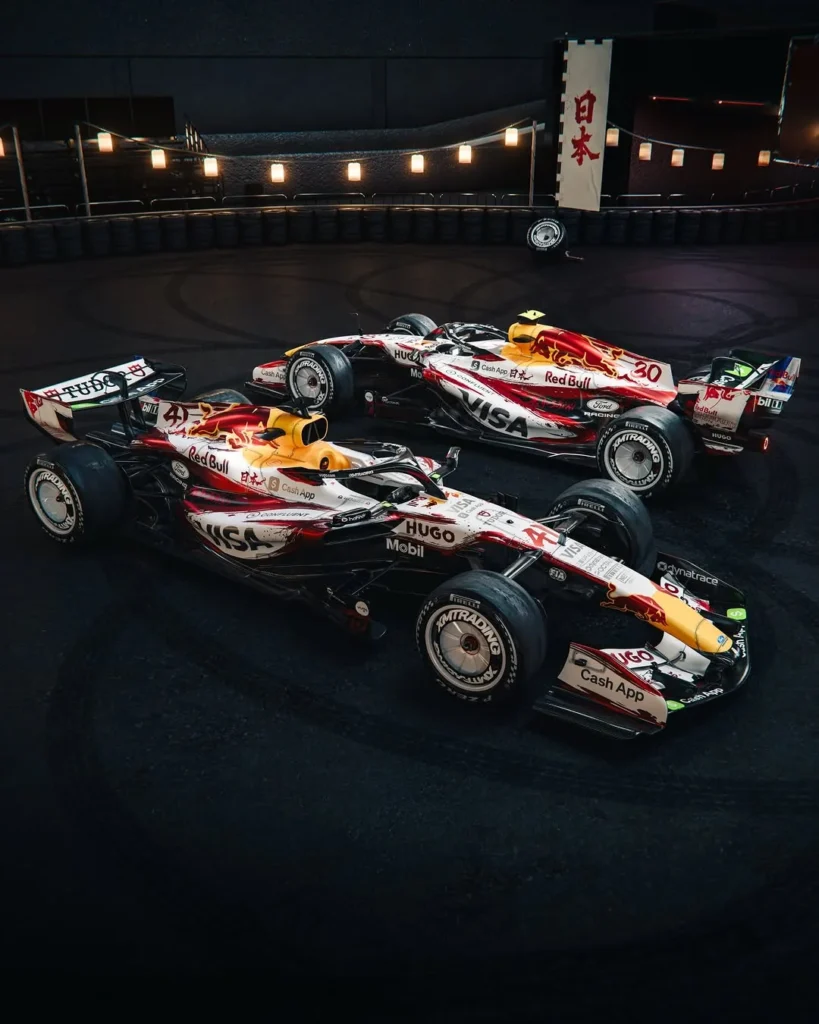
Not everything is controversial.
VCARB’s Japanese Grand Prix livery—featuring “Gives you wings” in Japanese and cherry blossom-inspired themes—was widely praised. In a season filled with technical debate, it was a reminder that F1 still excels at spectacle.
In fact, the reaction hinted at something deeper: fans often feel special liveries outshine standard designs. Some even joked that teams intentionally hold back their best visuals to make these moments feel more impactful.
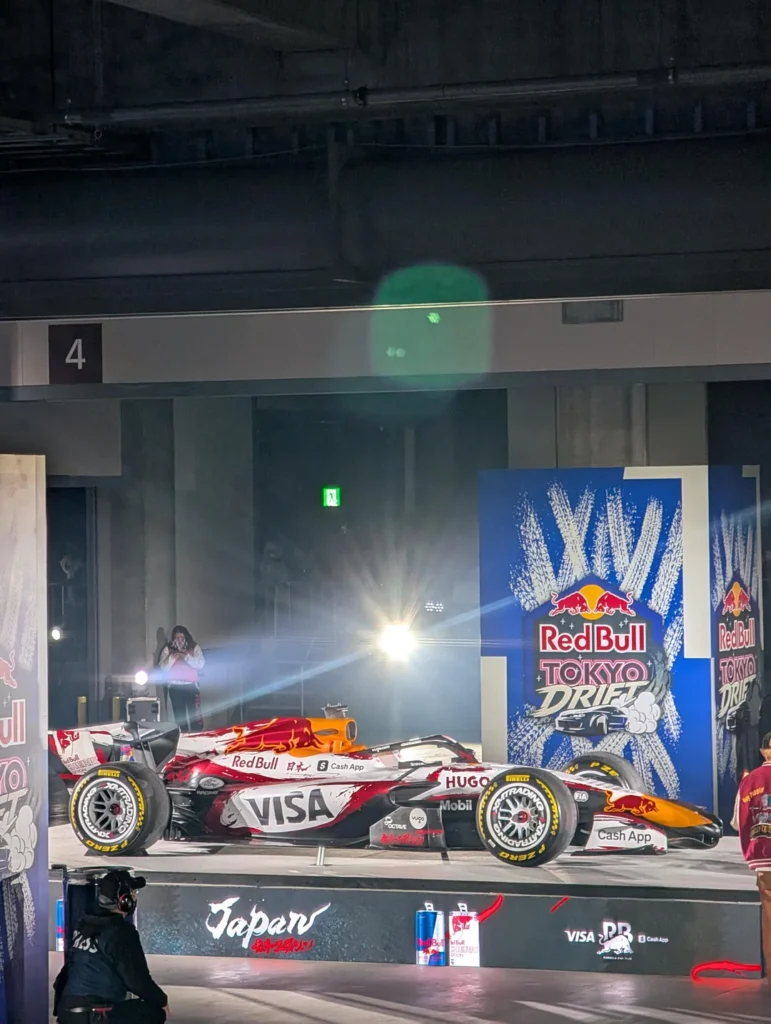
Whether intentional or not, it worked.
The same sentiment carried over to the Red Bull Tokyo drift event, where the livery drew comparisons to iconic Honda-inspired designs. The consensus was clear—it looked like a top team car, regardless of performance hierarchy.
In a sport defined by marginal gains, sometimes the biggest win is simply looking the part.
Legacy, Commercialization, and the Weight of History
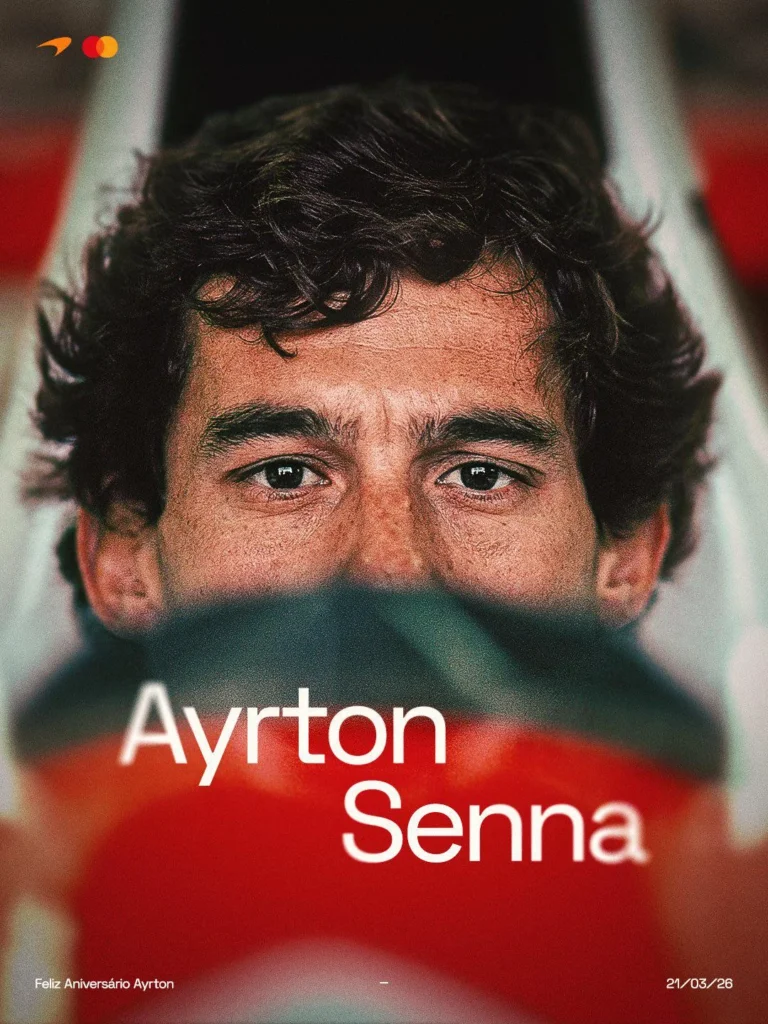
F1’s relationship with its past remains complex.
Tributes to Ayrton Senna—marking what would have been his 66th birthday—highlight the enduring emotional connection fans have with the sport’s legends. His achievements remain untouched by time, his legacy still shaping how greatness is defined.
But even these moments aren’t immune to modern realities.
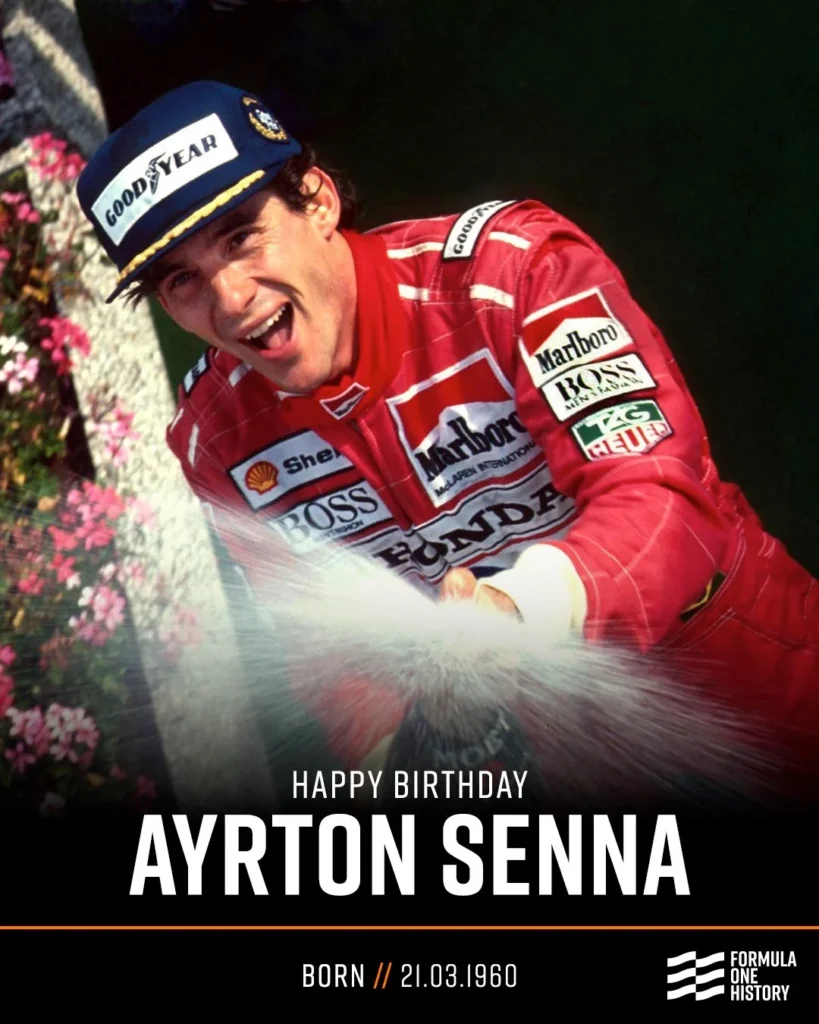
Commercial elements—like sponsorship integrations—sparked mixed reactions, with some seeing them as unavoidable and others questioning whether they dilute the authenticity of tribute.
It’s a delicate balance: honoring history while operating in a commercial ecosystem that touches every aspect of the sport.
Where F1 Goes From Here
All of these threads—Verstappen’s frustration, regulation debates, cross-series interest, operational complexity, leadership shifts, and cultural tension—point to a single conclusion:
F1 is in a transitional phase.
Not just technically, but philosophically.
There’s no clear consensus on what the sport should prioritize. Efficiency vs spectacle. Strategy vs instinct. Complexity vs purity.
What is clear is that the conversation is no longer contained within the paddock. It’s happening across disciplines, across fanbases, and increasingly, across different forms of racing.
And for a driver like Verstappen, the answer—at least for now—seems simple:
Sometimes, you just want to go fast.