

The 2026 Chinese Grand Prix delivered one of the most consequential races of the young season, as Mercedes rookie Kimi Antonelli secured his first Formula 1 victory, leading teammate George Russell and Ferrari’s Lewis Hamilton in a race defined by attrition, technical struggles, and a reshuffling of the competitive order under the new regulations.
For Mercedes, the result was a clear statement that their early-season form is no fluke. For others, particularly Red Bull and Aston Martin, the Shanghai weekend only deepened concerns about reliability, drivability, and the growing complexity of Formula 1’s hybrid-heavy 2026 era.
Antonelli Delivers Breakthrough Victory
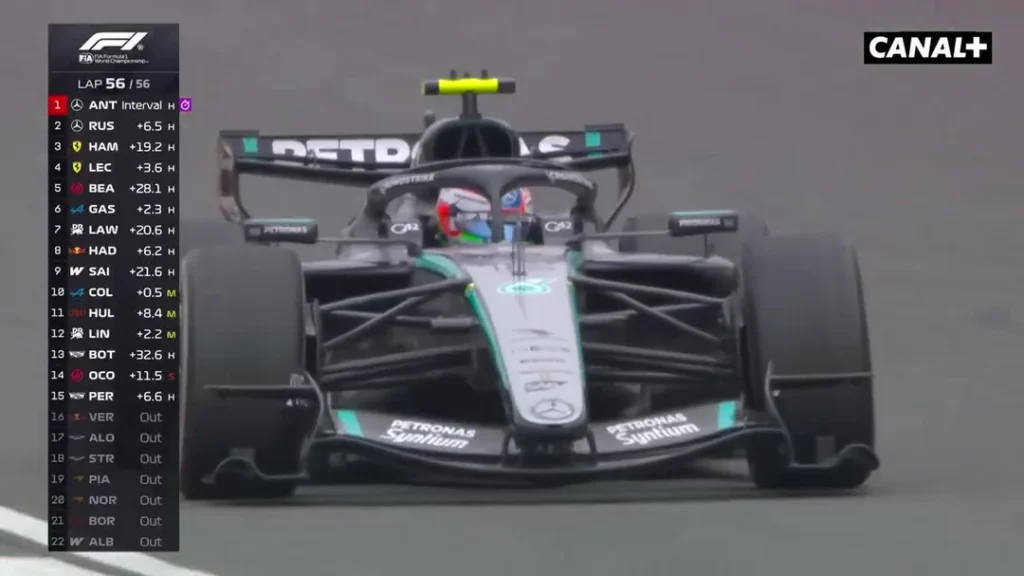
Antonelli’s win marked the defining moment of his rookie season so far.
The young Mercedes driver controlled the race from the front once the final stint began, managing his tires and energy deployment with precision while those behind struggled to keep pace.
One of the key moments came late in the race when Antonelli was able to bring the hard tires into their working window at exactly the right time, allowing him to maintain strong pace in the closing laps while rivals began to fade.
Russell, who had fought his way through traffic earlier in the race, closed somewhat but never seriously threatened the lead once Antonelli stabilized his pace.
The result also highlighted Mercedes’ ability to extract consistent performance from the new power unit and energy systems, particularly during long stints where deployment and tire management become critical.
Russell Caps Strong Mercedes Weekend
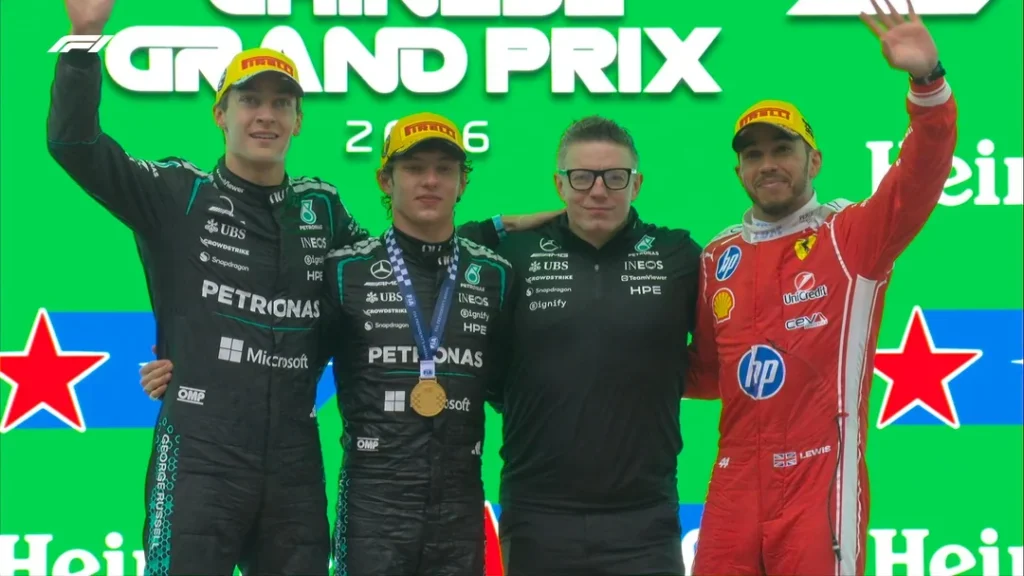
George Russell finished second, rounding out a highly productive weekend for Mercedes after he had already secured victory in the sprint race earlier in the event.
Despite qualifying issues that compromised his starting position, Russell recovered effectively during the race, overtaking several competitors and eventually securing a comfortable second place behind Antonelli.
By the closing stages, Mercedes’ advantage appeared increasingly clear. Ferrari, which had initially looked competitive, lost significant pace during the final stint, dropping multiple seconds over the final laps.
Part of that loss appeared to come from the two Ferrari drivers battling each other earlier in the stint, which likely accelerated tire degradation and opened the door for Russell to consolidate his position.
The result effectively produced what many observers described as a “Mercedes podium,” given that race engineer Peter Bonnington, widely known as Bono, has now worked with all three drivers who stood on the podium.
Hamilton Scores First Ferrari Podium
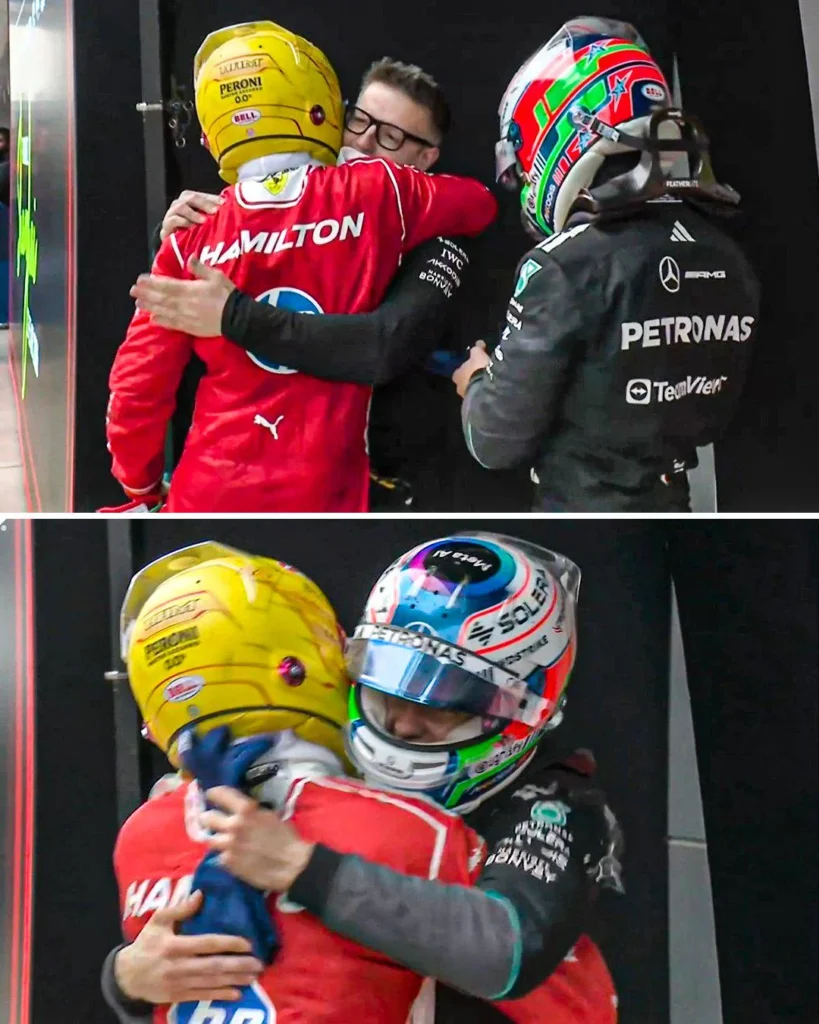
Lewis Hamilton secured his first podium finish for Ferrari, an emotional milestone after a challenging start to the season.
The seven-time world champion showed strong pace during portions of the race and held position under pressure during the later stages.
Hamilton’s performance also underscored the competitive but delicate balance Ferrari is trying to strike with the new generation of cars. While the team clearly has speed, managing tire wear and energy deployment remains a work in progress.
Nonetheless, the podium result was an encouraging sign for both Hamilton and Ferrari as the season begins to settle into a competitive rhythm.
Reliability and Retirements Shape the Race
If the podium battle told one story, the attrition behind it told another.
The race saw multiple retirements and technical failures, a reminder that the 2026 regulations remain a difficult challenge for teams across the grid.
Among the most dramatic retirements came from Fernando Alonso, whose Aston Martin suffered severe vibrations that ultimately forced him to retire from the race.
Alonso later revealed that the vibrations became so intense he began losing sensation in his hands and feet, a situation that raised serious safety concerns.
The issue appears to stem from a combination of power unit and chassis integration problems, a reminder that the new cars demand an extremely precise relationship between the internal combustion engine, hybrid systems, and aerodynamic packaging.
For Aston Martin, the incident highlighted the ongoing difficulties of integrating their new Honda power unit into the car’s design.
Red Bull’s Difficult Weekend Continues
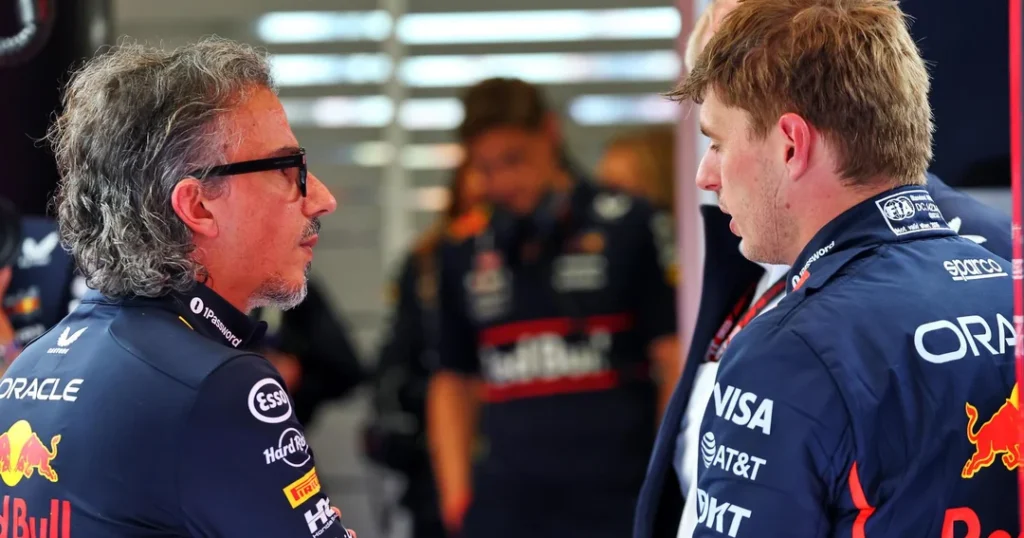
While Mercedes celebrated, Red Bull endured another painful weekend.
Max Verstappen’s race ended in retirement, leaving the team with only minimal points from Isack Hadjar’s eighth-place finish.
Following the race, Red Bull cancelled a scheduled media session with team principal Laurent Mekies, allowing senior leadership to depart Shanghai early to address the team’s mounting technical concerns.
The combination of reliability problems, drivability issues, and inconsistent performance has left the team searching for answers early in the season.
Mercedes team principal Toto Wolff did little to hide his assessment of the situation, describing Verstappen’s qualifying onboard as “horrendous to drive” and suggesting the Dutch driver is currently experiencing a “horror show” behind the wheel.
Regulation Tweaks Already Under Discussion
The Shanghai weekend also sparked an important off-track development.
Team principals have scheduled a meeting between the Chinese and Japanese Grands Prix to discuss possible minor adjustments to the 2026 regulations, following concerns raised during the first races of the season.
The cancellation of several Middle Eastern races has created an unusual gap in the calendar, giving teams time to analyze data from the opening rounds before deciding whether technical adjustments are necessary.
One of the main topics expected to be discussed is “superclipping,” a phenomenon where electrical energy deployment drops sharply toward the end of straights, creating unusual speed profiles and forcing drivers to manage energy even during qualifying laps.
Many observers believe the issue has had the most noticeable impact during qualifying, where drivers are sometimes forced to lift and coast during what should be flat-out laps.
Possible solutions under discussion include:
- Adjusting electrical deployment limits
- Modifying energy harvesting parameters
- Increasing internal combustion energy flow during qualifying sessions
The goal would be to preserve the strategic depth of the new hybrid systems while restoring the traditional visual intensity of drivers pushing flat out on qualifying laps.
Early Season Trends Begin to Take Shape
After the opening rounds of the season, several themes are beginning to emerge.
Mercedes currently appears to have the most balanced package, combining reliability, tire management, and efficient energy deployment.
Ferrari remains competitive but still appears vulnerable to tire degradation and strategic complexity during longer stints.
Meanwhile, Red Bull and Aston Martin are grappling with deeper structural challenges involving chassis balance, power unit integration, and reliability.
With the Japanese Grand Prix next on the calendar, a circuit that places very different energy demands on the cars, the next race could provide a clearer picture of whether these early trends are temporary growing pains or the foundation of the 2026 competitive order.