

Formula 1 isn’t short on drama right now. If anything, it’s drowning in it. The problem is where that drama is coming from, how it’s framed, and who ends up paying the price for it.
Across the last few weeks, a familiar pattern has re-emerged: institutional voices insisting the sport is healthy, entertaining, and resilient, while fans are increasingly frustrated with how narratives are manufactured, simplified, or outright distorted, often at the expense of reality.
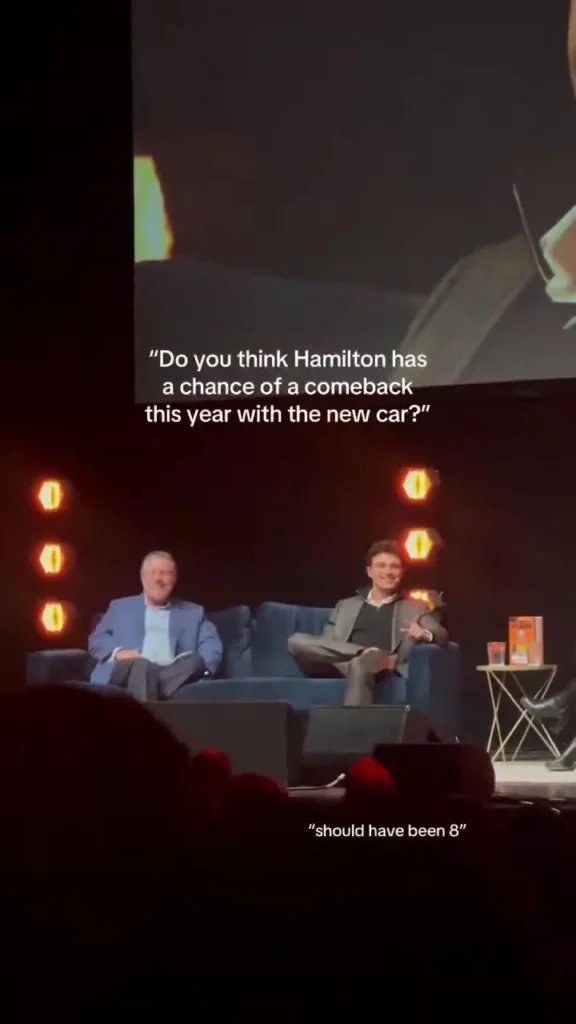
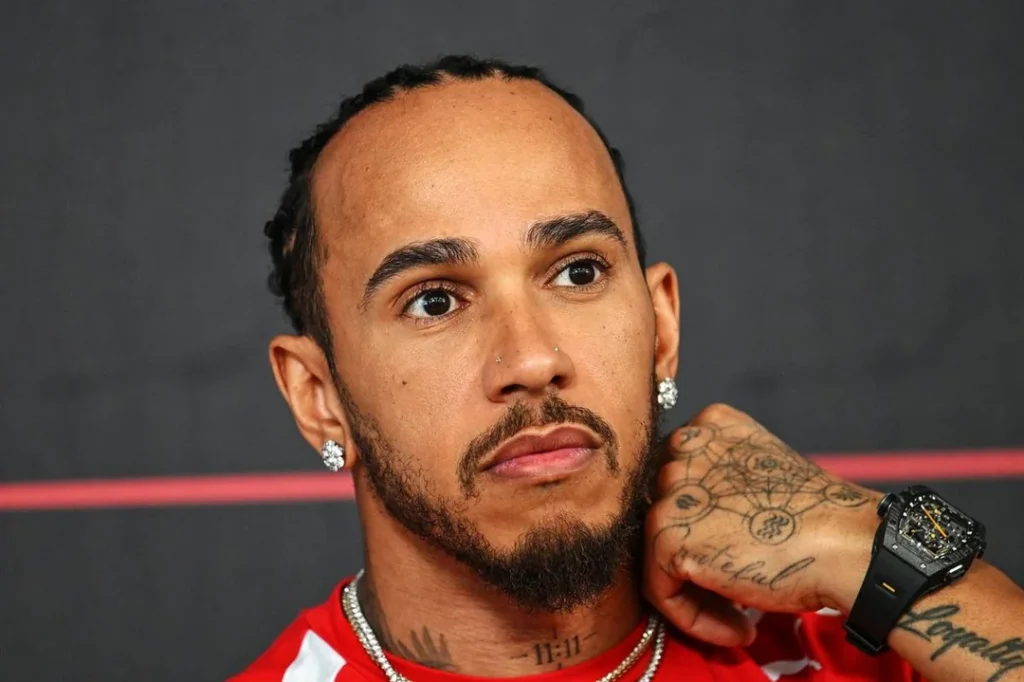
Take the latest round of noise around Lewis Hamilton’s legacy. The reaction to a single off-hand remark reignited Abu Dhabi 2021 yet again, not because it’s controversial, but because it’s unresolved. Among fans, there’s little appetite left for pretending that two ideas can’t coexist: that Max Verstappen earned his championship across a brutal season, and that the finale itself was a procedural failure that robbed both drivers of a proper fight. The anger no longer points at drivers, it points at officials, and at a sport that still hasn’t found a way to close the book cleanly. What’s changed is that drivers, once they’ve crossed the championship threshold, seem far less interested in cushioning those truths for PR comfort. Titles buy freedom, and candor.
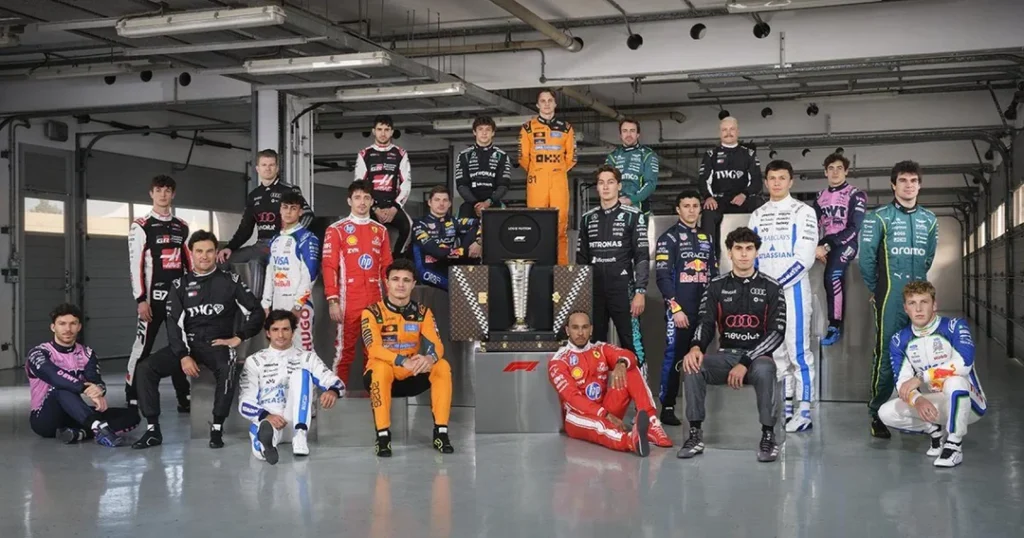
That same tension shows up everywhere else, particularly in how Formula 1 chooses to document itself. Drive to Survive Season 8 has arrived with the same criticisms as every season before it: radio messages stitched together from different races, timelines bent to suit arcs, and inconvenient facts quietly omitted. At this point, fans aren’t shocked, they’re tired. Leaving out disqualifications, rewriting momentum, or framing success without consequence doesn’t just simplify the sport; it actively miseducates new audiences. The irony is that Formula 1 doesn’t need this kind of fabrication. The margins, the rules, the politics, and the failures are compelling on their own. Yet the show continues to trade authenticity for accessibility, even as long-time viewers disengage and newer fans inherit misconceptions that take years to unlearn.
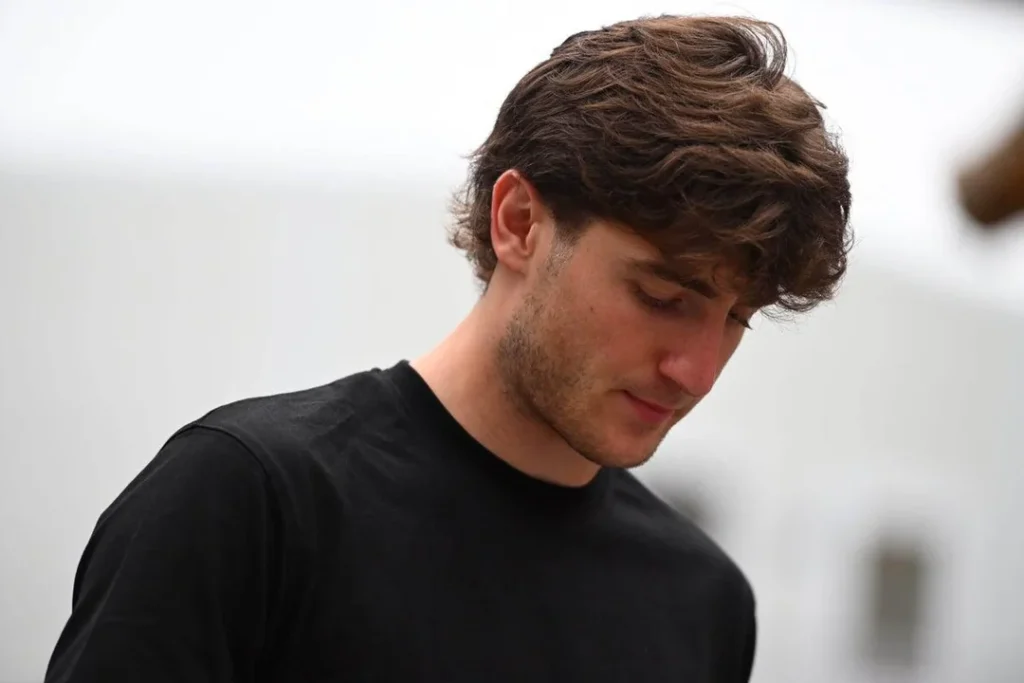
That gap between image and reality becomes far uglier when it spills beyond storytelling and into human cost. The revelations around Jack Doohan’s treatment, death threats, armed confrontations, and a team environment that offered little protection, are a reminder that F1’s ecosystem doesn’t just amplify success. It amplifies abuse. The instinct to blame social media platforms misses the deeper issue: a sport that continues to benefit from engagement while doing little to meaningfully shield young drivers from its worst excesses. When a rookie becomes a sacrificial lamb in a political or commercial reshuffle, the consequences don’t end at a press release.
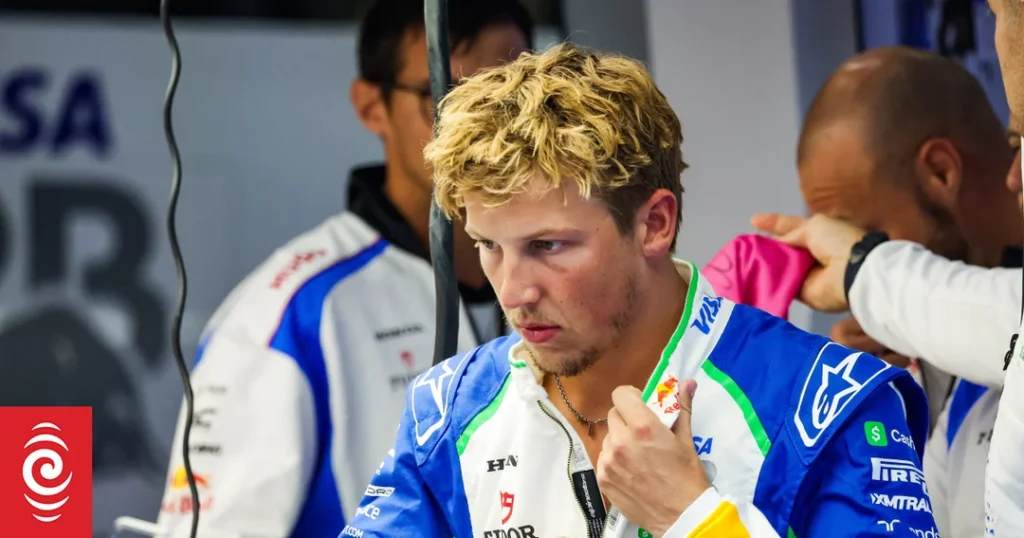
Nowhere is that more evident than in the Red Bull driver churn. Liam Lawson’s two-race stint and abrupt demotion wasn’t just harsh, it was structurally incoherent. Promoting a driver without proper testing, then pulling the plug before confidence or context can develop, damages everyone involved. It stunts growth, destabilizes the second seat, and reinforces the perception of a system more reactive than strategic. In hindsight, the move may have spared Lawson long-term damage, but that’s cold comfort in a process that never should have placed him there in the first place.
Against this backdrop, leadership figures continue to insist the sport will absorb anything. Retirements. Controversy. Fan dissatisfaction. And historically, that’s true, Formula 1 survives. But survival isn’t the same as health. The post-Schumacher dips in key markets, the Max-driven boom in others, and the fragile nature of star-centric engagement all point to the same truth: icons matter, even if the institution outlives them. Dismissing that reality risks repeating the same cycle of decline and recovery instead of learning from it.
Even debates about “excitement” feel disconnected from what fans are actually asking for. Telling audiences that overtakes aren’t the metric misses the point entirely. Fans aren’t counting passes; they’re reacting to tension, strategy, uncertainty, and consequence. A race without overtakes can still be electric, but only if the outcome feels alive. When strategy is locked by lap ten, tires operate in microscopic windows, and recovery drives are mathematically impossible, no amount of philosophical reframing will make it compelling.
And hovering over all of this is the uneasy sense that Formula 1 keeps choosing the easier story over the truer one. Whether it’s glossing over disqualifications, soft-pedaling governance failures, or leaning on spectacle instead of substance, the sport often behaves as if fans won’t notice. They do. They always have.
Formula 1 doesn’t lack characters, conflict, or complexity. What it lacks, increasingly, is the confidence to let those things stand on their own.