

As Formula 1 accelerates toward its 2026 regulations reset, the conversation around the sport feels less about lap times and more about power, who has it, how it’s exercised, and how visible its consequences are. Across teams, drivers, and governance, the same themes keep resurfacing: control versus chaos, transparency versus protection, and whether the spectacle fans want can realistically coexist with the structures F1 relies on.
Power, Sponsorship, and the Uneasy Questions No One Wants to Answer
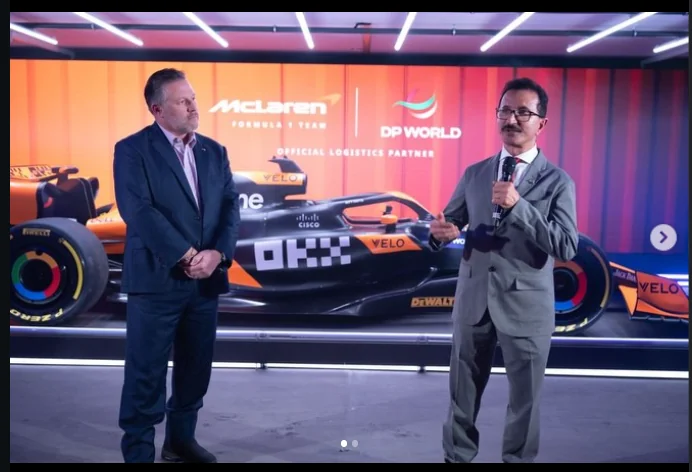
Recent discussion around the Epstein files has reignited uncomfortable scrutiny around wealth, influence, and accountability, scrutiny that inevitably brushes up against Formula 1’s commercial ecosystem. Sponsorships are increasingly viewed less as expressions of racing passion and more as vehicles for image management, access, or insulation from consequences.
The discomfort is compounded by governance optics. Questions around conflicts of interest, particularly when leadership families have financial ties to teams, are met with deep skepticism that any internal process would ever find fault. The prevailing sentiment is resignation rather than outrage: that meaningful consequences rarely reach those at the top, whether in motorsport or beyond.
This feeds into a broader historical context fans are keenly aware of. Formula 1 has long attracted morally dubious money, oil, tobacco, gambling, crypto, oligarch wealth, and while the branding has changed, the underlying dynamics feel familiar. The difference now is that fans are more willing to talk about it openly, even if they don’t expect change.
Haas, Ocon, and a Brutally Honest Assessment
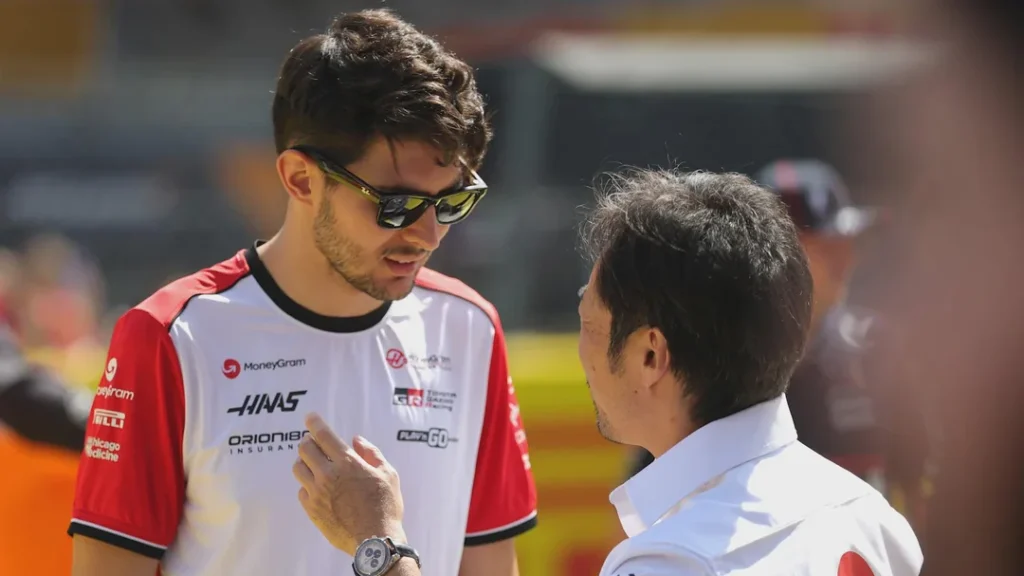
Against that backdrop, Ayao Komatsu’s public assessment of Esteban Ocon stood out precisely because of how unfiltered it was. The message was unambiguous: expectations were higher, and results didn’t meet them.
Ocon’s experience, race wins, and decade in F1 were explicitly contrasted with a rookie teammate, and the gap, particularly in qualifying at certain tracks, was framed as unacceptable, even when mitigating factors like car behavior were acknowledged. While Komatsu accepted shared responsibility, the bluntness of the critique felt unusually stark for modern F1 team communication.
The reaction has been less about the criticism itself and more about what it signals. Haas historically hasn’t spoken this directly about drivers, and the tone has fueled speculation about long-term plans, Toyota’s growing involvement, and whether Ocon is being positioned as expendable in a rapidly shifting driver market.
Alonso, Indy, and the Weight of Opportunity Cost
Fernando Alonso’s standing invitation to return to the Indy 500 with McLaren reopened the perennial Triple Crown debate, but this time, the calculus feels different. With the Canadian Grand Prix now directly overlapping Indy, and with Aston Martin’s trajectory tied to how competitive its car becomes, the choice isn’t romantic, it’s strategic.
The consensus is clear: if Alonso believes he has even a realistic shot at another F1 title, Indy can wait. The Triple Crown remains historic, but a championship-caliber F1 car carries more weight than nostalgia. If that confidence fades, however, the door remains open, and McLaren is now seen as a genuinely competitive Indy partner rather than a sentimental one.
Speed Without Simplicity: What 2026 Is Already Showing
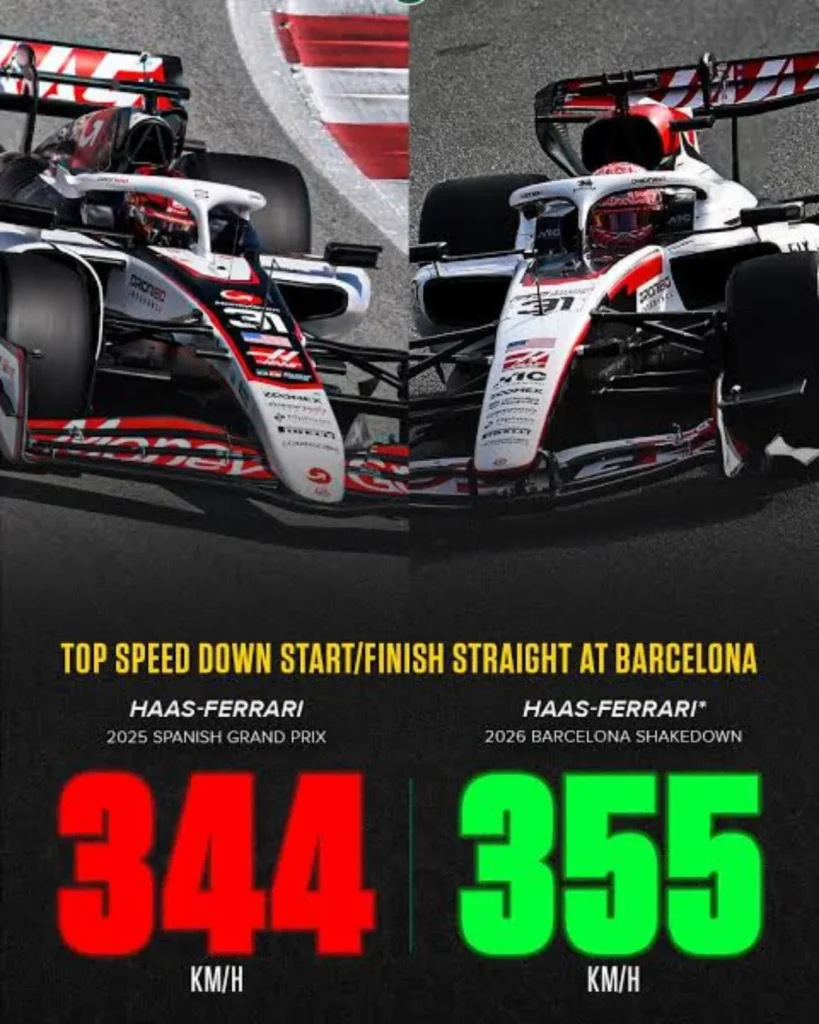
Testing data and driver feedback are beginning to paint a consistent picture of the 2026 cars: extremely fast in a straight line, heavily constrained by energy management, and deeply sensitive to context.
Ocon reaching 355 km/h in Barcelona became less a headline about top speed and more a case study in how atypical deployment can radically change what the car feels capable of. Discussions quickly shifted to MGU-K cutoffs, efficiency limits, elevation effects, and whether tracks like Mexico could produce the season’s highest speeds despite high-downforce setups.
At the same time, the speed comes with tradeoffs. Higher straight-line velocity paired with lower corner apex speeds suggests longer braking zones and more theoretical overtaking opportunities, but only if drivers can manage the systems without draining energy reserves too early. The promise of better racing is there, but it’s fragile.
Lift-and-Coast, Even in Qualifying
Perhaps the most jarring revelation is how normalized lift-and-coast has already become, even on qualifying laps. Ocon’s admission that drivers are routinely lifting during push laps underscores just how intrusive energy management has become.
While lift-and-coast has always existed in F1, the scale is new. Drivers are adapting quickly, but the concern isn’t adaptation, it’s spectacle. Following another car appears harder, balance shifts are more pronounced in dirty air, and even the new overtake modes haven’t yet transformed the experience.
Some drivers and team principals remain optimistic, praising how the cars feel and defending the philosophy behind the rules. Others are more cautious, noting that harder driving doesn’t necessarily mean better racing. What’s clear is that 2026 will reward precision, discipline, and judgment more than raw aggression.
McLaren, “Papaya Rules,” and a Debate That Won’t Die
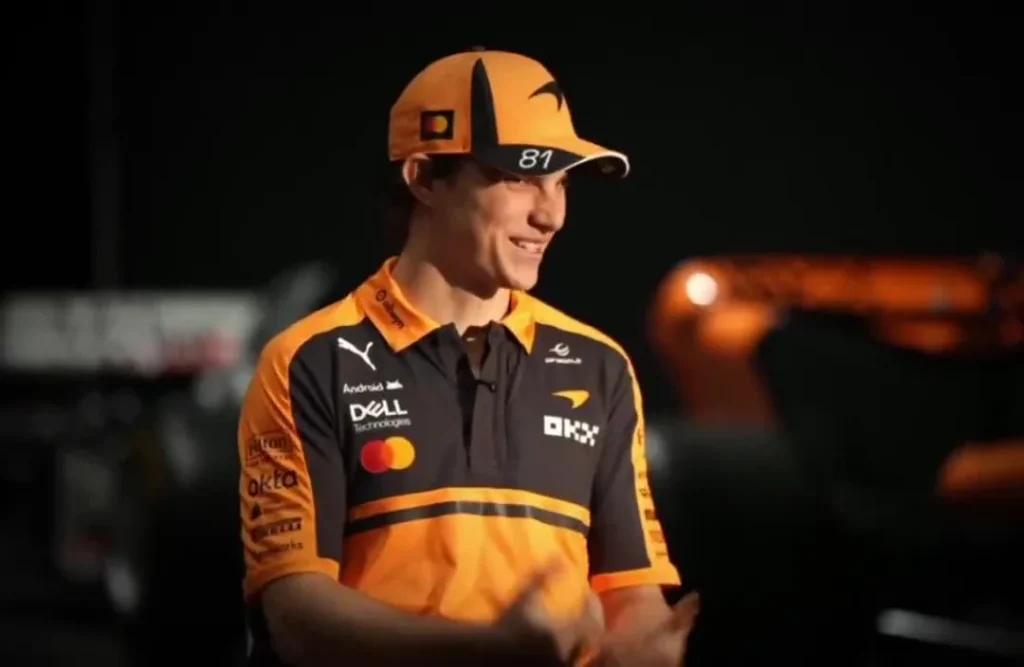
Few phrases have taken on a life of their own like “papaya rules.” Originally little more than a reminder not to crash into each other, it has since become shorthand for every strategic decision fans don’t like.
Oscar Piastri’s blunt dismissal of the term reflects broader frustration, both within the team and among supporters, at how the concept has been distorted. McLaren allowed its drivers to fight, avoided implosion, and tried to remain fair, yet still became the focal point for complaints rooted more in regulation-era racing limitations than team policy.
The irony isn’t lost: without some form of restraint, the intra-team battle likely would have benefited their rivals even more. The debate says less about McLaren’s rules and more about how desperate fans are for genuine wheel-to-wheel action in a period where the cars simply didn’t allow much of it.
Pressure, Progression, and the Lando-Oscar Dynamic
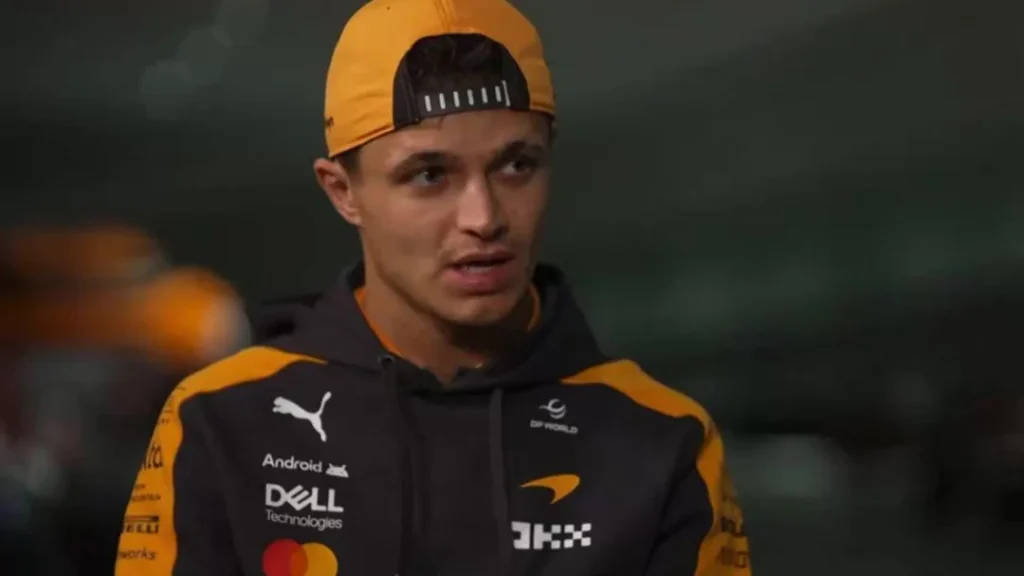
With a title now behind him, Lando Norris enters the new era visibly lighter. The sense is that expectation has shifted, not disappeared, and that freedom could make him sharper rather than complacent.
Oscar Piastri, meanwhile, faces a different challenge. His peaks have been undeniable, but recurring second-half-of-season downturns have raised questions about adaptation, fatigue, and whether consistency across a full calendar is the next hurdle. The internal consensus isn’t that he lacks talent, it’s that the margins for error are shrinking.
Both drivers are widely expected to improve. Whether McLaren has learned how to manage two genuine title contenders without tying itself in knots remains one of the most compelling questions of the coming seasons.
Chaos, Bookmakers, and the Stories We Want to Believe
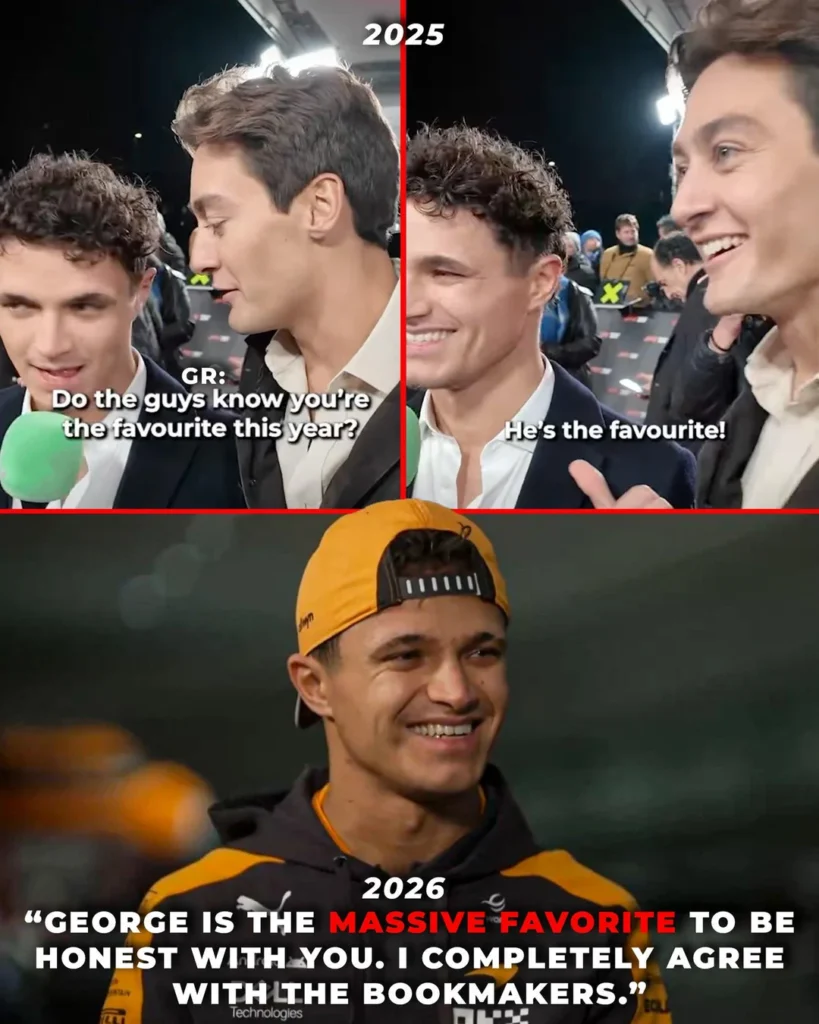
Bookmakers installing George Russell as a title favorite has become its own subplot, one that Norris is clearly enjoying. Beneath the banter, the reasoning is familiar: consistency, engine rumors, and preseason reliability narratives.
But even among fans, there’s acknowledgment that betting markets reflect sentiment more than truth. With new regulations, unknown development curves, and teams still learning how to exploit the rules, confidence feels premature.
What remains consistent is the tone of the grid itself. The camaraderie among drivers, particularly those who came through together, feels markedly different from past eras. The rivalries may still be fierce, but they’re increasingly wrapped in humor, respect, and self-awareness.
Where That Leaves Formula 1
Heading into 2026, Formula 1 isn’t short on speed, intelligence, or ambition. What it’s grappling with is balance, between control and freedom, innovation and entertainment, fairness and consequence.
Drivers will adapt. Teams will optimize. Fans will argue. Whether the racing product ultimately delivers on the promise of chaos rather than just complexity is the question that won’t be answered until the lights go out.
Until then, everything, from sponsorship ethics to lift-and-coast in qualifying, remains part of the same unresolved tension at the heart of modern Formula 1.