

Formula 1 rarely lacks for noise, but heading into the 2026 regulation reset, the volume feels different. Louder. More fragmented. Less certain. Across teams, drivers, and fans, the sport is juggling ambition, anxiety, nostalgia, and hype in equal measure, often within the same sentence.
The Newey Effect: When Genius Becomes Expectation\
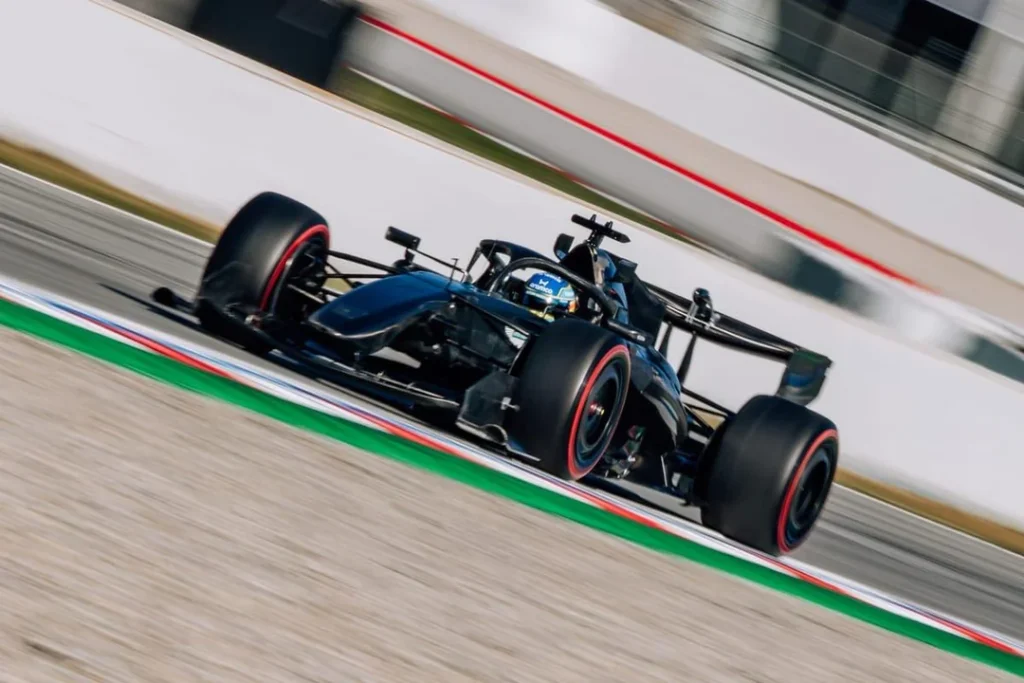
At the center of much of it sits Aston Martin.
The “Newey Effect” has taken on a life of its own. With Adrian Newey now embedded at Silverstone, expectations have ballooned to near-mythical levels. The framing is familiar: wherever Newey goes, success eventually follows. Williams. McLaren. Red Bull. Championships arrived, eras were defined, and the legend hardened into something close to dogma.
But the reaction this time is far from unanimous reverence. Even supporters acknowledge the risk of turning one man into a cheat code. Newey has designed title winners, but he has also overseen fragile cars, flawed concepts, and outright failures. He doesn’t build engines. He doesn’t work alone. And history is littered with examples where radical ideas looked spectacular before collapsing under reality.
That word, spectacular, has become something of a lightning rod.
When George Russell described Aston Martin’s 2026 car as “spectacular,” the response was immediate skepticism. Russell also thought the Mercedes W13 looked spectacular. Many still agree it did. It just happened to be brutally narrow-windowed, setup-sensitive, and compromised in real-world conditions. Radical doesn’t mean fast. It means risky.
Aston Martin’s AMR26 appears to be the most extreme interpretation of the new rules so far. Aggressive packaging. Big conceptual swings. Heavy Newey fingerprints. But weight issues have already surfaced, and while weight can often be trimmed, it rarely exists in isolation. Cooling, drivability, and integration problems tend to travel together, especially when paired with a power unit that is still raising questions.
Honda, History, and the Fear of a Familiar Loop
That brings Honda back into the spotlight.
Aston Martin’s full factory partnership with Honda should represent a clean-sheet opportunity. Instead, it’s triggering muscle memory. Reports of development struggles, limited early running, and engines not being pushed to full power have reignited familiar fears. Newey himself has reportedly described Honda as “playing catch-up.” Add early reliability issues and the jokes write themselves. GP2 references. Narrator voices. Nervous laughter.
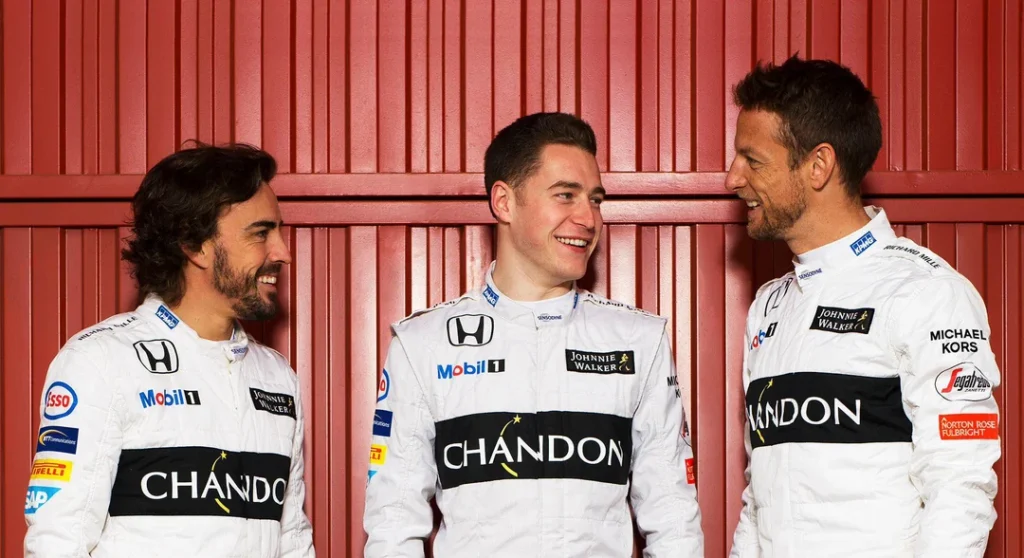
The déjà vu deepens when you look at the personnel list. Fernando Alonso in the cockpit. Stoffel Vandoorne as reserve. Jenson Button as ambassador. On paper, it’s experience and depth. In practice, it feels uncomfortably like a remix of an era many fans would rather not relive. This isn’t doom, it’s conditioned caution.
Williams, AI, and the Risk of Branding Outrunning Performance
Yet Aston Martin aren’t the only team wrestling with perception.
Williams, long rebuilding under James Vowles, find themselves in a different kind of conversation entirely. On one hand, progress is visible: sponsors secured, structure stabilizing, long-term planning aligned around 2026. On the other, they’re leaning into something profoundly modern, and profoundly memeable.
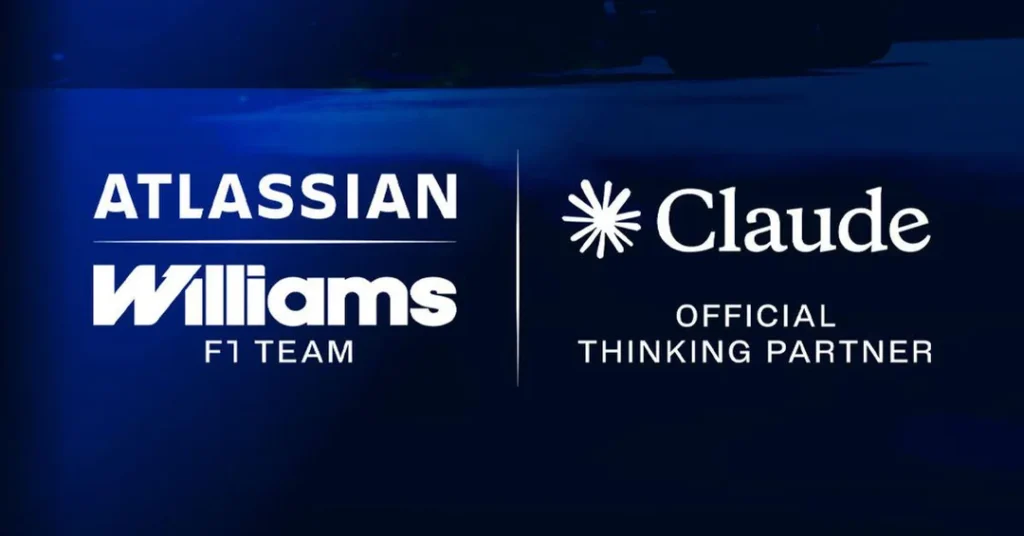
Anthropic and Atlassian naming Claude as Williams’ “Official Thinking Partner” was meant to signal seriousness about data, reasoning, and decision-making in a high-stakes environment. Instead, it became instant satire. Outsourcing thought. Vibe engineering. Cars designed with three wheels and an apology. The joke avalanche obscured the underlying intent: using AI to support engineers drowning in complexity during the biggest rule change in a generation.
The truth likely sits somewhere between the extremes. AI won’t design a championship-winning car. But it might help people ask better questions. Unfortunately for Williams, branding matters in F1, and “Official Thinking Partner” will live forever as a punchline unless results arrive quickly enough to bury it.
Russell vs Verstappen: The Rivalry F1 Is Already Writing
Drivers, meanwhile, are already looking past the noise to the prize.
George Russell has been explicit about what he wants from 2026: a title fight with Max Verstappen. Not symbolism. Not benchmarking. A genuine head-to-head. The idea has lit fans up, not because of its likelihood, but because of its potential. Russell versus Verstappen isn’t being sold as elegant or clean. It’s being sold as cinema. Pettiness. Quotable pressers. Incidents that split opinion instantly. A rivalry that would turn every minor comment into content and every racing incident into a referendum.
Layered on top of that are contract rumors, performance clauses, and speculative scenarios where competitive pressure collides with the driver market. None of it confirmed. All of it combustible. And all of it feeding the sense that 2026 won’t just be a technical reset, it will be a narrative explosion.
Doriane Pin and the Uneven Reality of F1’s Talent Pipeline
Elsewhere, the sport continues to trip over its own priorities.
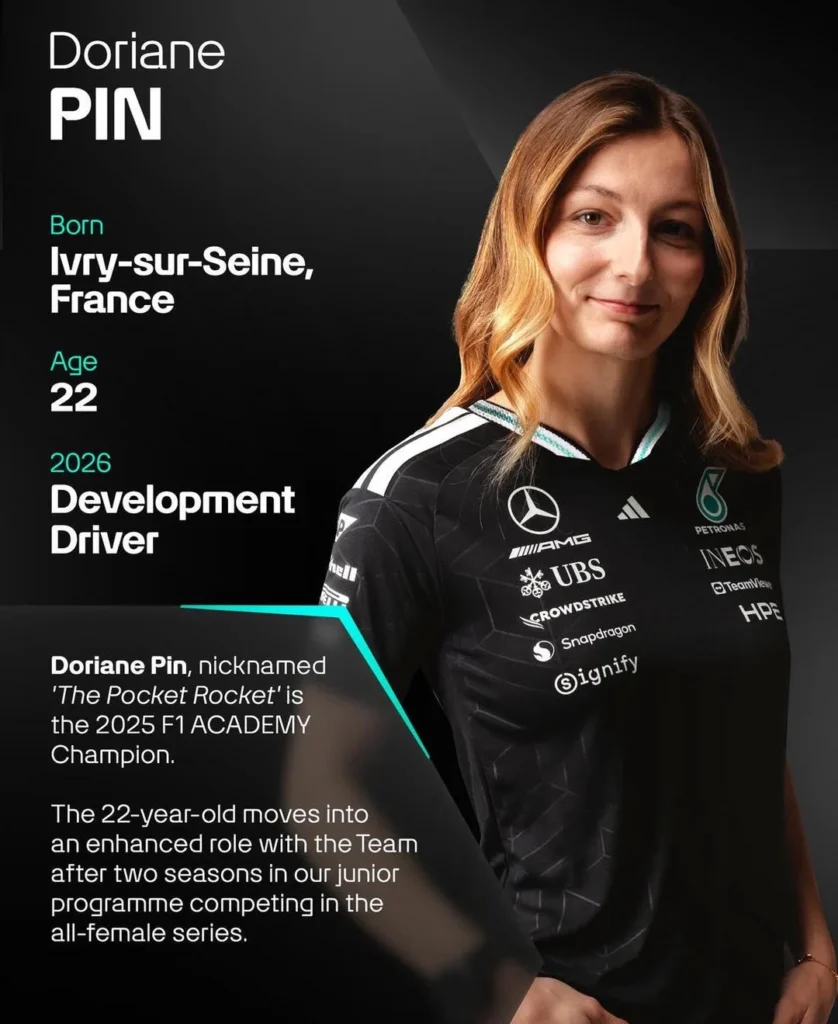
Development drivers like Doriane Pin generate admiration for talent and frustration for visibility. Fans ask why proven racers struggle for airtime while WAG-focused content dominates official channels. The answer, uncomfortably, is engagement. It works. But the disconnect between hardcore racing audiences and F1’s broader social strategy continues to widen, leaving genuine progress, like F1 Academy pathways, feeling half-committed and inconsistently supported.
Overtaking, Physics, and the Limits of Regulation Resets
Even the racing itself isn’t spared scrutiny.
Esteban Ocon’s warning that overtaking looks “difficult” in 2026 was met less with alarm than resignation. Overtaking has always been difficult in F1. High downforce, dirty air, powerful brakes, tyre sensitivity, and constructor disparity make it so by design. Other series trade freedom for closer racing. F1 trades close racing for engineering ambition. When it produces magic, 2021-style seasons, it’s unforgettable. When it doesn’t, the pit lane does most of the overtaking.
And Monaco? It was never easy. Not in the ’60s. Not in the V10 era. Not now. The myth just refuses to die.
Why 2026 Feels Less Like a Reset and More Like a Reckoning
Taken together, these threads form a clear picture. Formula 1 is entering 2026 with unprecedented investment, unprecedented complexity, and unprecedented expectation. Teams are gambling on radical concepts, new power units, AI partnerships, and legendary figures. Fans are oscillating between belief and fatigue. Drivers are already eyeing the next battlefield.
What unites all of it is uncertainty.
Newey isn’t a guarantee. Honda isn’t a write-off. AI isn’t a joke, or a savior. Russell versus Verstappen isn’t inevitable. Aston Martin might soar. They might stumble. Williams might quietly lay foundations that pay off years later. Or they might remain stuck explaining why thinking didn’t translate into lap time.
The only certainty is that 2026 will expose illusions fast.
Formula 1 moves quickly. Legends echo. But regulation resets don’t care about mythology, branding, or hype. They care about execution. And soon enough, the stopwatch will cut through all of it.