

Formula 1 isn’t just dealing with a difficult regulation cycle—it’s navigating a full-blown identity crisis. Across the paddock, from boardrooms to driver WhatsApp groups, from fanbases to feeder series, the same tension keeps surfacing: who actually controls the sport—and what should F1 even be?
Based on the latest wave of developments, the answer right now is simple: nobody fully does.
Audi’s Leadership Puzzle Exposes a Deeper Problem
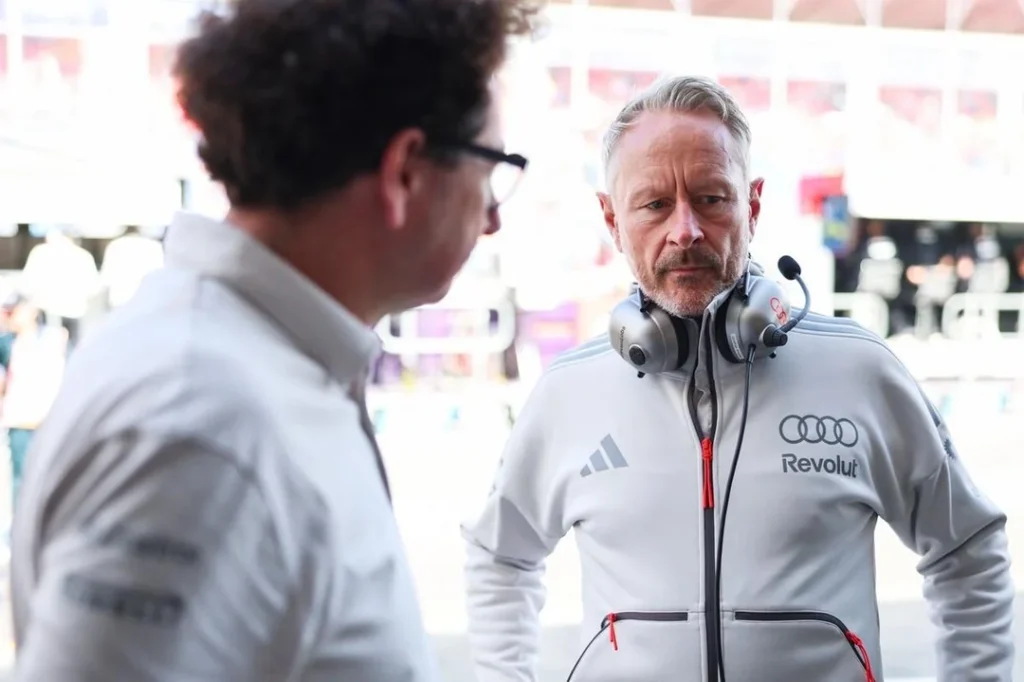
The situation at Audi may be the clearest example of F1’s current structural confusion.
Comments from Mattia Binotto outlining the future leadership model—where he retains overall control while appointing someone to “support” race weekends—have triggered a wave of interpretation that the team principal role itself was diluted before it even began. Rather than a traditional TP with end-to-end authority, the role appeared closer to a trackside operator.
That framing immediately reshapes how Jonathan Wheatley’s departure is viewed. What was initially seen as a career move now looks more like a misalignment of expectations. The underlying takeaway from fan analysis is blunt: if the role was effectively reduced to running race weekends without influence over drivers, development, or long-term strategy, then it wasn’t really a promotion at all.
From there, the criticism broadens. Dual-leadership structures in F1 rarely succeed—especially when responsibilities are uneven. Even if technically “equal,” the perception of imbalance is enough to destabilize a project. And in Audi’s case, many see the outcome as inevitable.
2026 Regulations: From Engineering Showcase to “Patch Notes”
If Audi highlights organizational confusion, the 2026 regulations highlight technical uncertainty.
The proposed fixes—ranging from changes to deployment and recharge limits to tweaks in MGU-K behavior and active aero freedom—read less like a long-term vision and more like iterative corrections. Fans have already started describing them as “patch notes,” which says everything about how reactive the situation feels.
At the core of the issue is energy management. The current system has created cars that are visibly not being driven flat-out—slowing on straights, managing deployment, and relying heavily on software. That visual disconnect matters. Even if lap times remain fast, the perception is that the cars look slower, more constrained, and less driven by human input.
There is broad agreement on one point: fans would accept slower cars if they looked faster—if drivers were pushing consistently rather than managing energy. The real frustration isn’t raw pace, but the sense that performance is dictated by algorithms rather than instinct.
Superclipping, in particular, has become symbolic of everything people dislike. It’s not just a technical concept—it’s a visual and philosophical break from what F1 is supposed to represent.
And crucially, unlike past controversial rules, these aren’t easy fixes. Earlier missteps—like elimination qualifying or the 2005 tyre rule—could be reversed quickly. This time, the problems are embedded in the architecture of the regulations themselves.
The Drivers Are No Longer Quiet
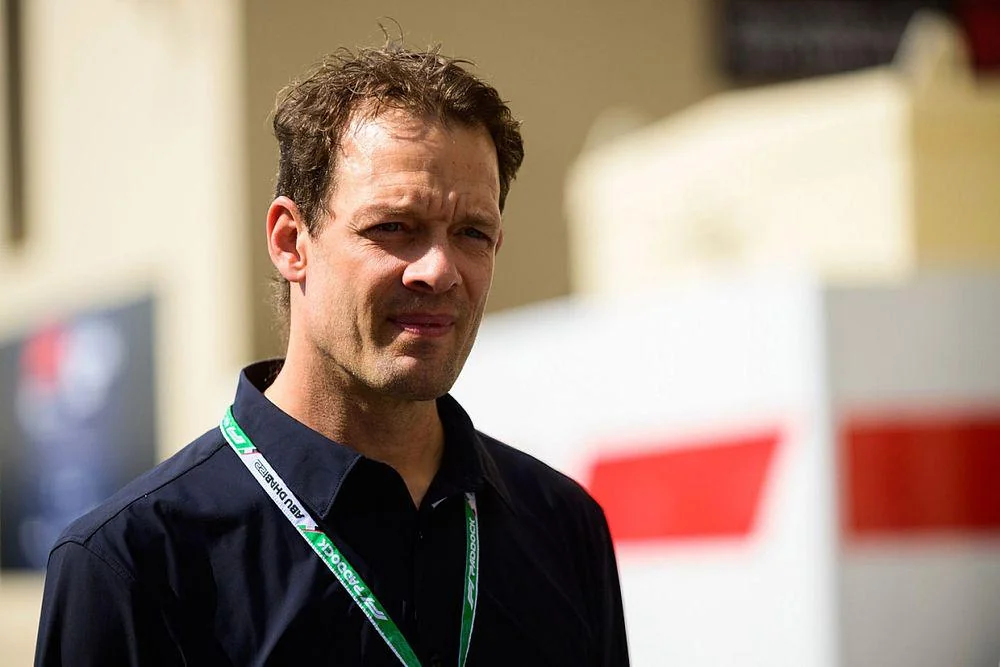
That tension is now spilling directly into the driver ranks.
GPDA President Alexander Wurz has confirmed that the drivers’ WhatsApp group is “exploding” with discussion—full of emotion, debate, and attempts to push for change. While fans joke about memes filling the chat, the underlying reality is far more significant: the drivers are actively trying to influence the direction of the sport.
But even here, there’s complexity. Not all drivers benefit equally from change. Some may gain from the current system, others lose. That creates internal conflict—something fans are already anticipating.
And there’s a deeper caution baked into the reaction: previous driver-led pushes have sometimes led to unintended consequences. Advocacy matters, but it doesn’t guarantee better outcomes.
Still, the key shift is undeniable—drivers are no longer passive participants in regulation cycles. They are pushing back.
Alpine and the Growing Problem of Fan Narratives
While teams and drivers wrestle with technical and political issues, another battle is playing out online.
Alpine’s open letter addressing abuse and conspiracy theories surrounding Franco Colapinto underscores how far fan discourse has drifted. The team’s message—reaffirming equal machinery—comes amid persistent claims of sabotage, fueled by segments of the fanbase.
What stands out isn’t just the conspiracy itself, but how normalized these situations have become. Teams issuing statements to counter harassment is no longer surprising—it’s routine.
There’s also a growing divide between criticism and toxicity. Many fans are frustrated with performance, engineering decisions, or strategy. But others are crossing into personal attacks and threats, forcing teams into defensive communication.
The broader conclusion emerging from the discussion is uncomfortable: this isn’t just an F1 problem—it’s a social media problem that F1 is now fully exposed to.
Ricciardo, Retirement, and the Human Side of F1
Amid all the structural and technical noise, Daniel Ricciardo’s reflections on retirement cut through with rare clarity.
His message is simple: remove ego, be honest with yourself, and accept when something is no longer there. What resonated most wasn’t just the advice—it was the admission that he couldn’t fully accept it until the decision was made for him.
That vulnerability struck a chord across the fanbase. Ricciardo’s legacy isn’t being framed around statistics alone, but around personality, accessibility, and his role in bringing new fans into the sport.
At the same time, his career arc has reignited debate about performance decline. Was it confidence? Car characteristics? Timing? Environment? The consensus leans toward a combination—reinforcing that F1 success is rarely about raw talent alone.
And importantly, it reframes expectations. Drivers like Alonso and Hamilton aren’t the norm—they’re exceptions. Most careers don’t follow that trajectory.
Antonelli and the Fine Margins of Talent Identification
The discussion around Kimi Antonelli adds another layer to F1’s decision-making complexity.
A reported comment that Ferrari rejected him for being “too small” has largely been dismissed as a mistranslation—likely meaning “too young.” But regardless of wording, the situation highlights how uncertain early talent evaluation is.
Teams operate with different timelines, philosophies, and risk tolerances. Some recruit early, others wait. And for every successful prospect, there are many who don’t make it.
What looks like a mistake in hindsight may have been a rational decision at the time. That uncertainty is part of the system.
Stroll, GT3, and Reframing Driver Perception
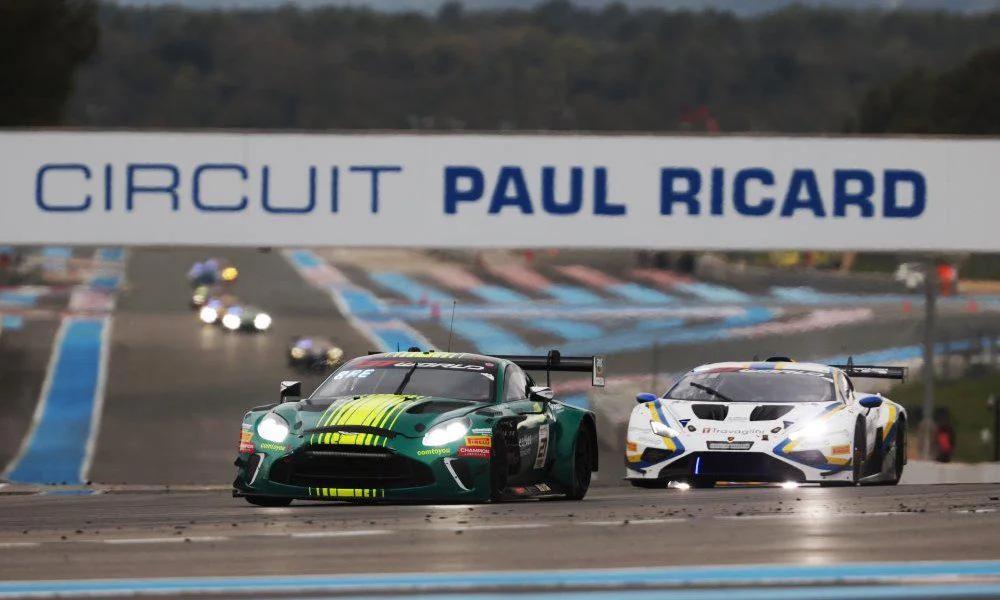
Lance Stroll’s surprise GT3 debut offers a different kind of storyline—one centered on perspective.
Reaction to the move has been notably more balanced than typical F1 discourse around him. There’s genuine curiosity about how he performs outside the F1 environment, and a recognition that F1 is uniquely demanding and specialized.
GT3 racing, with its closer competition and larger grids, is being positioned as a proving ground—not necessarily of elite status, but of broader capability.
It also reflects a subtle shift: Stroll isn’t being judged solely through the lens of F1 anymore.
So Where Does F1 Go From Here?
Across all these threads—Audi’s structure, 2026 regulations, driver activism, fan behavior, and individual careers—a single theme emerges:
F1 is trying to balance too many identities at once.
- A technological frontier vs a driver-centric sport
- A global entertainment product vs a pure competition
- A manufacturer playground vs a fan-driven spectacle
Right now, those tensions aren’t resolved—they’re colliding.
And that’s why everything feels louder: the rules, the reactions, the debates, even the group chats.
Because for the first time in a while, Formula 1 doesn’t just have a competitive battle.
It has an existential one.