

Formula 1 is back. Officially, at least.
After an extended and awkward pause in the calendar, the championship resumes in Miami — a race that should signal momentum. Instead, it arrives with a surprising undercurrent: a fanbase that feels oddly disconnected from a season that, by all accounts, never fully got going.
A Season That Feels Like It Never Started
The return to racing should feel like a reset. Instead, the dominant sentiment is confusion — even indifference.
The long gap between races has clearly taken a toll. The early-season momentum didn’t just stall; it evaporated. What should have been a buildup instead felt like a break that overstayed its welcome, leaving many struggling to re-engage.
There’s a sense that the season exists in fragments — stop-start phases that disrupt continuity. Miami isn’t just another race; it’s being framed, almost jokingly, as a reboot. Not the continuation of a championship, but the beginning of “part two.”
That perception is reinforced by the structure itself. Even as the calendar ramps up after Miami, the damage may already be done. A championship thrives on rhythm — narrative arcs, evolving rivalries, incremental development. Instead, this season has felt disjointed, with momentum repeatedly interrupted before it can take hold.
And when momentum disappears, so does emotional investment.
Miami: Spectacle Over Substance?
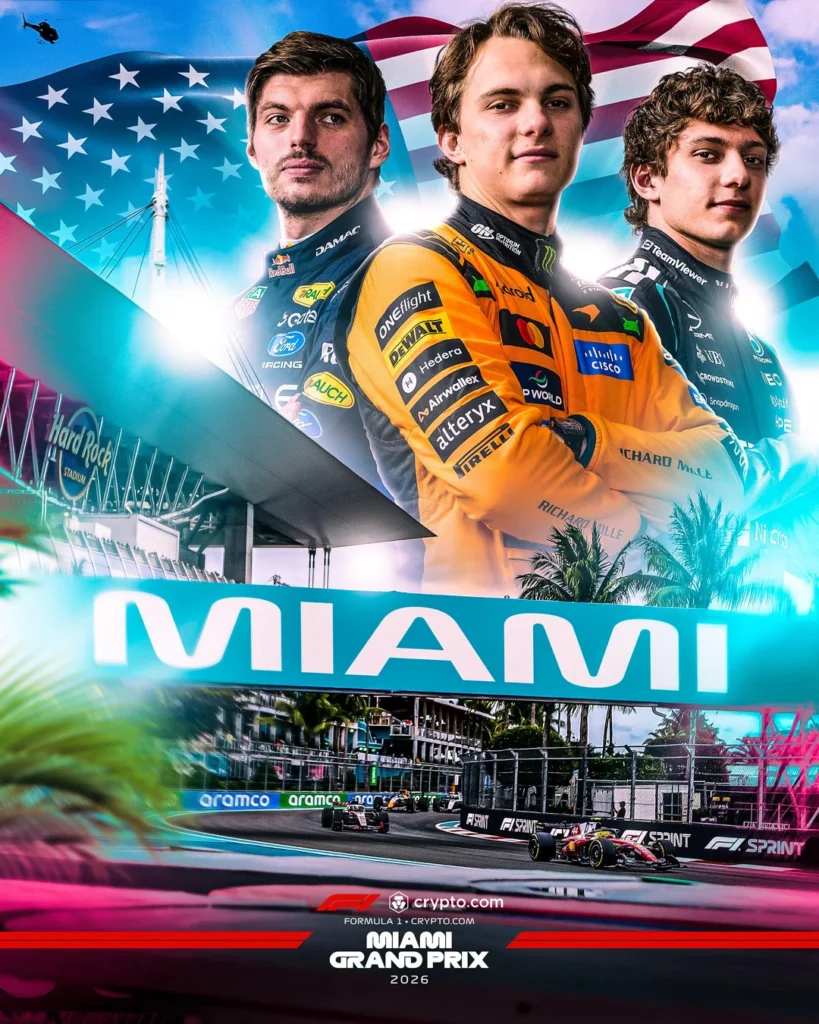
Miami’s return doesn’t necessarily solve that problem.
There’s skepticism around the race itself — not just because of the break preceding it, but because of its reputation. For many, Miami hasn’t yet proven itself as a must-watch sporting contest. That skepticism now intersects with a broader issue: if the racing doesn’t deliver, there’s little left to sustain interest.
That puts pressure on Miami to do more than just exist on the calendar. It has to re-engage an audience that has drifted.
At the same time, there is cautious curiosity. The break has at least created space for teams to develop — and Miami may serve as the first real indicator of who has improved and who hasn’t. But even that comes with a caveat: interest in technical progress only matters if fans are still invested enough to care.
The American Angle: Two Teams, No Podiums
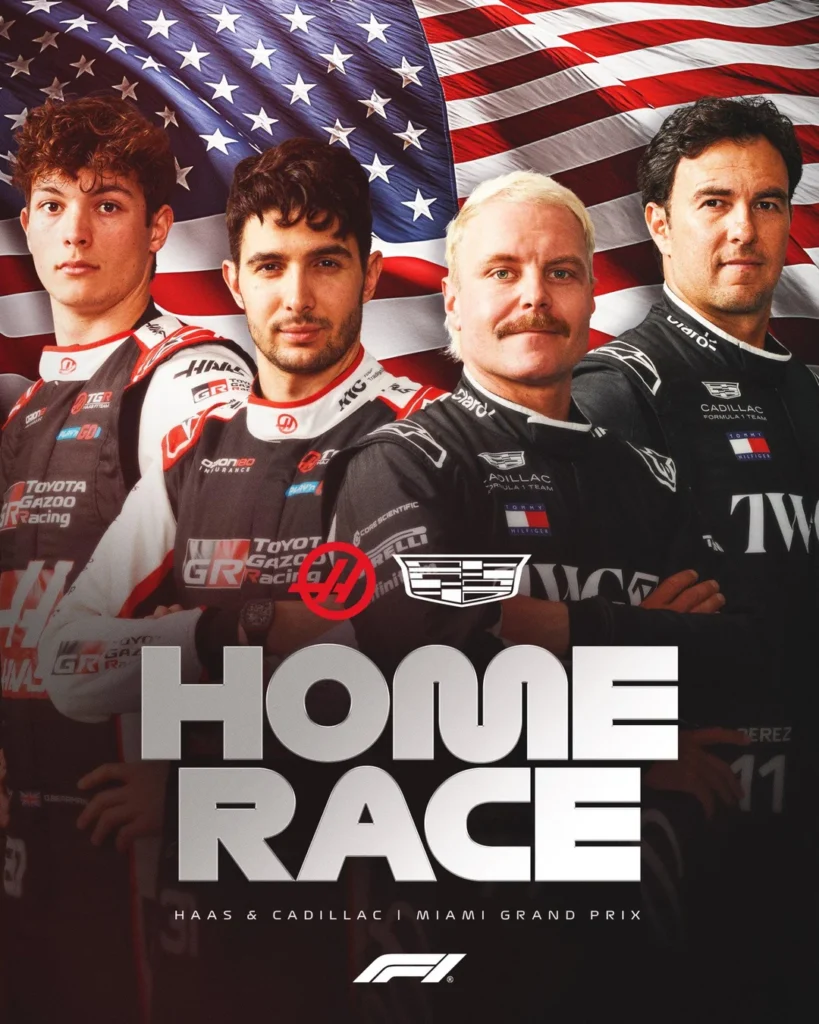
Heading stateside also brings a renewed spotlight on Formula 1’s American presence — particularly its two “home” teams.
On paper, it’s a compelling narrative. In reality, it’s more complicated.
Both teams arrive without a podium to their name, a stat that hasn’t gone unnoticed. But the comparison between them reveals something deeper than results.
Haas, despite its longevity, still struggles to feel like a true American team in the eyes of many. Cadillac, by contrast, carries a different weight — not just as a new entry, but as a recognizable automotive identity with cultural significance.
That distinction matters. One feels like ownership; the other feels like representation.
It’s telling that excitement around Cadillac often centers on what it could become, while sentiment around Haas reflects what it hasn’t been. The contrast highlights a broader truth: identity in Formula 1 isn’t just about nationality — it’s about authenticity.
And in a market as commercially important as the United States, that distinction carries real implications.
Off-Track Dominance: When Marketing Becomes the Story

If the on-track product has struggled to maintain attention, the off-track narrative has had no such issue.
In fact, it may be dominating too much.
From streaming integrations to brand campaigns, Formula 1’s presence in entertainment continues to expand. But not all of it is landing cleanly. Attempts to embed the sport into broader media ecosystems are increasingly being seen as overly manufactured — less organic storytelling, more algorithm-driven exposure.
That perception extends beyond one show or one campaign. There’s a growing sense that Formula 1 is being packaged in a way that prioritizes accessibility over authenticity.
The shift toward personality-driven storytelling — focusing on drivers’ lives, relationships, and image — has undeniably expanded the audience. But it has also created tension.
For some, it humanizes the sport. For others, it dilutes it.
The balance is delicate. When coverage leans too heavily into off-track narratives, it risks sidelining the very thing that sustains long-term engagement: the racing itself.
And that tension is becoming harder to ignore.
Branding Overload: From Campaigns to Costumes
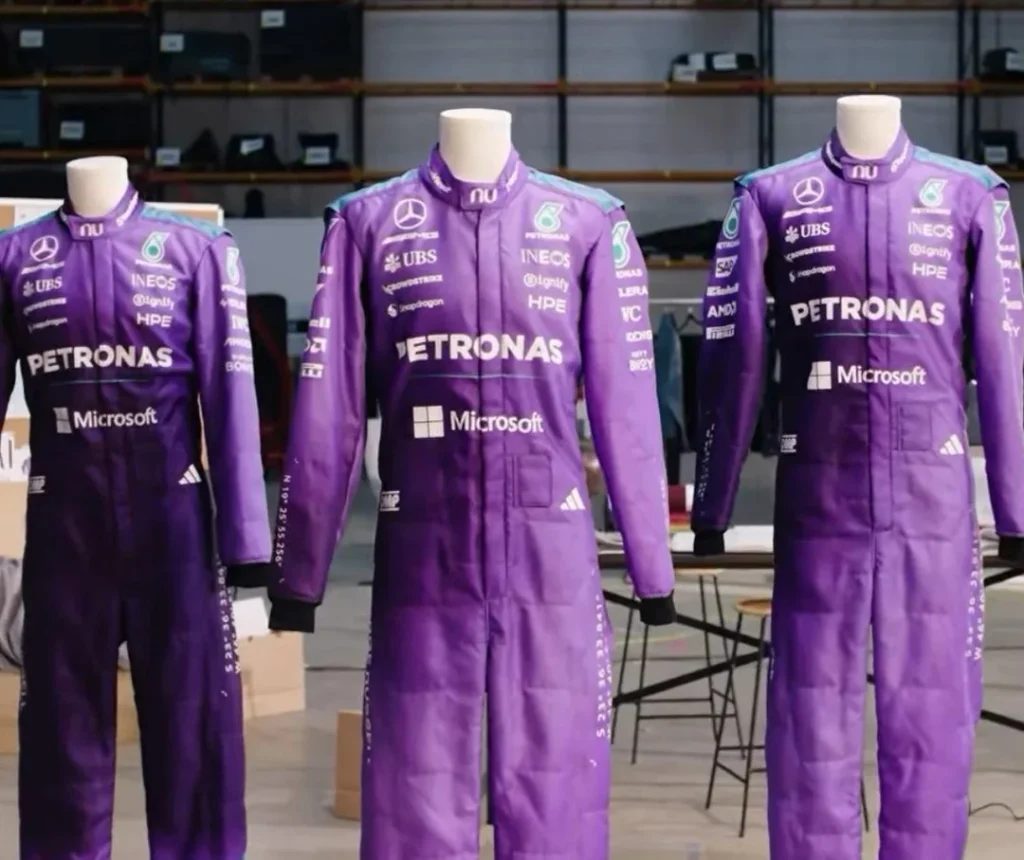
Nowhere is that imbalance more visible than in the visual identity of the sport.
Miami, predictably, brings another wave of special editions — liveries, suits, and marketing tie-ins designed to capitalize on the event’s commercial profile. But rather than excitement, the reaction has been mixed at best.
Some designs have been met with outright confusion, with criticism centered on aesthetics, coherence, and identity. The issue isn’t just whether they look good — it’s whether they feel meaningful.
When every race becomes an opportunity for reinvention, consistency starts to disappear. And with it, a sense of identity.
That’s a recurring theme across the grid. The push toward sponsor-driven visuals, while commercially logical, can come at the expense of brand clarity. Teams risk becoming vehicles for partnerships rather than distinct entities with recognizable identities.
It’s a trade-off — and one that fans are increasingly aware of.
The Bigger Problem: Who Is F1 Actually For?
All of this feeds into a larger question that sits at the center of the current moment: what is Formula 1 trying to be?
The debate around future engine regulations offers a parallel example. The balance of power between governing bodies, teams, and manufacturers has become a focal point — not just for technical reasons, but for what it represents.
Too many stakeholders, too many competing interests, and a final product shaped by compromise rather than vision.
That same dynamic appears off-track. Commercial growth, manufacturer priorities, media partnerships — each plays a role in shaping the sport. But the cumulative effect can feel unfocused.
When everything is optimized for a different audience, the core identity becomes harder to define.
Is Formula 1 a sport first? A global entertainment product? A marketing platform?
Right now, it feels like all three — and not always in harmony.
A Critical Moment in the Season
Miami doesn’t just mark the return of racing. It represents a turning point.
After a fragmented start, the championship now has a chance to build sustained momentum. The schedule ahead is packed, the opportunities are there, and the narrative can still be reshaped.
But that requires one thing above all else: the racing needs to matter again.
Because if Miami comes and goes without delivering a compelling on-track story, the concern isn’t just about one race.
It’s about a season that risks slipping away before it ever truly began.