

Formula 1’s summer break is almost over, and the paddock is returning to a season that feels far less settled than the championship standings might suggest.
Andrea Kimi Antonelli still appears to have control of the title fight, but the final nine races will be packed into just 11 weeks, McLaren looks increasingly capable of fighting for wins, Mercedes still has unanswered questions around George Russell’s car, Ferrari is trying to build on its recent progress, and Max Verstappen remains an obvious threat if Red Bull finds another gear.
Meanwhile, Cadillac has somehow managed to generate nearly as much intrigue off the track as on it, Yuki Tsunoda may be preparing for life beyond Formula 1, and even the drivers’ holiday photos have provided reminders that there really is no such thing as a quiet F1 summer break.
The Biggest Post-Break Threat May Be McLaren
If there is one team that appears capable of making the biggest competitive jump after the break, McLaren is probably the safest answer.
The team was already beginning to move toward the front before the shutdown, and there are further upgrades expected at Zandvoort and Baku. The important caveat is that McLaren has also acknowledged fundamental limitations with this year’s concept. Its short wheelbase and gear ratios cannot simply be redesigned in the middle of the season, meaning there may still be tracks where the car struggles regardless of development.
That makes the rest of 2026 less about transforming the car into something completely different and more about extracting as much as possible from a flawed foundation. The upside is obvious. If McLaren can consistently place Lando Norris into the fight with Mercedes and Ferrari, the top of the grid suddenly becomes much more crowded.
A six- or seven-driver fight for wins involving both Mercedes drivers, both Ferraris, Norris and potentially Verstappen or Oscar Piastri would transform the final third of the season even if Antonelli ultimately remains too far ahead to catch. Norris may already be too far back for a realistic title charge, but a strong second half could still change how the entire season is remembered. It could also make McLaren considerably more dangerous heading into next year. If 2026 ultimately becomes the season where the team discovered what was wrong with its concept, understood how to develop around those weaknesses and carried those lessons forward, a missed championship opportunity may still produce something useful.
And perhaps McLaren should focus on that instead of asking the internet to tell jokes.
McLaren Asked for Jokes. The Internet Remembered the Strategy Department
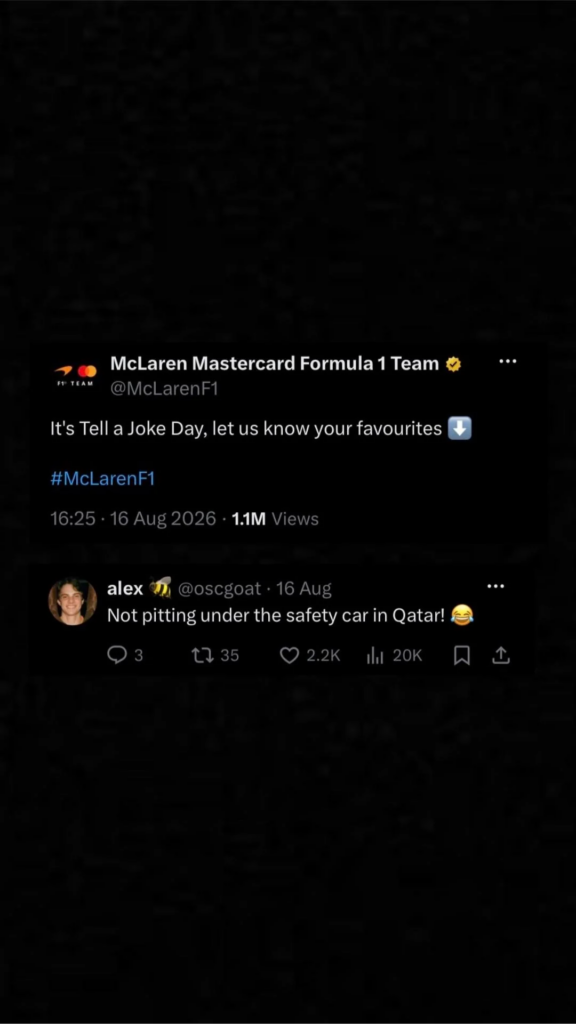
McLaren celebrated Tell a Joke Day by asking fans to submit their favorites.
This was either brave social media management or an extremely deliberate engagement trap. Predictably, a significant portion of the replies became jokes about McLaren itself. The Canadian Grand Prix strategy was an especially easy target.
Starting on intermediates initially looked like one of those decisions where you briefly wonder whether McLaren has seen something nobody else has. Then the tires began cooking. There is at least more nuance to that decision than simply blaming the strategists.
Both drivers were involved in the discussion around starting on intermediates, and the circumstances around the extra formation lap made a risky decision even worse. Once the wrong tire had been selected, however, the options became damage limitation rather than genuine recovery. There have been far less defensible McLaren strategy mistakes.
That did not stop the internet from treating the social media post like an open invitation to unload several seasons of accumulated trauma. Perhaps that was the point. Modern Formula 1 social media is increasingly designed around brands accepting that being mocked can be useful.
If thousands of people are replying, reposting and discussing the post elsewhere, the account still wins. McLaren knows its audience. Nobody managing an account of that size accidentally discovers that fans remember every questionable strategy call.
Sometimes the joke is the engagement metric.
Antonelli Still Has Control — But the Calendar Could Become His Biggest Opponent
The simplest prediction for the second half of the year is also the least exciting one.
Antonelli keeps winning. Mercedes keeps producing the strongest package. Toto Wolff smiles while insisting Ferrari and McLaren remain dangerous.
Everyone else gradually realizes the championship is over. That may ultimately be what happens. But nine races in 11 weeks introduces another variable.
Nearly 40 percent of the season will be completed in less than three months. That creates pressure not only on drivers but on engineers, mechanics and entire organizations. Mistakes become easier when people are exhausted.
Small reliability problems become more damaging when there is less recovery time. A poor weekend can immediately be followed by another race before a team has properly understood what went wrong. Antonelli has also spent much of the season without sustained pressure during races.
That is not criticism. Driving at the front and converting opportunities is part of becoming a champion. But if McLaren and Ferrari genuinely close the gap, or Russell finally becomes consistently competitive again, Antonelli may spend the final portion of the season having to defend rather than control.
That changes the psychology. A couple of poor races could suddenly bring Russell, Lewis Hamilton, Charles Leclerc, Norris and Verstappen closer than anyone expects. There has already been debate over how much Antonelli has benefited from circumstances compared with Russell, although he has also lost significant points through reliability himself. Every metric looks different depending on what context is included.
That is particularly relevant this season because so many drivers appear to be struggling with the new-generation cars.
Russell Needs a Reset as Much as Mercedes Does
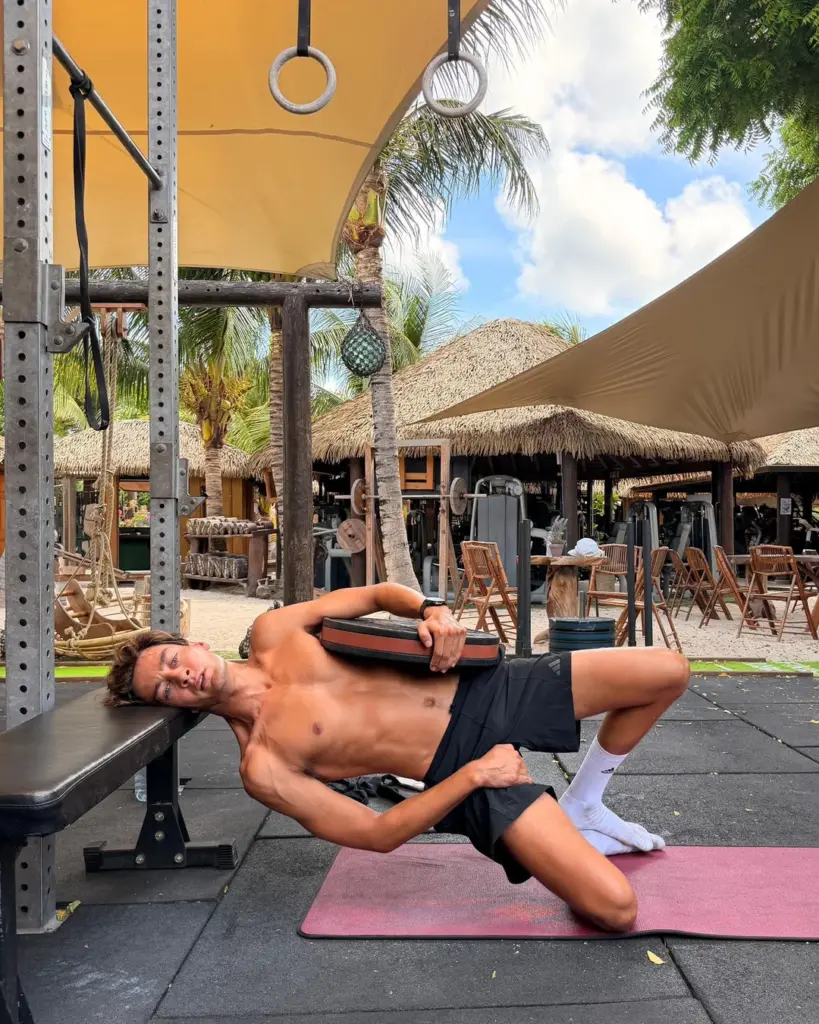
George Russell’s summer break apparently involved three things.
Rest. Training. Fiancée.
And a neck that increasingly looks like it belongs to a completely different species than the rest of his body. F1 drivers already have unusual physiques because of the forces they experience in the car, but Russell’s holiday training photos managed to make that contrast particularly obvious. One image of him training his neck while holding a large weight plate looked less like exercise and more like something normal people would attempt immediately before needing medical attention.
The holiday photos were otherwise remarkably relatable for somebody whose vacation also apparently involved yacht chess. Russell can spend much of the year being professionally photographed, then immediately pose for a casual vacation picture like someone’s father who was reluctantly told to stand next to a scenic overlook. Oscar Piastri appears to suffer from the same condition.
That may be the true F1 driver experience. Millions of dollars. Monaco apartments. Elite athletic performance.
And absolutely no idea what to do with your arms when your partner says, “Smile.”
For Russell, though, the break may genuinely have come at the right time. His bizarre car issues have complicated the first half of the season, and Mercedes needs him closer to Antonelli if the team wants to avoid the championship becoming a one-driver story. The best version of the final nine races is not necessarily Antonelli collapsing. It is Russell recovering enough pace to fight him.
Add Ferrari and McLaren into that equation and even a championship with an obvious favorite becomes much more entertaining.
Oscar Piastri Continues His Campaign to Look Mildly Uncomfortable in Every Vacation Photo
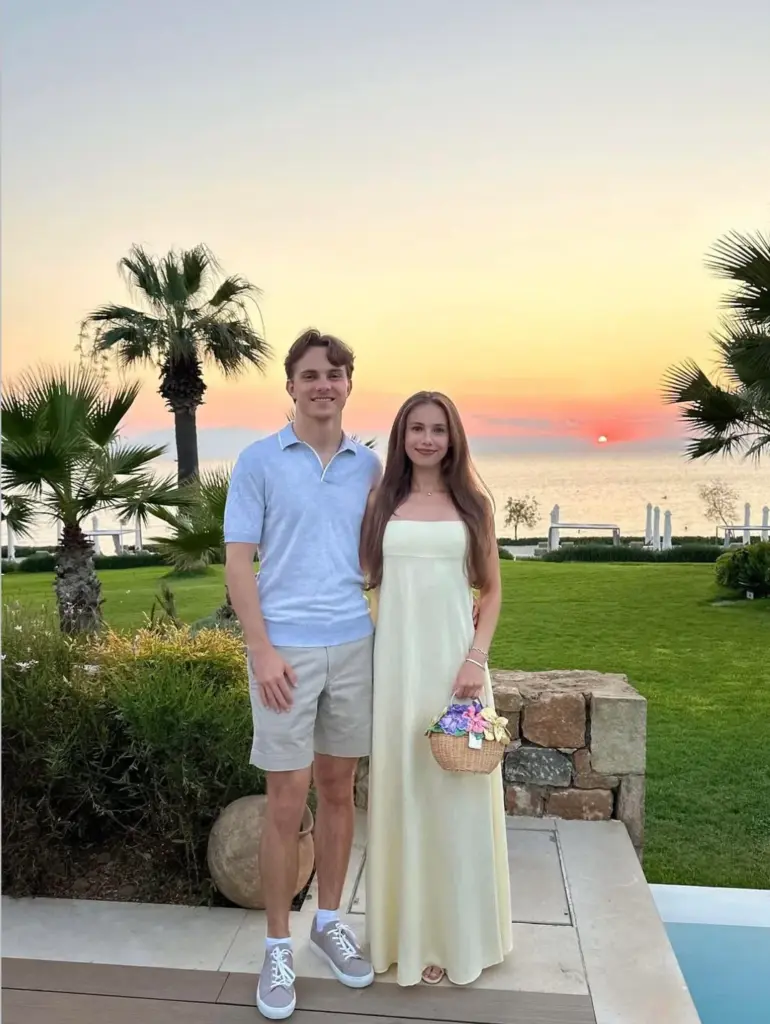
Piastri’s annual European summer photo dump confirmed that some things are more consistent than Formula 1 regulations.
He still looks like his girlfriend asked him to pose and he agreed on the condition that the entire process lasted less than 30 seconds. There is something oddly relatable about it. He has the expression of a man who understands that photos are part of the vacation agreement but would personally be satisfied remembering the trip without documentary evidence. The difference is that most people displaying this behavior do not also have millions of dollars, an apartment in Monaco and a Formula 1 career.
His wardrobe also continues to give off strong “might play golf shortly” energy.
There is a growing suspicion that somewhere underneath the McLaren race suit is simply another polo shirt. Piastri’s photos also reopened one of the lowest-stakes conspiracy theories in Formula 1: whether several drivers effectively have the same Instagram personality. Lando Norris, Charles Leclerc and Piastri all occasionally post in similarly quirky formats, although there are enough moments that feel unmistakably individual to suggest either separate social teams using similar optimization strategies or extremely good managers capable of replicating each driver’s voice. Max Verstappen may remain the easiest driver to detect when he has personally contributed.
His posts can occasionally feel so different from the normal presentation that they might as well arrive with a disclaimer saying “Max found the upload button.”
Behind the jokes, though, Piastri’s break also highlighted something much more serious. He has spoken about how difficult it was leaving Australia as a young driver and spending long stretches of time in Europe away from family and friends. While European junior drivers could often return home between events, Australians face a dramatically different geographical reality.
Even Singapore, the closest race to Australia, remains hours away. For drivers from Australia, New Zealand, South America and other distant regions, reaching Formula 1 often requires moving away from home at an age when most people are nowhere near ready to live independently.
That sacrifice rarely appears in lap-time comparisons.
Yuki Tsunoda May Be Looking Beyond Formula 1
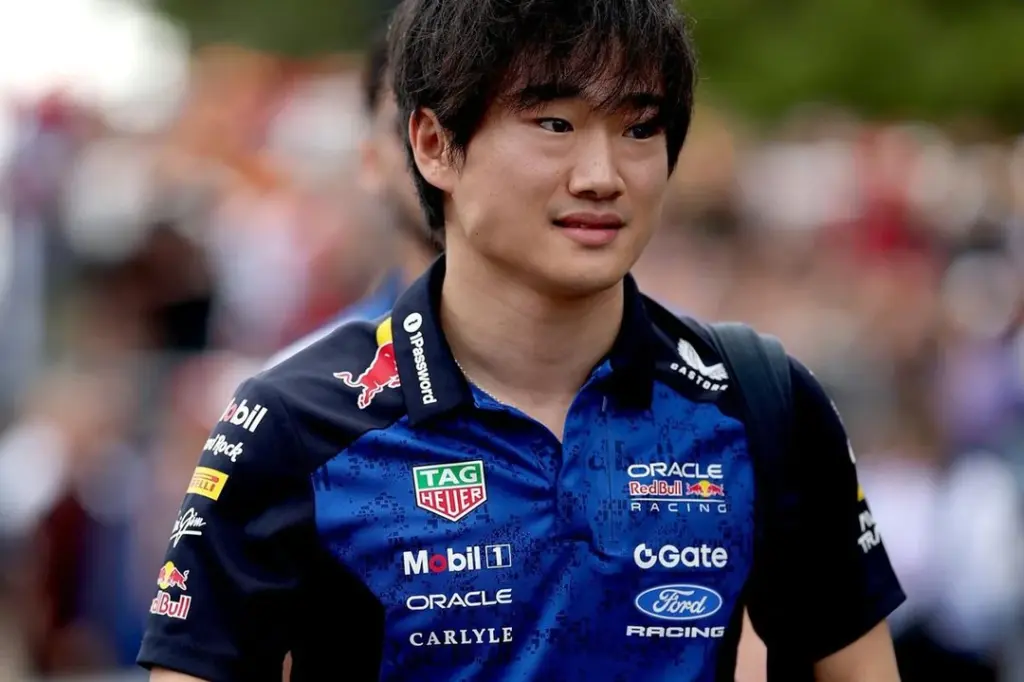
Yuki Tsunoda is reportedly in talks regarding a 2027 IndyCar seat with Meyer Shank Racing.
If it happens, it may be the smartest possible move for his career. The obvious question is whether Tsunoda still has a realistic path back to Formula 1. The pessimistic answer is no.
He has already spent significant time in F1, and unlike Alex Albon when he temporarily disappeared from the grid, Tsunoda would not be leaving after only a couple of seasons with significant room for teams to reconsider what he might become. There are occasional exceptions. Nico Hülkenberg returned after reserve appearances reminded teams what he could do.
Nyck de Vries, Liam Lawson and Oliver Bearman all turned substitute opportunities into larger chances. Formula 1 can be unpredictable. But building an entire career around hoping someone becomes unavailable is not much of a plan.
IndyCar would allow Tsunoda to race. That alone has value. It would give him a chance to build a reputation independent of the Red Bull environment rather than spend a year standing inside a garage waiting for an emergency.
And if Formula 1 never calls again, that does not make the move a failure. There are plenty of successful careers outside F1.
The more interesting complication is that Tsunoda may be competing for the same Meyer Shank opportunity as Mick Schumacher.
Tsunoda Versus Schumacher Could Become the Strangest F1 Exile Battle
On pure Formula 1 résumé, there is a reasonable argument that Tsunoda showed more than Schumacher.
Schumacher supporters would counter that the circumstances were completely different. Mick received two seasons. Tsunoda received significantly more time to develop.
Schumacher spent his rookie season in an extremely poor car before facing Kevin Magnussen in year two. Tsunoda had manufacturer backing and remained inside the Red Bull system long enough to show clear improvement. There is no clean comparison.
There rarely is in Formula 1. What makes the Meyer Shank situation particularly interesting is that the decision may have less to do with their old F1 records than with what they can offer now. Schumacher has apparently shown promising oval pace.
Tsunoda’s oval adaptability would be unknown. Tsunoda brings Honda connections. Schumacher brings his own commercial value and backing.
MSR reportedly wants funding attached to the seat. That means “who was better in Formula 1?” may ultimately matter less than “who gives Meyer Shank the strongest sporting and financial package?”
It would be almost poetic if two drivers whose F1 careers were endlessly debated eventually found themselves competing for the same IndyCar seat.
Cadillac’s Summer Break Has Become Much More Complicated
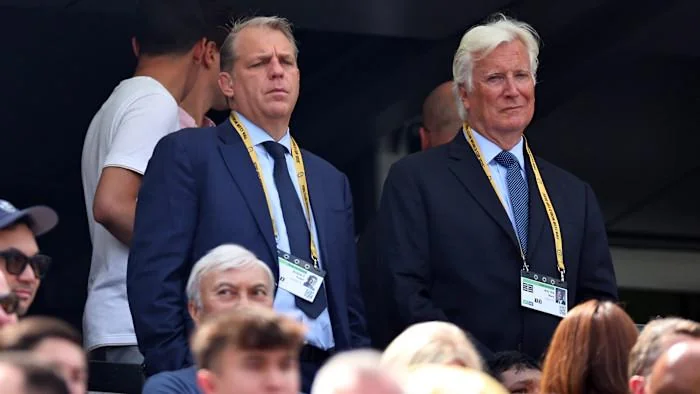
Cadillac, meanwhile, may have bigger concerns.
Mark Walter, associated with Cadillac’s ownership structure, is reportedly in talks to sell his stake in Chelsea FC after previously selling the Los Angeles Lakers following only 14 months of ownership. His businesses, including TWG, are also under federal investigation in the United States. None of that automatically tells us what happens to Cadillac’s Formula 1 program.
But it creates an obvious question. What happens if TWG’s position changes? General Motors could theoretically take greater control.
Another investor could enter. The current structure could continue. Michael Andretti’s name will inevitably be mentioned because of the history surrounding the project, although there is a substantial difference between being wealthy and being wealthy enough to buy back into a modern Formula 1 team.
That difference is measured in enormous numbers. The speculation is particularly interesting because Formula 1 spent so long resisting the original Andretti proposal before the project evolved into Cadillac and gained the support required to enter. Now the team exists.
Once an F1 entry becomes an established asset, ownership becomes an entirely different problem. Teams have become extraordinarily valuable under the current commercial environment. Buying into one is difficult.
Selling a stake can be extremely profitable. The irony is difficult to miss. F1 once worried about who should be allowed to own a new team.
Once that team exists, ownership can potentially change anyway. For now, there is no reason to assume Cadillac is disappearing.
But the investigation and Walter’s other asset sales create enough uncertainty that the situation is worth watching.
Cadillac Has Also Apparently Brought Half of America to Zandvoort
As if that were not enough Cadillac content for one summer break, a huge convoy of trucks heading toward Zandvoort generated its own questions.
The funniest explanation is that Cadillac has simply brought enough spare brakes, fire extinguishers, hopes and dreams to survive the weekend. The more realistic answer appears to involve the team’s enormous hospitality structure. Its motorhome reportedly consists of 36 pieces and requires 21 trucks.
Which raises another question. At what point does a motorhome stop being a motorhome and become temporary urban development? There is apparently even a fireplace.
Nothing says essential Formula 1 infrastructure quite like transporting a multi-story building across Europe so somebody can sit next to decorative flames while discussing sponsorship. But that is also part of modern F1. Hospitality is not simply a luxury.
Teams entertain sponsors, partners and potential business relationships there. Spending millions finding one or two tenths can move a car slightly higher in the standings. Putting the right commercial partner in the right room can potentially fund those millions in the first place. Still, 21 trucks is very Cadillac.
If an American team is going to bring a motorhome, apparently it is going to bring the entire neighborhood.
Mark Webber Remains One of F1’s Strangest Championship Statistics
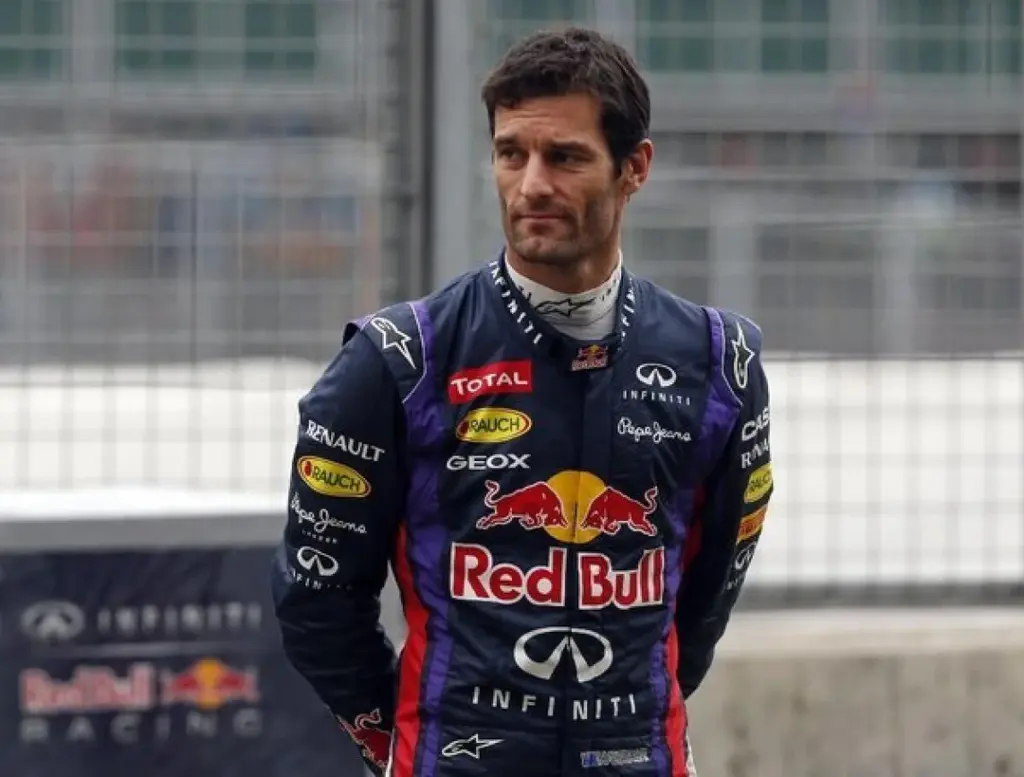
The summer break also produced a wonderful historical statistic.
Mark Webber is the only Formula 1 driver whose teammate won the World Championship four times without Webber himself ever finishing inside the top two. Rubens Barrichello had championship-winning teammates six times, while Valtteri Bottas and Sergio Pérez each experienced it four times. But all three at least finished first or second in the standings themselves at some stage.
Webber never did. That inevitably reopened the Vettel debate. 2011 and 2013 were dominant championships.
2010 and 2012 were not. In 2012 especially, Webber was still close to Vettel through the middle of the season before their trajectories separated dramatically. After 13 races, Vettel had 140 points.
Fernando Alonso had 179. Webber had 132. By the end of the season, Vettel had reached 281, Alonso 278 and Webber only 179.
Vettel effectively scored an entire additional championship-level total during those final seven races. That is not simply the car suddenly becoming unbeatable. Webber had access to it too.
One of the biggest differences appears to have been adaptability. Webber struggled with characteristics that Vettel could exploit, particularly around exhaust-blown aerodynamic behavior and the Pirelli tires. Vettel appeared comfortable trusting rear grip in situations that felt unnatural to Webber.
That is an underrated driver skill. Some drivers are incredibly fast when the car behaves the way they expect. Others can fundamentally change how they drive when engineers discover a completely new way of producing lap time.
That distinction may become increasingly relevant in 2026, when the regulations have again changed what drivers are being asked to do. Perhaps the drivers struggling now are not suddenly slow.
Perhaps they are simply discovering that being fast in one generation of Formula 1 does not guarantee being fast in another.
The Numbers Never Tell the Entire Story
That is also why midseason driver-rating models are simultaneously interesting and dangerous.
One mathematical model attempting to isolate driver performance by comparing teammates produced projections that could theoretically place Antonelli at an extraordinary level. But even the creator openly acknowledges the limitations. Some teammate relationships remain difficult to interpret.
Sample sizes are poor in places. Drivers such as Lance Stroll are not yet fully incorporated. Other ratings could change substantially if Russell or Esteban Ocon ultimately prove weaker than currently assumed.
That honesty matters. The problem is rarely the model itself. The problem is treating the output as revealed truth.
A number only means something within the assumptions that produced it. That applies equally to championship points, teammate comparisons, points share and almost every statistic used to argue about Formula 1 drivers. Numbers are not meaningless.
But context is not optional.
Johnny Herbert Has Reopened the Bias Debate
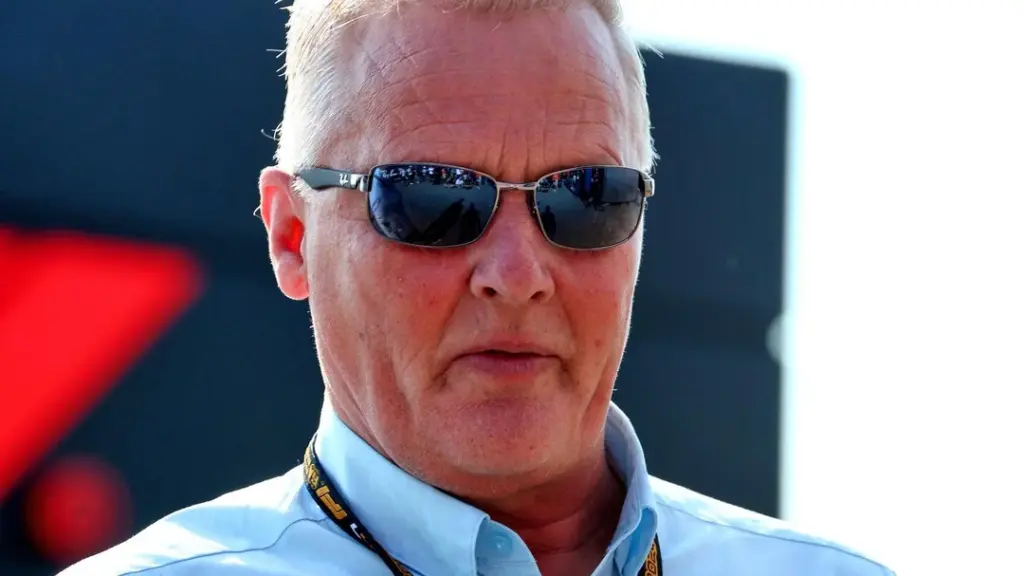
That distinction between opinion and authority is also central to the latest controversy involving Johnny Herbert.
Herbert criticized abusive diehard Verstappen supporters, but the discussion quickly shifted toward his own history as an FIA steward. The criticism is not that fans should be allowed to abuse officials. They should not.
The more uncomfortable question is whether somebody serving as a steward should publicly discuss national loyalties in the same way a fan would. Herbert reportedly said that naturally British supporters would support a British driver, comparing it with England playing the Netherlands in football, while also insisting that judgment could remain objective. Those two ideas do not sit particularly comfortably together when the person speaking has previously helped adjudicate Formula 1 races.
Fans are allowed to be biased. That is essentially part of fandom. Stewards cannot approach decisions that way.
Herbert’s removal was also discussed in connection with interviews given to gambling-related outlets regarding stewarding decisions, rather than simply being the result of complaints from Jos Verstappen. That distinction matters. The situation should not be rewritten into a simple story where one angry racing father caused a steward to lose his job.
There were wider professionalism concerns. The old Mexico 2024 Verstappen-Norris incidents also immediately resurfaced. There is still disagreement over the first penalty.
The second move remains far harder to defend. The bigger problem is that debates about stewarding often become debates about intent, precedent and inconsistency at the same time. Two people can watch the same incident and disagree about whether a driver was attempting a legitimate move, deliberately forcing a rival away or simply making a miscalculation.
That is exactly why consistency matters. Different stewarding panels interpreting rules differently from weekend to weekend only encourages fans to conclude that decisions are personal. Permanent stewards would not eliminate disagreement.
But a more consistent group applying the same standards repeatedly would at least remove one variable.
Formula 1 Is About to Get Very Busy
The summer break started with holiday photo dumps and expensive chessboards.
It is ending with development battles, ownership questions, driver-market rumors, stewarding arguments and a championship entering its most demanding stretch. Nine races in 11 weeks is going to expose weaknesses. Maybe Antonelli simply continues doing what he has done and turns 2026 into the beginning of a new era.
Maybe Russell finally gets comfortable. Maybe McLaren’s upgrades put Norris into regular victory contention. Maybe Ferrari keeps closing.
Maybe Verstappen finds enough performance to become the championship’s late-season chaos agent. And maybe Cadillac can unload all 21 trucks before somebody decides the hospitality building needs another fireplace. The summer break is over.
The quiet part of the season probably is too.