

Formula 1’s off-track storylines have exploded into life just two races into the season, with a sudden leadership shake-up at Audi, mounting intrigue around Aston Martin, and a contrasting display of long-term planning from Mercedes. What might have seemed like isolated developments now reads as a connected narrative about power, structure, and direction at the highest level of the sport.
Audi Loses Its Team Principal Overnight
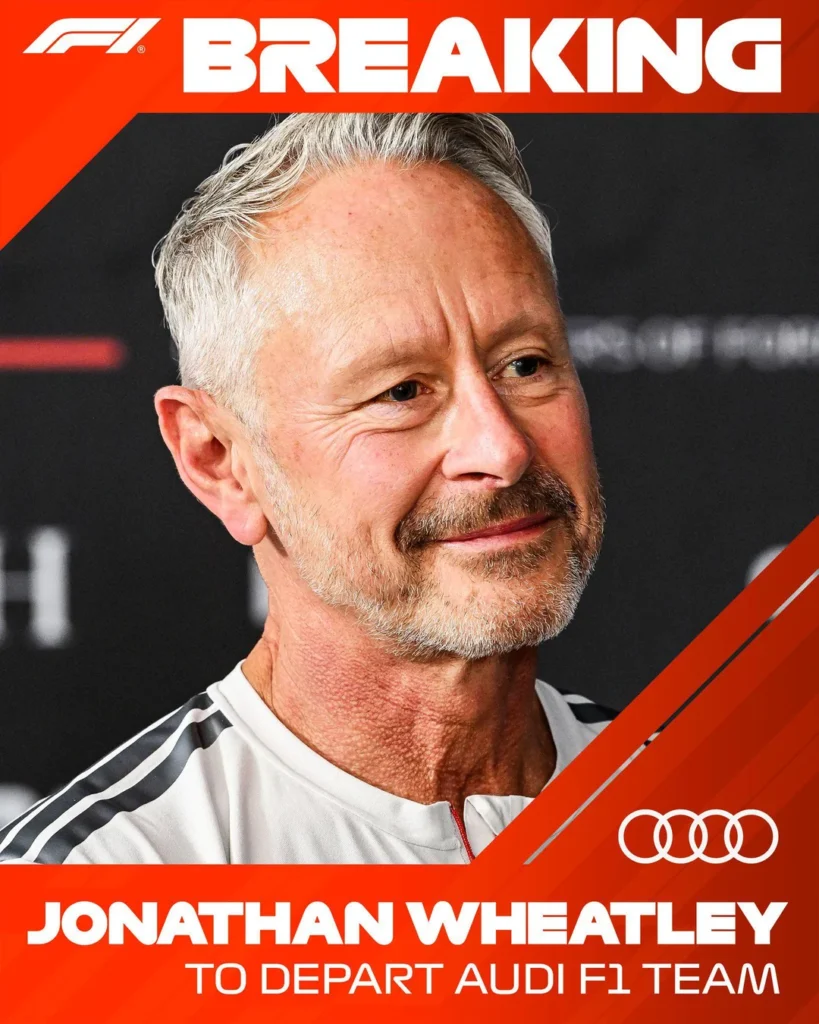
Audi confirmed that Jonathan Wheatley has departed his role as Team Principal with immediate effect, citing “personal reasons,” with Mattia Binotto stepping in to assume the position alongside his existing responsibilities leading the Audi F1 project.
The official framing was clean and controlled. The reaction was anything but.
Across the paddock, the sudden nature of the exit—so early into Audi’s F1 journey—was seen as a shock. The idea that a newly installed team principal would leave almost immediately raised eyebrows, with the timing itself becoming the story.
Rather than accepting the “personal reasons” explanation at face value, the dominant interpretation quickly shifted toward something more transactional. The move was widely viewed as financially motivated, with the language of “personal reasons” becoming shorthand for a lucrative external offer rather than a genuine step back from the sport.
At the same time, others pointed to more structural explanations. There were suggestions of internal friction between Wheatley and Binotto, with speculation that overlapping authority or differing visions may have made the arrangement untenable. In that context, the move begins to look less like a random departure and more like a forced resolution.
From Audi’s perspective, the implications are significant. Losing a key leadership figure at such an early stage introduces instability into what is supposed to be a long-term, carefully constructed project. While some believe the team has enough internal strength to absorb the change, others see it as a meaningful setback—particularly given the importance of continuity when building a works team from the ground up.
Aston Martin: Aggression or Chaos?
If Audi’s situation raised questions, Aston Martin’s role in all of this poured fuel on the fire.
Lawrence Stroll’s public statement attempted to shut down speculation, reaffirming Adrian Newey’s position and emphasizing that the team operates under a deliberately unconventional structure without a traditional Team Principal role. Newey, positioned as Managing Technical Partner, is framed as the central figure guiding the team’s technical and strategic direction.
Yet the tone and structure of the statement only intensified skepticism.
The messaging—particularly the claim that senior figures from other teams are regularly approaching Aston Martin—was widely interpreted as performative rather than persuasive. The contradiction between addressing speculation while claiming not to comment on it did not go unnoticed, reinforcing a broader sense that the team is reacting rather than controlling the narrative.
More broadly, Aston Martin is now seen as operating in a state of constant flux. Leadership reshuffles, role changes, and aggressive recruitment have created an environment that feels unstable from the outside. Even those supportive of the team’s ambition acknowledge that the frequency of change risks undermining cohesion.
However, there is a competing interpretation—one that frames this not as chaos, but as restructuring.
From this perspective, Aston Martin is doing exactly what a team should do when it identifies weaknesses: reshuffling responsibilities, bringing in proven talent, and allowing specialists to focus on their strengths. Adrian Newey stepping away from a temporary leadership role to concentrate on technical development is viewed not as a retreat, but as a correction.
Similarly, the broader leadership changes are seen as an attempt to align the organization more effectively rather than evidence of dysfunction.
Still, the optics remain difficult to ignore. The perception that Aston Martin is willing to spend heavily to secure talent—combined with ongoing performance struggles—has led to a narrative that the team is throwing resources at problems without clear results.
The Wider Context: Instability vs. Structure
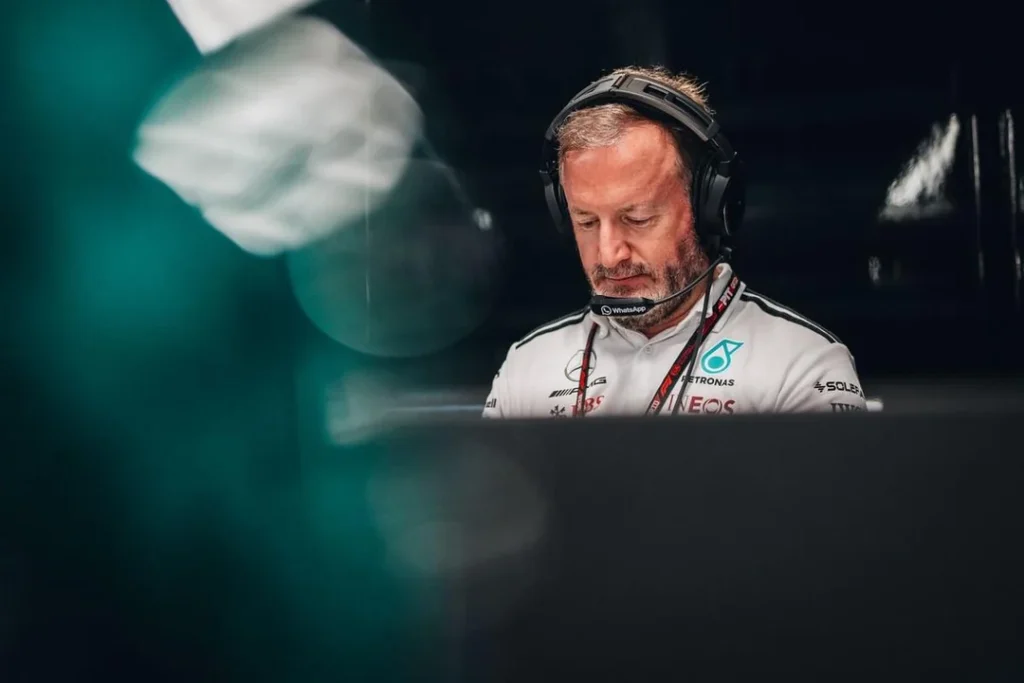
What makes this situation more compelling is how sharply it contrasts with what’s happening at Mercedes.
While Audi and Aston Martin navigate sudden departures and public scrutiny, Mercedes quietly announced Bradley Lord as deputy team principal—a move that fits seamlessly into a long-established pattern of internal succession planning.
Rather than reacting to external pressures, Mercedes appears to be executing a deliberate strategy: developing leadership talent from within, maintaining multiple succession pathways, and ensuring continuity regardless of when Toto Wolff eventually steps aside.
This approach has not gone unnoticed. The promotion is widely seen as part of a broader system designed to produce future team principals, with figures like James Vowles already representing successful outcomes of that pipeline.
In contrast to the turbulence elsewhere, Mercedes’ stability stands out. Even speculation around future leadership scenarios—whether internal promotions or potential external moves—centers on optionality rather than necessity.
A Paddock in Motion
Taken together, these developments paint a clear picture: Formula 1’s competitive landscape is being shaped as much by leadership decisions as by performance on track.
Audi faces early disruption at a critical stage of its project. Aston Martin continues to walk the line between bold transformation and perceived instability. Mercedes, meanwhile, reinforces its reputation for structure and long-term planning.
The common thread is that no team is standing still.
Even just two races into the season, the off-track battle for talent, control, and direction is already well underway. And if the speed of these changes is any indication, this may only be the beginning.