

If the 2026 Formula 1 season has a defining trait before a wheel has properly turned in anger, it’s this: the paddock and the fanbase are oscillating wildly between blind hope and brutal skepticism.
From Ferrari’s quiet confidence to Aston Martin’s public unraveling, from Lewis Hamilton’s 20-year reflection to debates over helmets, posters, and qualifying formats, the early narrative of 2026 is less about lap times, and more about belief.
Ferrari’s “Positive Surprise,” or Just Managed Expectations?
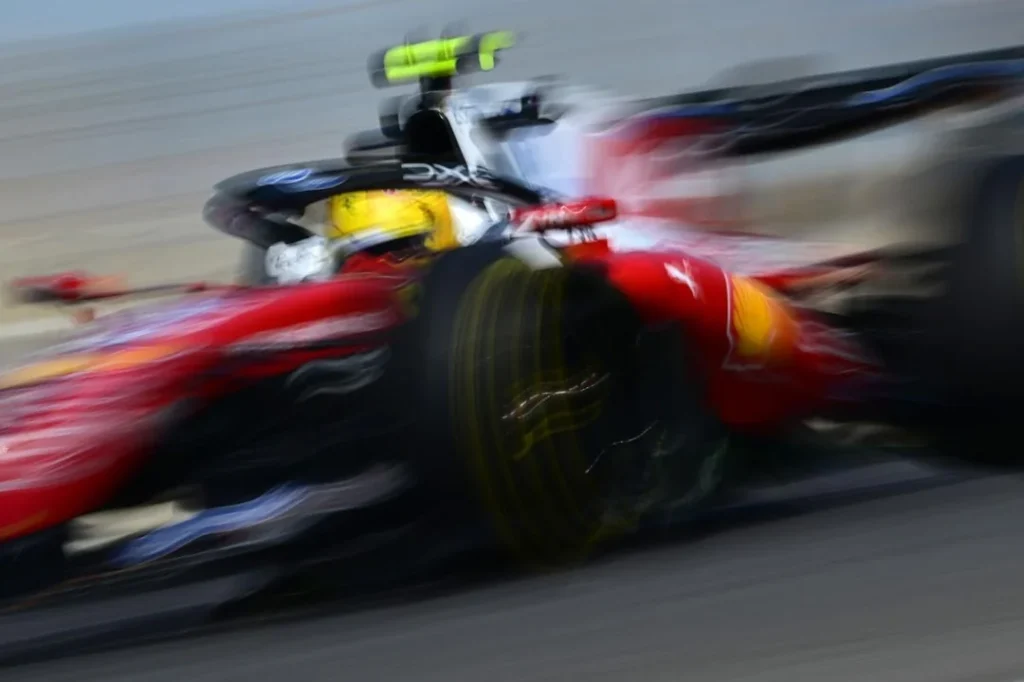
Ferrari saying the 2026 car has “positively surprised” internally has done exactly what it always does: reignited the annual cycle of Tifosi hopium.
On one side, there’s the unfiltered optimism. This is it. This is the year. After nearly two decades of waiting, surely the suffering has to cash out at some point. Charles Leclerc looking relaxed. Hamilton looking happy. The team calm instead of chaotic. Surely that means something.
On the other, there’s scar tissue. Ferrari doesn’t need regulatory intervention to lose momentum, history shows they’re more than capable of derailing themselves with a mid-season upgrade package. There’s already nervous humor about rear wings being banned in July or Mercedes suddenly revealing hidden pace.
The most grounded take? Ferrari isn’t unusually loud, they’re just quieter than the circus around them. Let Mercedes carry the “power advantage” headlines. Let the sandbagging discourse spiral. Ferrari appearing calm may simply be Ferrari staying out of the spotlight rather than telegraphing anything revolutionary.
Testing narratives have already ballooned into mythology. “Sandbagging” has practically become a magic spell, invoked so often it’s lost measurable meaning. Yes, teams hide performance. No, it’s not binary. And no, 2014 trauma doesn’t automatically mean Mercedes is about to lap the field.
At this point, most of the top teams appear broadly satisfied. What that means for Melbourne? It could be first. It could be fourth. The real differentiator will be in-season development.
And for Ferrari, hope remains both weapon and weakness. Disappointment cannot exist without belief.
Aston Martin: From “Turning Point” to Public Spiral
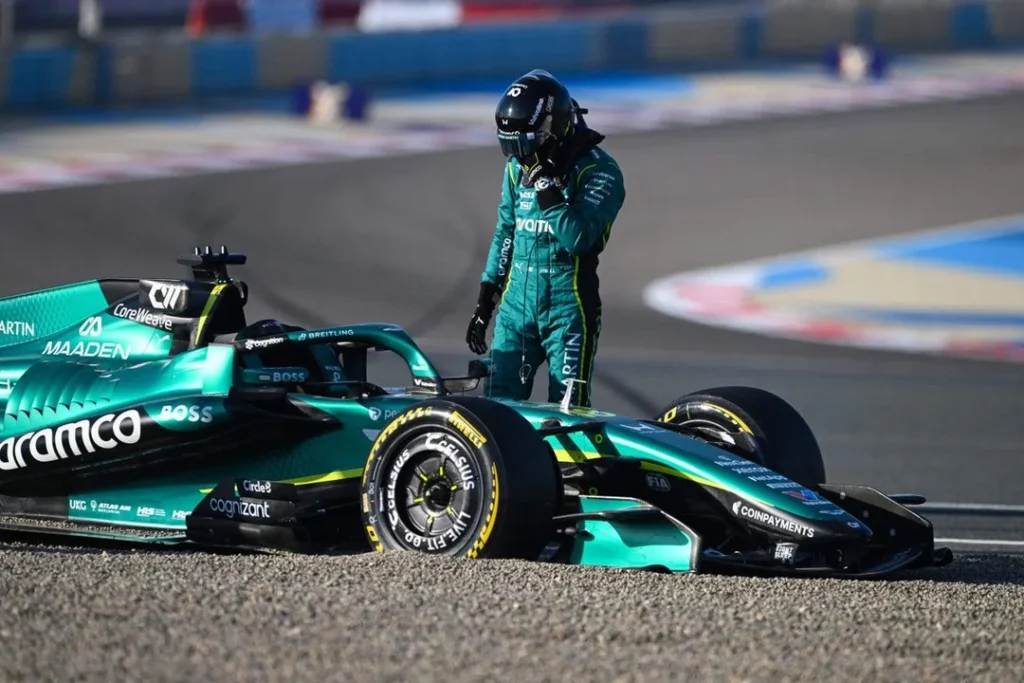
If Ferrari is managing expectations, Aston Martin is drowning in them.
For years, 2026 was positioned as their inflection point. New facilities. Big hires. Honda. Adrian Newey. Investment without ceiling. Instead, the narrative has flipped to embarrassment.
The core tension is simple: hiring key figures doesn’t automatically produce cohesion. Money doesn’t replace organizational chemistry. And compressing structural overhaul, chassis philosophy shifts, and a power unit partnership into an ultra-tight timeline is not a guaranteed shortcut to dominance.
There’s a growing sense that expectations were wildly optimistic, particularly regarding Honda’s readiness and the late-stage design shifts reportedly forced by packaging demands. Tight power unit integration, battery issues, and last-minute specification changes echo uncomfortable “size zero” history lessons.
The Newey debate has become central. Designer Newey is a generational asset. Team Principal Newey is a different experiment entirely. Being the aero visionary is not the same as running an organization. Absolute design control can inspire brilliance, or remove the friction that prevents overreach.
Blame has predictably fragmented. Some point to Honda ramp-down lag. Others to late integration changes. Others to leadership structure. The more rational perspective: teams are complex systems. It’s rarely one villain.
Still, the optics are rough. Rumors of spare part shortages. Questions about even finishing races. Jokes about formation-lap retirements. Bookmakers listing them surprisingly high despite visible instability. The gap between hype and output has rarely been wider.
And yet, paradoxically, this could still be a long-term turning point. A painful reset often precedes real structure. The ceiling may be higher than ever, but the floor just dropped out.
Lewis Hamilton: 20 Seasons and Still Standing
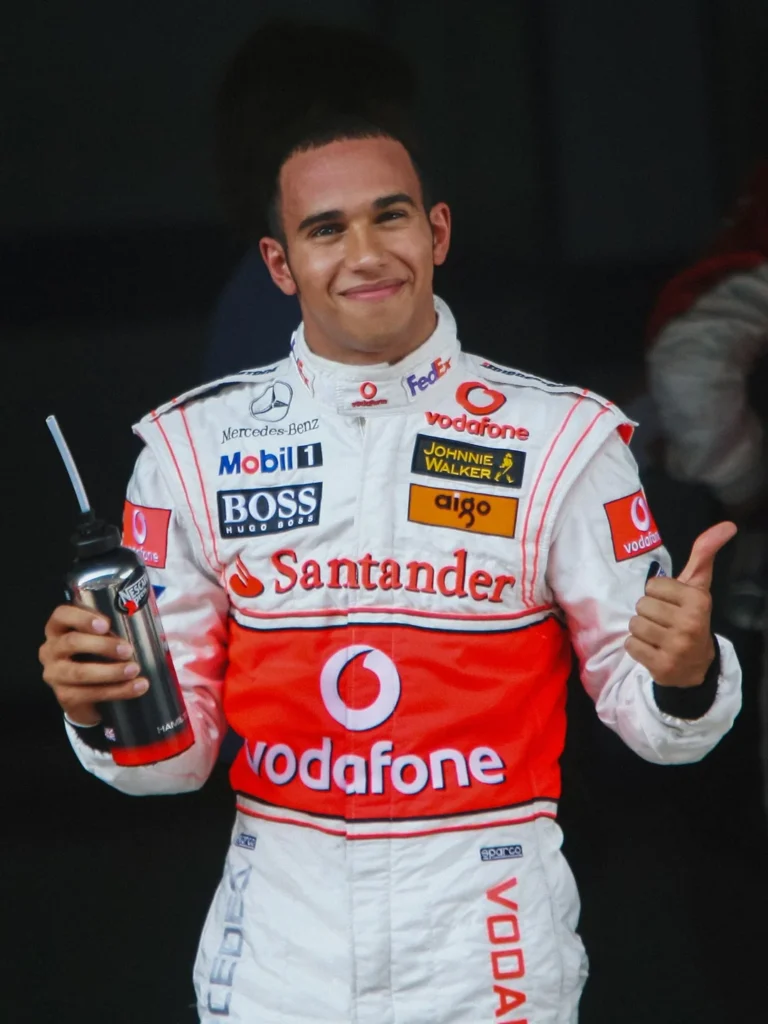
While teams wobble, Lewis Hamilton marked 20 seasons in Formula 1 with a reflection rooted in belief.
His message was simple: dream, act, endure. Highs and brutal lows. Mistakes that made the journey sweeter. Doubters who fueled him rather than broke him.
What stood out wasn’t just the triumphs, but the inclusion of failure. The crashed car. The jewelry ban defiance. The chaos alongside the crowns. The arc wasn’t sanitized.
It’s also striking how compact the visual story feels: Vodafone McLaren. Silver Arrow. Black Silver Arrow. HP Ferrari. Four liveries. Two decades.
There’s celebration, and there’s quiet anxiety. Is this the final chapter? No one wants to say it out loud. For now, the focus remains simple: still here. Still hungry.
Helmets, Identity, and the Power of Recognizability
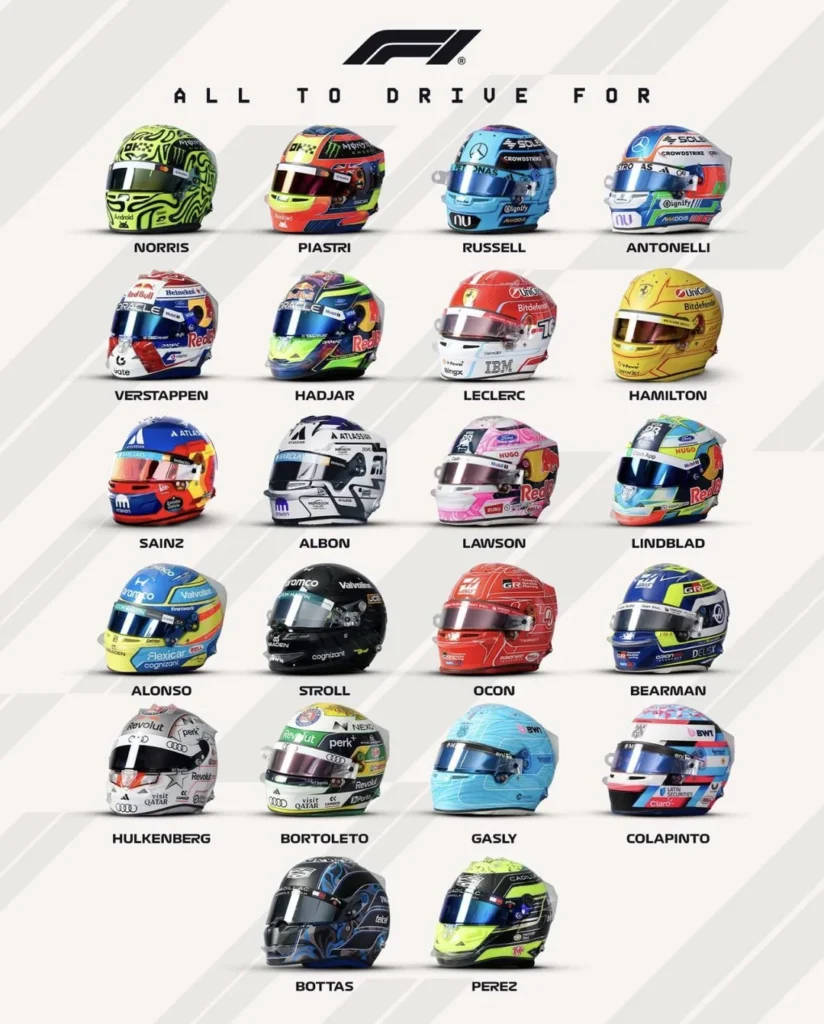
The 2026 helmet conversation revealed something deeper than aesthetics, identity matters.
Clean, elegant designs like Albon’s chrome-accented white concept and Bottas’ understated execution drew near-universal praise. Simplicity reads as confidence. Overdesigned stripes and chaotic color stacks don’t.
There’s fatigue with template-driven branding. Fans gravitate toward helmets that are unmistakably tied to a driver, Hamilton’s yellow Ferrari tone, Alonso’s championship echoes, Norris’ controversial but iconic “blobs.”
Even designs once mocked can grow into brand equity. If it’s instantly recognizable at 300 km/h, it’s working.
Official Portraits: The Pinnacle… of What?
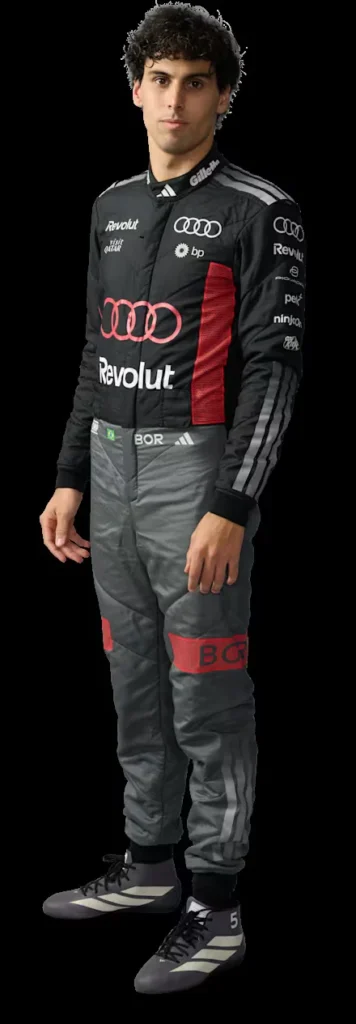
In contrast, the official driver portraits triggered near-consensus disbelief.
Lighting inconsistencies. Awkward poses. Masking artifacts. Odd proportions. In a sport branding itself as the pinnacle of motorsport, the visuals felt amateur.
The critique wasn’t just technical, it was philosophical. Formula 1 should not look cheap. Between on-screen graphics glitches and uneven media execution, fans expect world-class presentation to match world-class engineering.
When even handsome, camera-trained drivers look uncomfortable or distorted, something has gone wrong upstream.
Drive to Survive and the Briatore Effect
Drive to Survive’s episode centered on Flavio Briatore sharpened an already polarized perception.
The contrast between leadership styles was stark. For many, the portrayal reinforced an image of ego-driven management and abrasive authority. Others saw validation of long-standing discomfort with his return to the sport.
The broader theme: Formula 1’s power structures have historically included controversial figures. As the sport globalizes and modernizes, tolerance for that culture is shrinking.
The takeaway wasn’t subtle, and it wasn’t flattering.
Marketing Fatigue and the Upside-Down Australia Joke
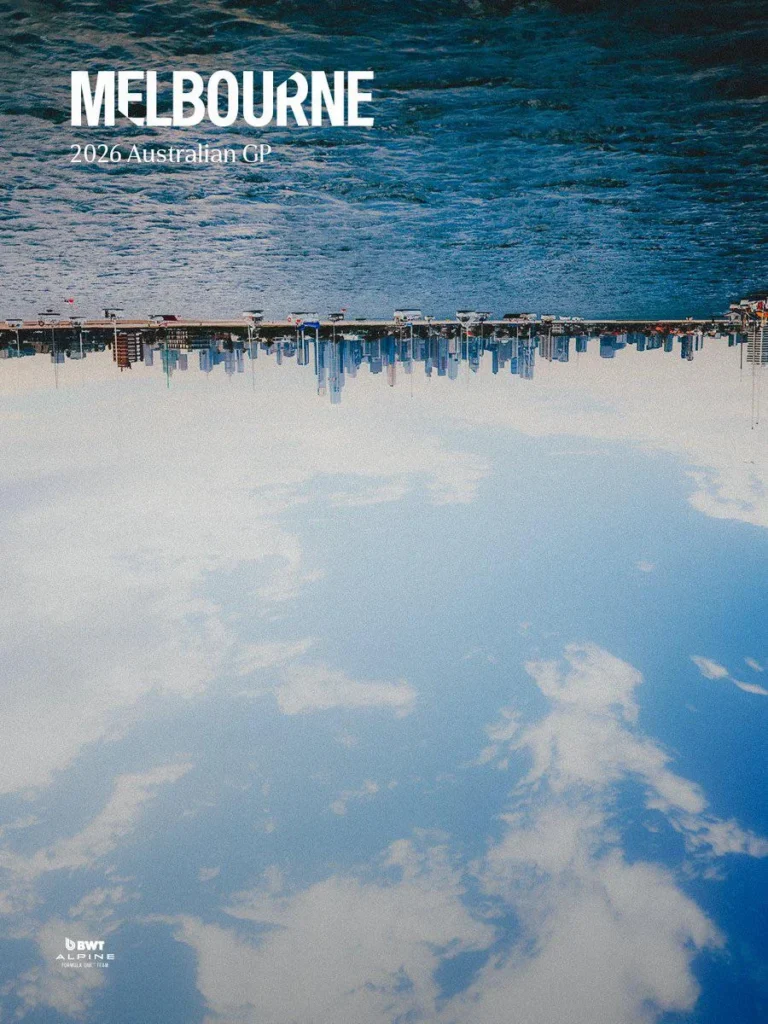
Alpine’s Australian Grand Prix poster reignited another annual tradition: the upside-down gag.
Some still find it clever. Many find it tired. “Down Under” humor has been done. Repeatedly.
The broader complaint isn’t about a single poster, it’s about originality fatigue in a content-saturated era. In a global sport with creative resources, repetition reads as lazy.
Yet the reaction also reveals something else: fans want creativity, not safe meme recycling.
Lando Norris, Volvo 940, and Pure Car Culture
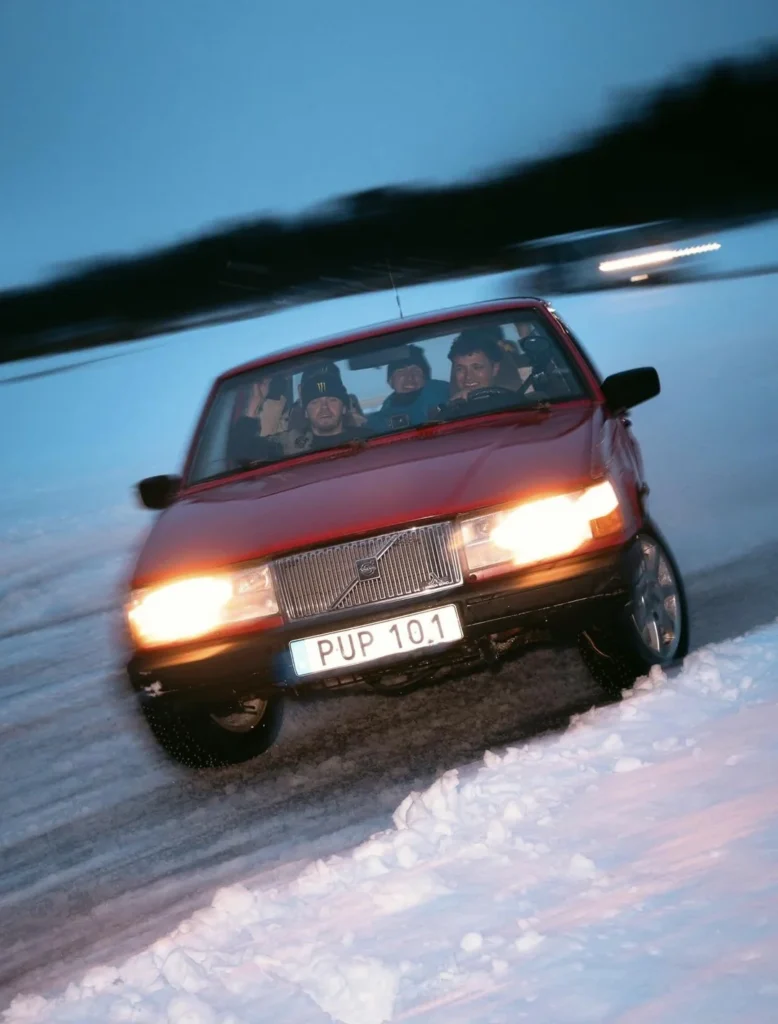
Amid corporate noise, Lando Norris drifting a Volvo 940 on ice with Oliver Solberg felt refreshingly authentic.
The conversation immediately devolved, in the best way, into model identification debates, mileage bragging rights, and Scandinavian car culture lore.
It wasn’t about lap time. It was about mechanical nostalgia, winter beaters, rally heritage, and cars that refuse to die even after 400,000+ kilometers.
Sometimes Formula 1 feels most human when its drivers step away from Formula 1.
“New” Qualifying That Isn’t New
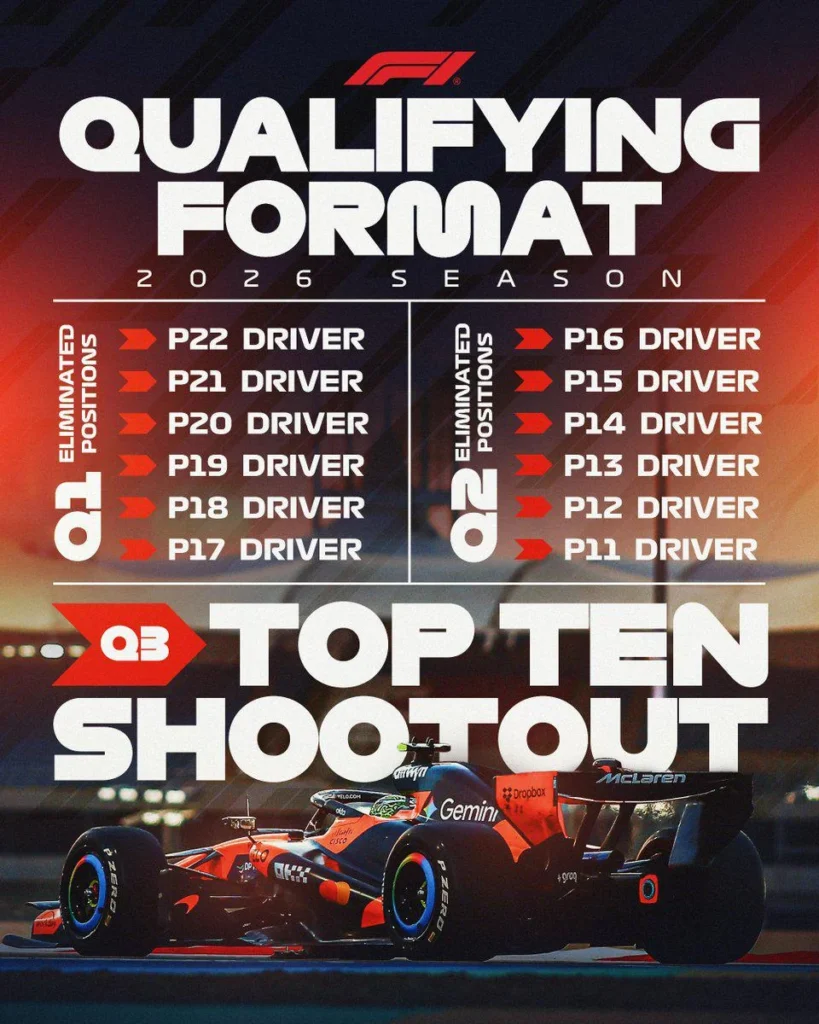
The “new” qualifying format announcement, six eliminations in Q1 and Q2 with 22 cars, triggered equal parts confusion and eye-rolling.
Because it isn’t new.
It’s math.
More cars on the grid means more eliminations in early sessions. This existed in prior regulations. It’s been written into rulebooks for years.
Clarifying it? Fine. Marketing it as revolutionary? Overreach.
If anything, the bigger competitive debate remains points allocation. Where should the line be drawn? Extend to 12th? Keep top 10? Every change shifts midfield incentives, and compresses or expands competitive meaning.
But as it stands, qualifying hasn’t been reinvented. It’s just been resized.
The Mood of 2026
If there’s a single thread tying all of this together, it’s tension between expectation and reality.
Ferrari hopes.
Aston recalculates.
Mercedes is mythologized.
Marketing departments recycle.
Drivers reflect.
Fans oscillate between sarcasm and sincerity.
Nothing has truly been proven yet.
But the narratives are already fully armed.
And as ever in Formula 1, belief may be the most powerful, and dangerous, force on the grid.