

Before a single championship point has been scored in 2026, Formula 1 has already delivered a season’s worth of discourse, much of it messy, technical, self-aware, and occasionally unhinged. From Netflix losing its biggest names, to Ferrari’s engine philosophy debates, to Apple quietly fixing problems fans have complained about for years, the sport feels like it’s entering a strange but fascinating transitional era.
Drive to Survive Season 8: The Era of Opting Out
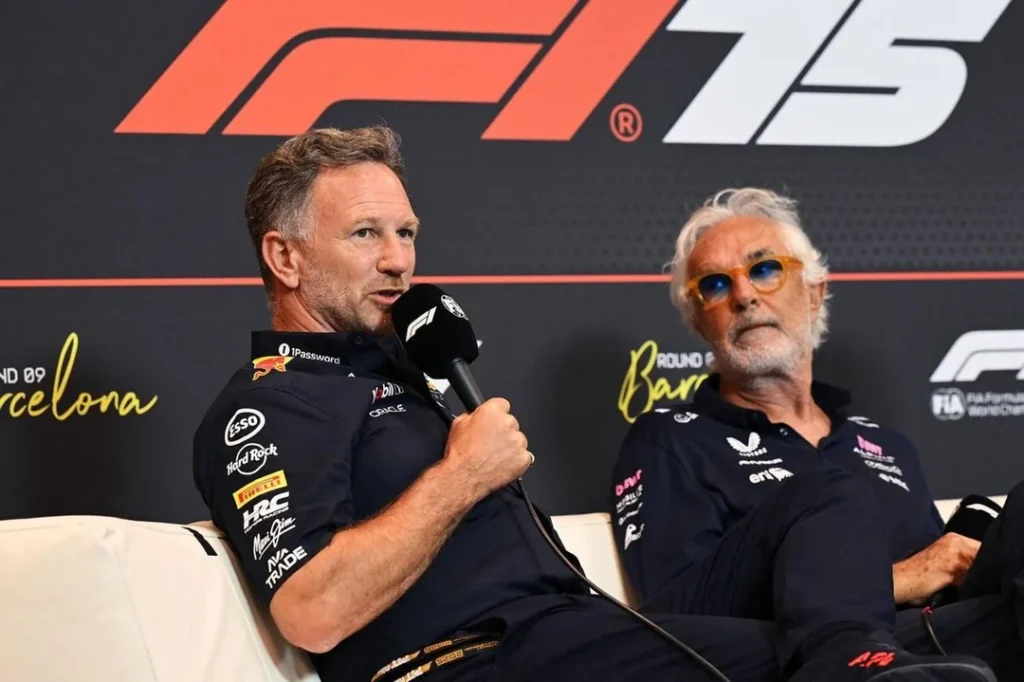
Season 8 of Drive to Survive will arrive without fresh participation from Max Verstappen, Lewis Hamilton, or Fernando Alonso. They appear only through previously available footage, press conferences, team radio, and archival material, with no new Netflix-produced access.
For Hamilton, the explanation appears straightforward: his personal media rights are tied up elsewhere, with a long-running Apple-produced documentary following him closely. That alone likely shuts the door on future DTS involvement. Verstappen’s absence feels more philosophical than contractual. He has never hidden his dislike for Netflix’s dramatization of the sport, and while he has appeared selectively in later seasons, the consensus is that he simply doesn’t see the upside. Alonso, meanwhile, feels very much in the same category: long career, high leverage, and little interest in playing along.
The throughline is power. These are the only active world champions during much of the recording window, and they are among the few drivers whose teams realistically cannot force participation. Drive to Survive increasingly leans midfield not because it prefers chaos, but because chaos is easier to access.
There’s also an unmistakable “too old for this” energy hovering over the situation, whether that’s actual age, emotional mileage, or simply having nothing left to prove. Or, in Verstappen’s case, having been “too old for this” since he was 17.
Chrome Is Back, and Williams Accidentally Found The Stig
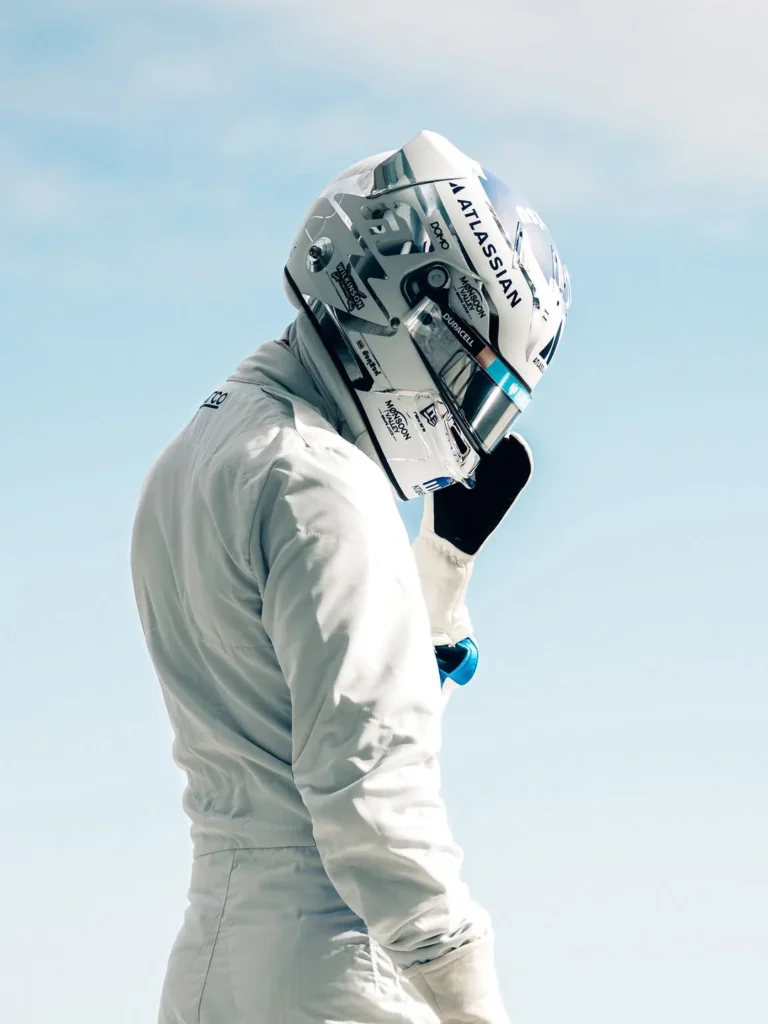
If Netflix is losing stars, Williams might have found one, at least visually. Alex Albon’s chrome helmet has landed as one of the most universally praised designs of the season so far. Clean, reflective, aggressive under the lights, and instantly evocative of Top Gear energy, it sparked an avalanche of Stig jokes, cousin lore, and affectionate absurdity.
Beyond the memes, the response says something real: fans are starving for designs that feel intentional and timeless. Retro cues, minimal clutter, and bold materials still hit harder than most sponsor-heavy modern aesthetics. Williams may not dominate headlines on pace, but on visual identity alone, this was a clear win.
Oscar Piastri, Bed Rotting, and the Ethics of Oversharing
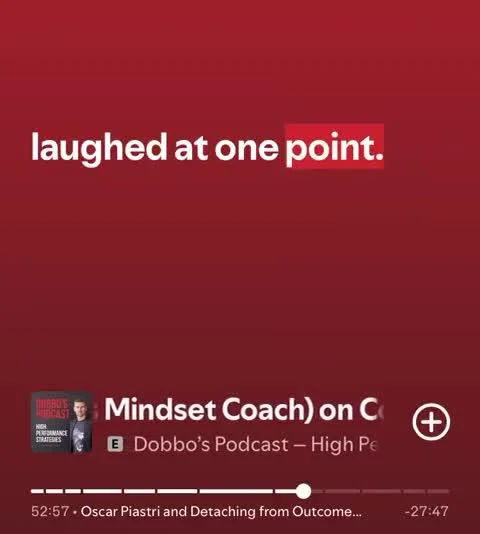
Oscar Piastri’s mental performance coach publicly discussing his former habits, doomscrolling, “bed rotting,” and mindset struggles, triggered one of the most serious debates of the offseason.
On one side, fans found the relatability hilarious and oddly affirming. On the other, many questioned whether this crossed a professional line, particularly given the coach’s background as a licensed psychotherapist. The fact that the relevant podcast segment was later removed from the audio, while remaining in transcripts, only fueled discomfort.
The substance of the message wasn’t controversial: detaching self-worth from outcomes, easing obsessive ambition, and building sustainable routines are well-worn performance principles. But delivery matters. When elite athletes are involved, especially those known to be private, transparency without context can feel less like insight and more like exposure.
Ironically, the discourse quickly turned into collective self-justification: if bed rotting didn’t stop Piastri from becoming a title contender, maybe no one else needs to feel guilty about it either.
McLaren, Etihad, and the Death of the Clean Rear Wing
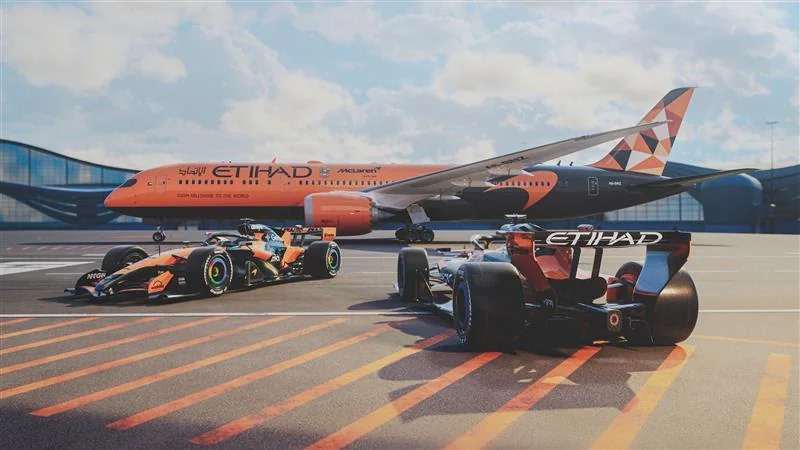
McLaren’s announcement of Etihad as an official partner reignited a familiar frustration: the near-impossibility of keeping manufacturer branding clean and prominent in modern F1.
Fans had barely rediscovered the joy of seeing “McLaren” on the rear wing before it disappeared again, replaced by airline branding, just as “Ferrari” lettering once gave way to smaller corporate logos. The lament isn’t anti-sponsor so much as pro-identity. Many still believe manufacturer branding should be non-negotiable, even if reality says otherwise.
The Etihad deal also reopened broader conversations about ownership, sovereign wealth funds, and comparisons to Manchester City. Whether framed cynically or matter-of-factly, the takeaway is the same: this isn’t new, and F1 teams have been here for a while.
The 2026 Engine Controversy: Tests, Temperatures, and Trust
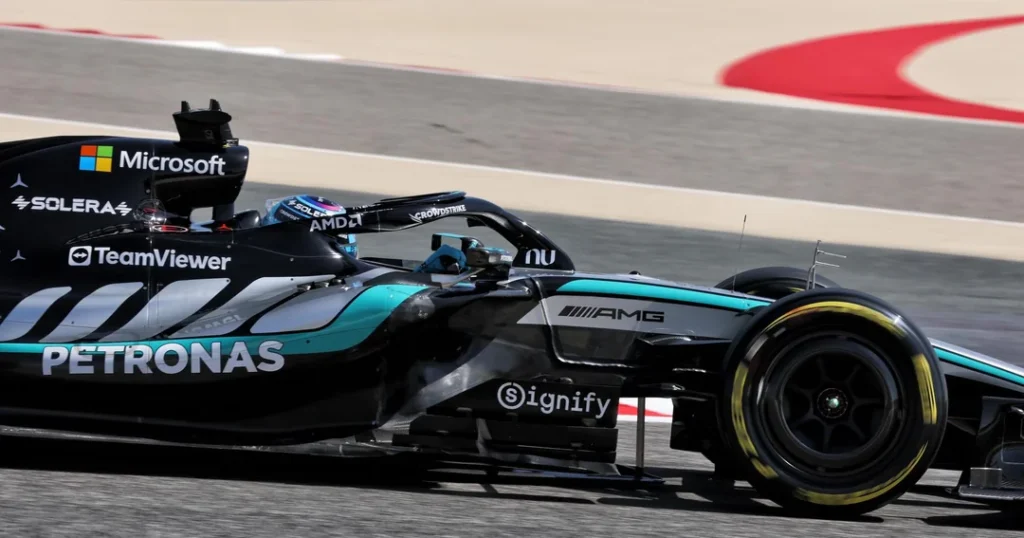
Mercedes’ rivals blocking an FIA proposal over engine testing procedures has turned into a dense technical debate about operating temperatures, cylinder heads, material limits, and whether proposed tests meaningfully reflect real-world conditions.
Some see genius. Others see regulatory theater. The loudest frustration isn’t that rules exist, but that the tests themselves may be fundamentally unrepresentative. Even among engineers, the consensus is murky: enforcement may be technically correct while still missing the spirit of the regulations.
Add in parallel fuel homologation drama and the sense that nothing truly changes until a stopwatch is involved, and the prevailing mood becomes clear, people are tired of hypotheticals. Everyone just wants the season to start.
A Trophy That’s a Churro (Apparently)
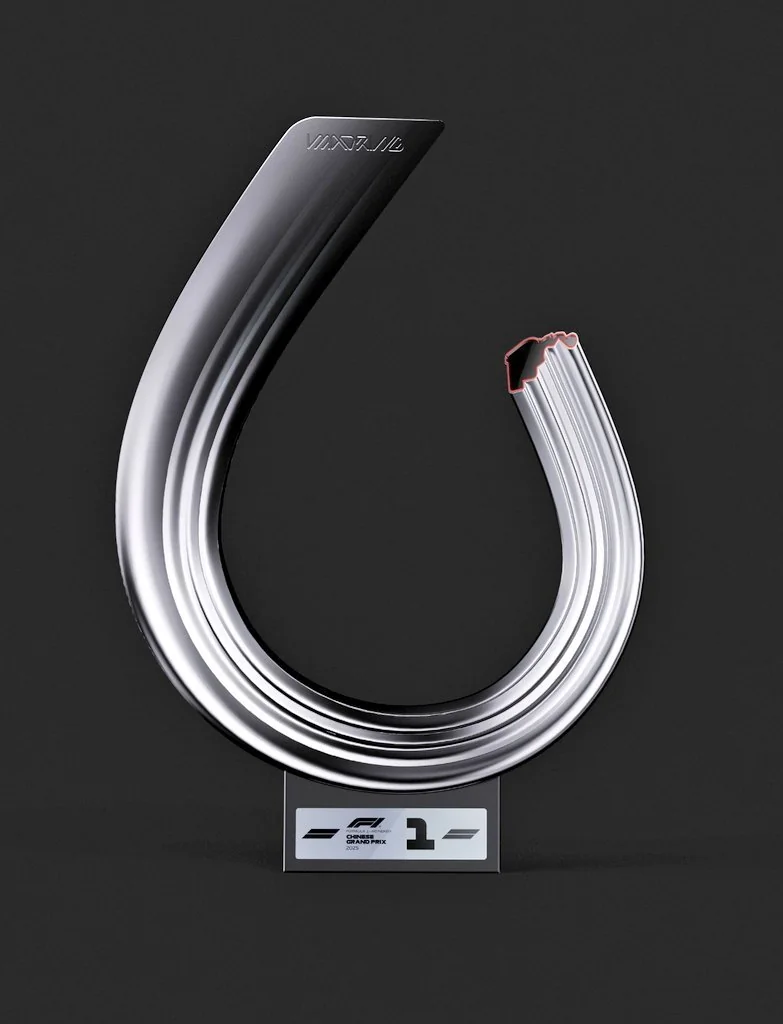
The 2026 Spanish Grand Prix trophy reveal somehow managed to combine over-symbolism, underwhelming execution, and a baffling render that appeared to reference the wrong race and year.
Defenders praised the concept, the ridges mirroring track layout, the hook referencing an iconic corner. Critics saw a “metal churro,” questionable Blender skills, and placeholder text that never should have made it public. The result was less outrage than apathy: when even the render feels unfinished, it’s hard to take the object seriously.
Apple’s F1 Push: Quietly Fixing What Others Ignored
Apple’s integration of Formula 1 across Apple TV and Apple Music landed with surprising positivity. Multiview onboard options, background audio commentary, and free radio-style race coverage address long-standing pain points, especially for fans who want to follow races while commuting, walking dogs, or multitasking.
Crucially, Apple isn’t producing the race; it’s improving access. That distinction matters. Many who feared losing F1TV functionality are finding the ecosystem better, cheaper, and more flexible than expected. Skepticism remains about long-term broadcast rights battles, but for now, this is one of the rare tech-sport partnerships that feels genuinely user-centric.
Penalty Points: The Other Championship
While championship points reset, penalty points do not, and some drivers are already walking a tightrope. Ollie Bearman enters 2026 with 10 points, leaving almost no margin for error across multiple race weekends. Others hover in safer territory, while several drivers start clean.
The system itself isn’t widely disputed. The frustration comes when enforcement feels inconsistent, either too lenient in title fights or suddenly strict to compensate elsewhere. Still, the framework is broadly seen as fair: drivers can adjust behavior, or accept the consequences.
Ferrari’s Turbo Gamble and a Season of Engineering Roulette
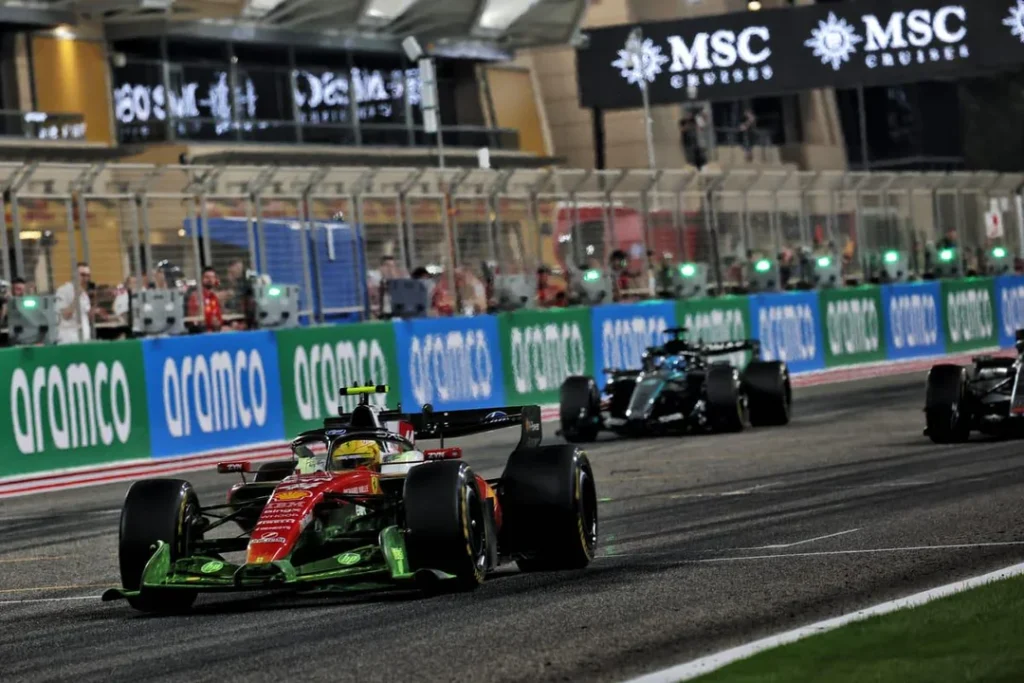
Ferrari’s rumored choice to run a smaller turbo for 2026 has sparked one of the most detailed technical discussions in recent memory. The trade-off is clear: faster spool, better launches, stronger exits from slow and medium-speed corners, at the cost of top-end power.
In a ruleset where passing may be difficult and starts disproportionately important, that gamble could be brilliant. Or disastrous. Smaller turbos bring risks: efficiency limits, reliability concerns, and potential altitude sensitivity at tracks like Mexico. Ferrari appears to be betting that acceleration and consistency matter more than peak speed.
What makes this compelling isn’t certainty, it’s the scale of divergence. Active aero, new power units, and radically different philosophies mean the stopwatch will vindicate some and brutalize others. Comparisons to 2014 aren’t hyperbole; this is one of the most consequential resets the sport has seen.
Melbourne’s SM Zones and Formula 1’s Terminal Lack of Self-Awareness
Finally, Melbourne’s updated track map introduced “SM Zones,” Straight Mode zones for the new regulations. The internet, predictably, did not let that slide.
Between jokes about Berlin nightclubs, Max Mosley callbacks, and endless innuendo, the naming choice overshadowed the actual technical implications. Still, there are real questions underneath the memes: fuel efficiency gains, deployment strategy, clipping risks, and whether these zones materially affect racing or simply add complexity.
If nothing else, the reaction proved one thing: Formula 1 may be hyper-technical, but it will never outrun its own sense of humor.
Taken together, these threads paint a clear picture of 2026 before a wheel has turned. This is a season defined by leverage, drivers opting out, teams betting big, broadcasters reshaping access, and regulators struggling to test what actually matters. The noise is already loud. The only thing missing now is proof.