
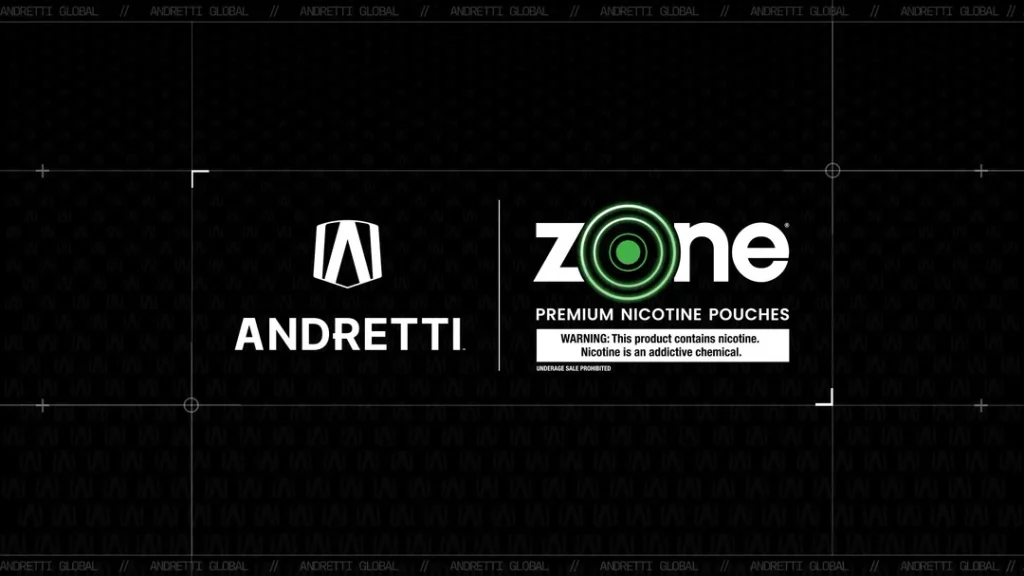
Andretti Global has answered the question behind its “A little extra power” teaser. The team has signed a multi-year partnership with zone® Premium Nicotine Pouches that puts the brand on Will Power’s No. 26 for 13 races in 2027. The round outline that looked like a pouch can was the better clue. ZYN was a popular guess, and a PETL power bank would have explained the caption, but it was zone that landed the deal.
Elsewhere, Sting Ray Robb gave IndyCar followers a reason to pay attention to his move into sports cars. He earned an LMP2 podium in a four-hour race on a track he had never driven, in a car that was new to him. His lap times make that result worth a closer look.
What zone brings to the No. 26
The best preview of what zone might do with 13 IndyCar weekends comes from its work with Kyle Busch at Richard Childress Racing. The blue-and-green cars were easy to pick out, and the company backed up the paint scheme with promotions at the track. Whether those colors carry over to Power’s car is one of the more interesting pieces still to see. With 13 appearances, there’s time for the No. 26 to become as recognizable in zone colors as the RCR car was.
The Andretti deal also raises a question about where zone spends its NASCAR budget. Austin Hill brings longtime backers Bennett Transportation and United Rentals to the No. 33, which changes the sponsorship picture at RCR. That makes a shift toward IndyCar plausible. The announcement establishes what zone has bought at Andretti and leaves open whether it will also appear on a NASCAR grid.
There’s an unavoidable irony in a nicotine pouch company choosing a driver named Will Power. The more consequential issue is what that sponsorship buys. VELO already has a presence on McLaren’s cars, so IndyCar has seen this product category before. Alcohol brands have remained visible, too, from Louis Foster’s tequila sponsorship to Jacob Abel’s Miller car. What made zone effective at RCR was its willingness to put the product in front of people at the track. That same commitment is precisely what makes nicotine sponsorship a harder sell for some of the people who will enjoy seeing the livery.
What Robb’s first podium tells us
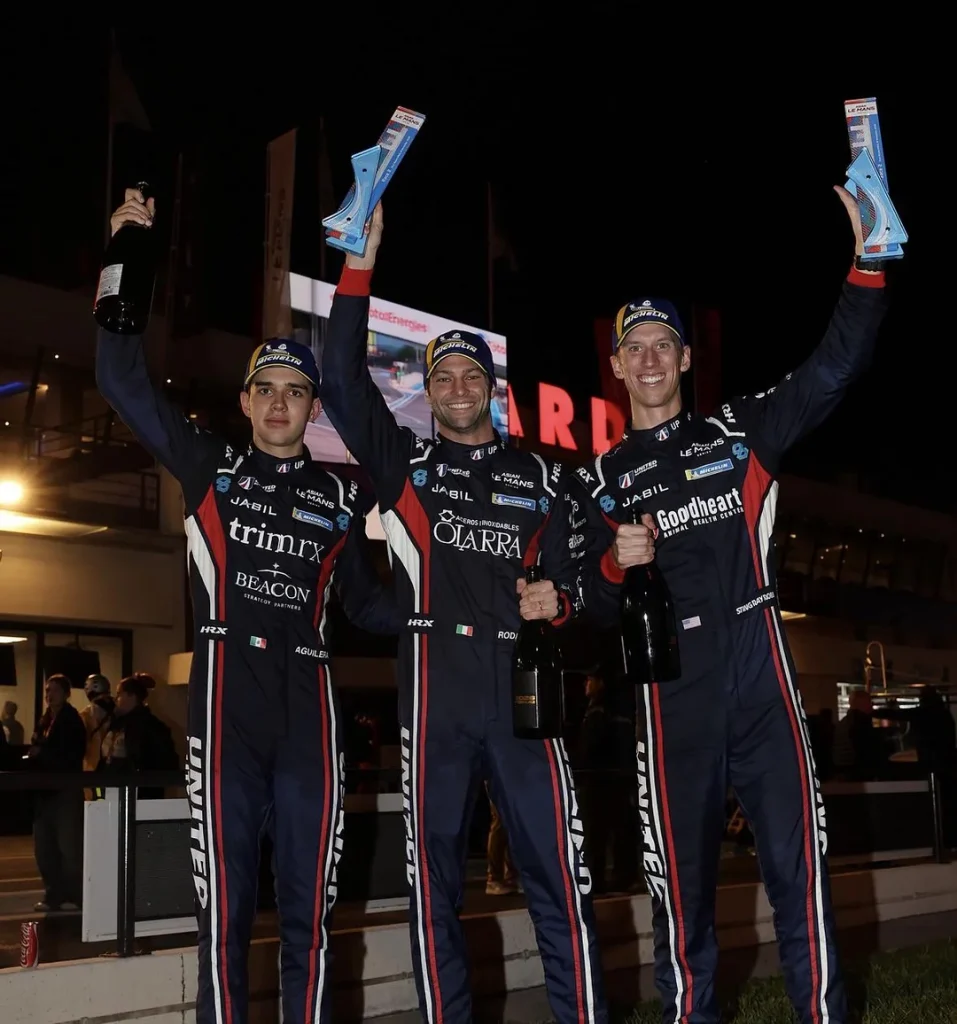
Robb recorded the eighth-fastest lap in his first outing with this car and circuit. His best lap came within 0.106 seconds of his theoretical best, the time he could have posted by combining his strongest sectors. In other words, once he found time in different parts of an unfamiliar track, he came close to putting all of it together on one lap.
Conditions changed over the four hours, so the fastest-lap order tells us only so much about the relative pace of drivers whose stints fell at different times. The smaller gap to Robb’s own best sectors is arguably the more encouraging detail. It gives him something concrete to take away from the weekend alongside the podium. There was already reason to think prototypes might suit him. Robb had success on the IndyCar ladder, even if his years in the top series did more to shape his reputation. Logan Sargeant offers an interesting parallel. He took an ELMS pole on his first outing in an LMP2 car. Sometimes a switch of machinery reveals pace that was easy to overlook in a driver’s previous seat. Where Robb fits over a longer sports-car campaign is a tougher question. He carries a Gold driver rating, which means teams weighing him for a professional role have accomplished prototype drivers to choose from. In IMSA, that comparison includes Mikkel Jensen, Paul di Resta, Oliver Jarvis and Harry Tincknell. Robb’s IndyCar experience and the backing he can bring make him a viable choice, but established LMP2 drivers have years of evidence in these cars. One four-hour race is the beginning of Robb’s case.
For a driver whose name and sponsorships have often drawn more attention than his lap times, that’s part of the pleasure of this result. There’s room for the running joke about buying a discounted Sting Ray Robb jersey for Christmas. There’s also a perfectly good racing reason to wear it.