

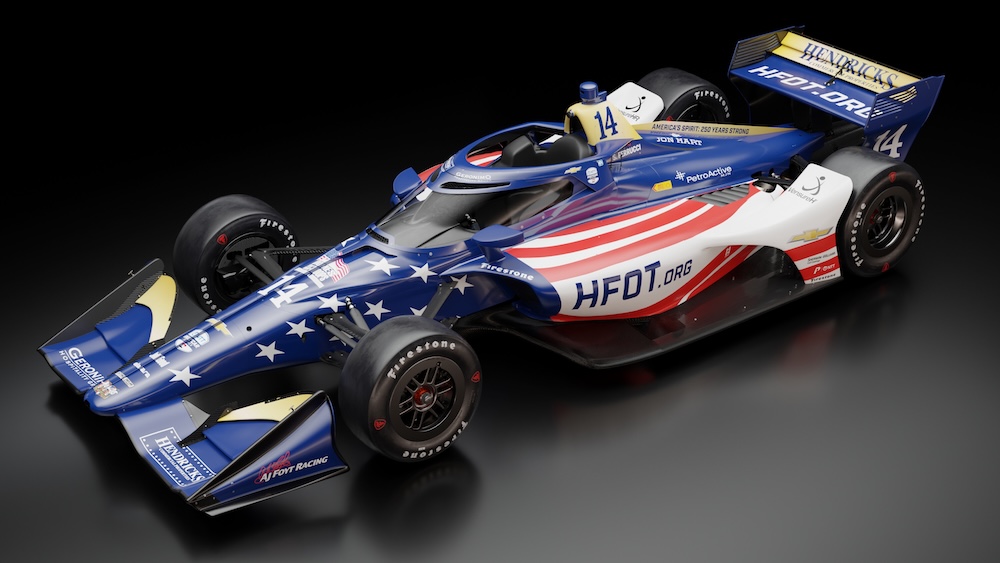
The Indianapolis 500 grid is set to reach its traditional number once again, with AJ Foyt confirming a 33rd entry for this year’s race, according to Pruett. On the surface, it’s a straightforward development—ensuring the iconic “Field of 33” remains intact. But the reaction around it reveals something deeper: a mix of nostalgia, skepticism, and ongoing concern about what IndyCar’s future grid depth really looks like.
The Symbolism of 33—And Why It Matters
There’s a clear consensus that hitting 33 cars isn’t just a logistical milestone—it’s a necessity. The alternative, a short field, would be widely viewed as a failure for the series. In that sense, this entry feels less like expansion and more like preservation.
At the same time, the fact that the grid needs to be actively “filled” rather than naturally oversubscribed has become a sticking point. The absence of a 34th entry—and therefore the lack of a true bump day scenario—has sparked frustration. For many, the drama of potentially missing the race is core to what makes the Indy 500 special. Without it, the competitive tension fades.
There’s even a growing sentiment that this might simply be the new normal: ensuring 33 at all costs, even if it means sacrificing the unpredictability that once defined qualifying.
A Grid Without Pressure?
The conversation quickly shifts from tradition to competition. A 33-car field without a 34th entry eliminates the risk factor—no one goes home, no last-chance heroics, no real consequences at the margins.
Some argue that having just one car miss the field isn’t particularly compelling anyway, suggesting that true drama only exists when multiple competitive entries are at risk. Others counter that even a single elimination adds weight to every qualifying run.
Still, the broader takeaway is clear: the grid is no longer naturally exceeding demand. And that’s a structural concern.
Who Gets the Seat? Performance vs. Funding
With the entry confirmed, attention turns to who will actually drive the car. The speculation leans heavily toward Katherine Legge, with additional mentions of JR Hildebrand as a potential alternative.
But the discussion around driver selection highlights a familiar IndyCar reality: the “best available driver” isn’t always the one who gets the seat. Funding, sponsorship, and commercial value remain decisive factors.
There’s acknowledgment that drivers who bring financial backing or unlock new audiences—particularly those who can expand reach, such as engaging more female fans—carry significant weight in these decisions. That dynamic continues to shape not just this entry, but the broader grid composition.
The Penske Factor
There’s also an underlying belief that Penske Entertainment is playing a quiet but important role in ensuring the grid hits 33. The idea that a “satellite” effort is being used to guarantee a full field reinforces the notion that this entry is as much about optics and stability as it is about competition.
In that context, this isn’t just AJ Foyt Enterprises adding a car—it’s part of a broader effort to protect the integrity of the event.
Nostalgia, Humor, and the Myth of Foyt
Naturally, the news has also triggered a wave of humor and nostalgia centered around Foyt himself. The idea of the 91-year-old returning to the cockpit—however tongue-in-cheek—has fueled comparisons between eras.
There’s a recurring theme that Foyt’s old-school toughness and race-anywhere mentality would still hold up today. Stories of racing multiple events in a single day, flying between venues, and still winning have become part of the mythology being invoked here.
That nostalgia extends into imagined scenarios: ripping out modern hybrid systems mid-race, tearing off aeroscreens, or delivering blunt radio commentary about today’s drivers. It’s less about realism and more about contrasting the rawness of past eras with the complexity of modern IndyCar machinery.
The Sting Ray Robb Effect
Interestingly, a portion of the reaction centers around comparisons to current backmarkers, particularly Sting Ray Robb. The implication—half joking, half serious—is that experience alone might still be competitive against parts of the current field.
That sentiment underscores a broader critique: the perceived gap between the top and bottom of the grid, and the role funding plays in keeping certain drivers in seats.
What This Really Signals
At face value, AJ Foyt’s 33rd entry is a positive—another car, another opportunity, another full grid. But the reaction makes it clear this isn’t being viewed as growth.
Instead, it’s stabilization.
The absence of additional entries, the reliance on conditional participation, and the commercial realities shaping driver selection all point to a series managing its baseline rather than expanding beyond it.
And while the Field of 33 will once again take the green flag, the bigger question remains unresolved:
Is IndyCar maintaining its standard—or quietly redefining it?