


Lewis Hamilton topping practice at Silverstone will always mean something.
Even in a single free practice session. Even on a sprint weekend. Even under brand-new 2026 regulations where nobody is entirely sure what is real, what is sandbagging, and what is simply battery management dressed up as pace.
Hamilton ended the only practice session for the 2026 British Grand Prix fastest with a 1:29.260, ahead of Kimi Antonelli, Charles Leclerc, George Russell, Oscar Piastri, Max Verstappen, Lando Norris, Isack Hadjar, Nico Hülkenberg, and Liam Lawson.
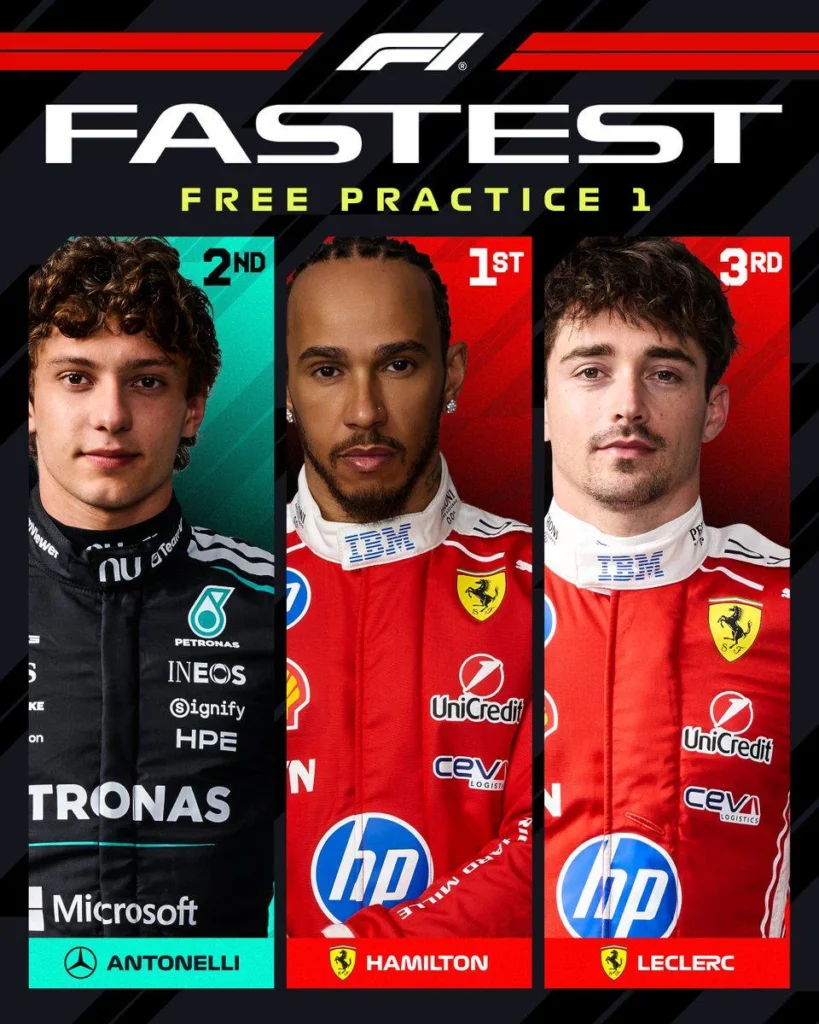
For Ferrari, it was the kind of FP1 result that immediately activates hope and distrust in equal measure. Hamilton P1 and Leclerc P3 looks like a dream start. But with Mercedes second and fourth, Red Bull lurking, and McLaren looking unsettled rather than slow in any simple way, the session created more questions than answers.
That is especially true because this is not a normal weekend. Silverstone has only one practice session before Sprint Qualifying, which means teams have less time to hide, less time to fix issues, and less time to understand a circuit that appears to expose the most awkward traits of the 2026 cars.
And Silverstone absolutely exposed them.
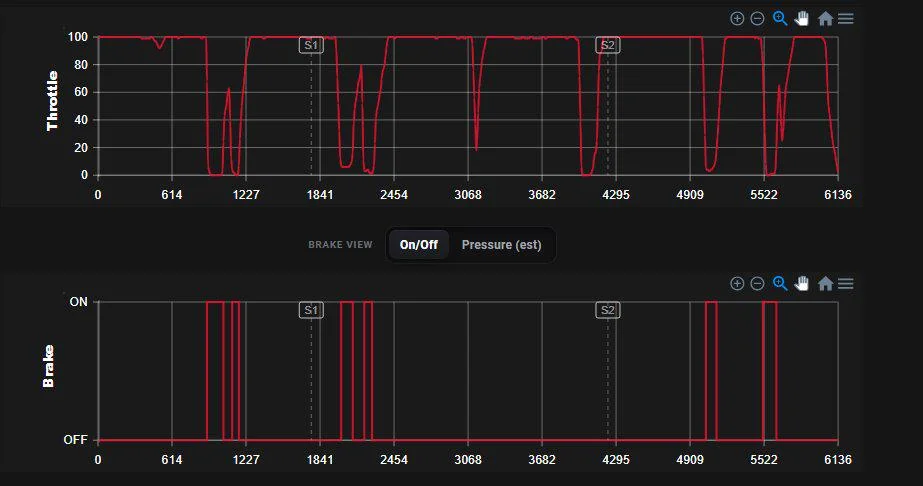
Hamilton’s fastest lap included a remarkable detail: he did not brake between Turns 7 and 15, a stretch of nearly 2.75 kilometers. On paper, that sounds absurd. In practice, it perfectly captured the new challenge of these cars. Silverstone’s long, flowing, high-speed sections are not just about bravery and grip anymore. They are about lift-and-coast, energy harvesting, deployment choices, and managing the moment the car runs out of electrical assistance.
That was visible and audible throughout the onboard footage. The cars appeared to lose momentum in places where recent F1 cars would simply stay committed. Through the long high-speed sections, especially around Maggots, Becketts, and the Hangar Straight, the new formula made Silverstone look less like a pure attack lap and more like a constant negotiation with the battery. That is why the lap-time comparison became such a major talking point. Verstappen’s 2025 pole was a 1:24.892. Hamilton’s 2026 FP1 benchmark was a 1:29.260. For additional context, Hamilton led FP1 in 2025 with a 1:26.892, while Lando Norris later topped FP2 with a 1:25.816. The gap to last year is large, but the comparison is not entirely fair. 2025 was the fourth year of the previous chassis regulations and the twelfth year of that engine era. 2026 is year one of both a new chassis and new power unit formula. The better comparison may be with earlier first-year regulation cycles, including 2014 or 2022, rather than the fully matured speed of the previous generation.
Still, the concern is understandable. Silverstone’s magic has always come from watching drivers push the car to the edge through high-speed corners. If the new cars are clipping, lifting, coasting, and visibly slowing through those sections, the issue is not just lap time. It is how the lap feels.

That made Hamilton’s performance even more interesting. He was not only fastest overall, but also led Sector 2 with a 36.177 and Sector 3 with a 24.631. Antonelli led Sector 1 with a 28.369, which only deepened the debate over whether Mercedes was showing its hand.
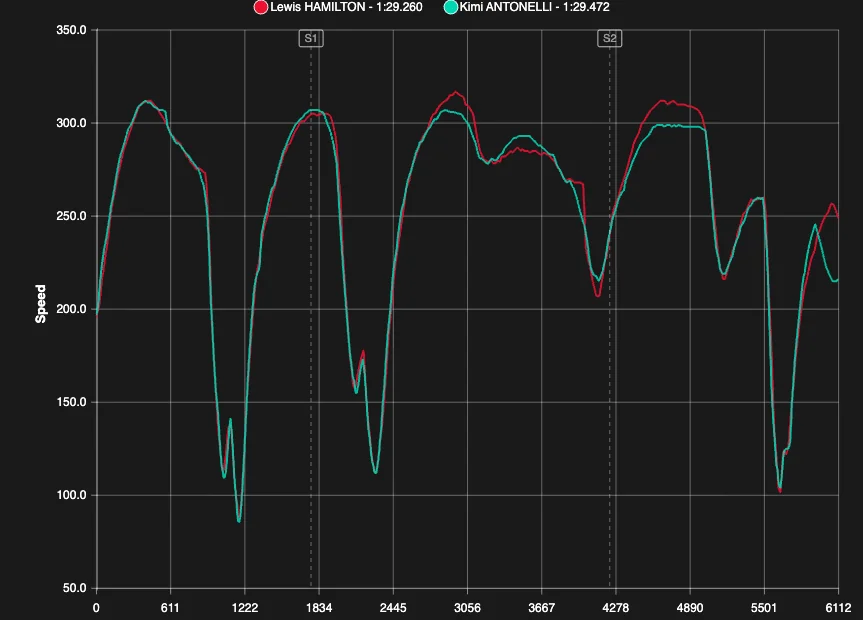
The Hamilton-Antonelli lap comparison added more fuel to that. Hamilton appeared especially strong on the straights, which raised eyebrows because Mercedes-powered cars were widely suspected of running with performance in reserve. Theories quickly centered on deployment strategy, conservative engine modes, harvesting, and power unit reliability. In other words, Hamilton was fastest, but the data still left room for Mercedes to be hiding pace.
That is the strange thing about this FP1. Ferrari looked genuinely strong, yet the instinct was still to question it. When Ferrari struggles in practice, the obvious conclusion is that the pace is not there. When Ferrari is quick, the immediate conclusion is that everyone else must be sandbagging. That is the emotional tax of following Ferrari. Hamilton at Silverstone only makes it worse. His history at this track is so strong that a fast lap here feels different than it would almost anywhere else. Silverstone seems to give him something extra, and FP1 immediately revived the idea that a podium, or maybe even more, could be possible. Ferrari also looked good on the long-run data provided after the session. Hamilton averaged a 1:32.261, ahead of Leclerc at 1:32.433, Antonelli at 1:32.935, Russell at 1:33.327, Norris at 1:33.641, Hadjar at 1:34.070, and Verstappen at 1:34.084. That looks extremely promising for Ferrari at first glance. But again, the caveat is enormous. Teams may have been on different fuel loads, different engine modes, and different run plans. Ferrari and Mercedes may have been closer to sprint simulations, while McLaren and Red Bull may have been focused on heavier race-fuel work. Comparing those averages directly may be comparing completely different programs.
Still, the fact remains: Hamilton topped the headline time, topped two sectors, and led the available long-run averages. On a weekend where there is only one practice session, that is enough to make the Ferrari hype train leave the station, even if everyone can already see the wall somewhere down the track.
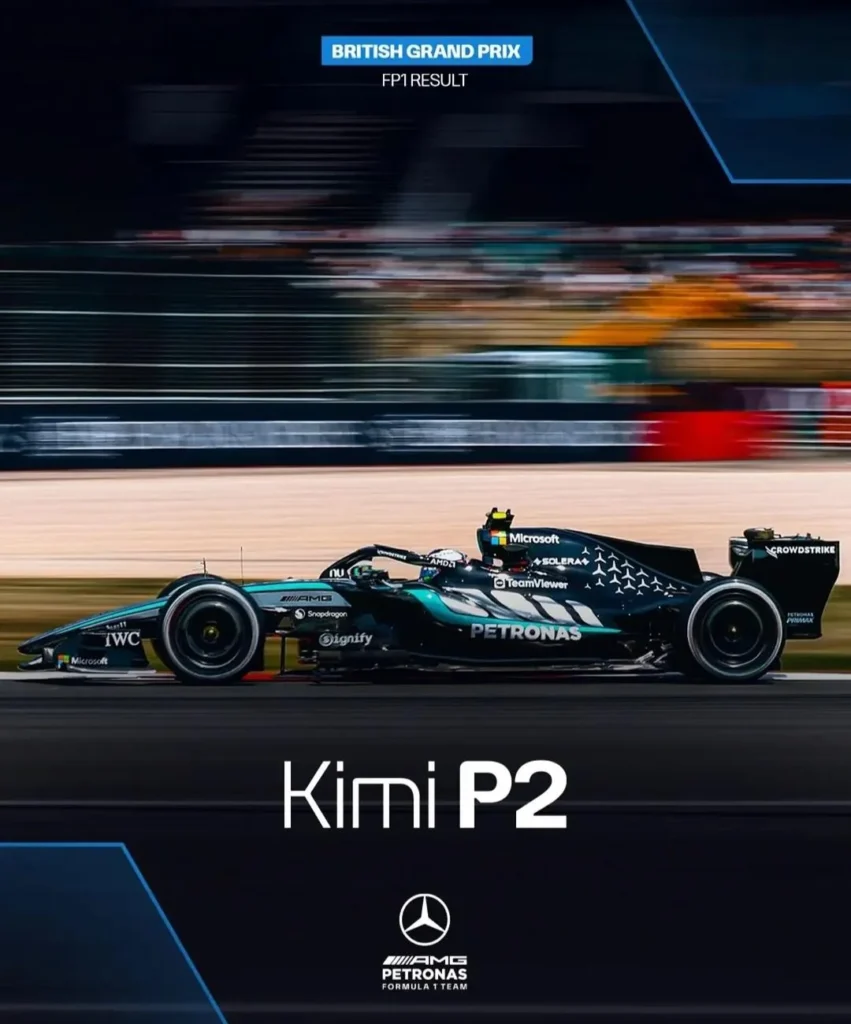
Mercedes, meanwhile, looked exactly as suspicious as Mercedes often does. Antonelli finished P2 and Russell P4, yet the session carried a strong sense that there was more available. The usual explanation is simple: complete the run plan, gather the data, avoid stressing the power unit, and save the serious engine modes for when points or grid positions are actually on the line.
That matters even more under the 2026 formula, where energy deployment and reliability are central to performance. If Mercedes was conservative, Sprint Qualifying should tell us far more than FP1 did.
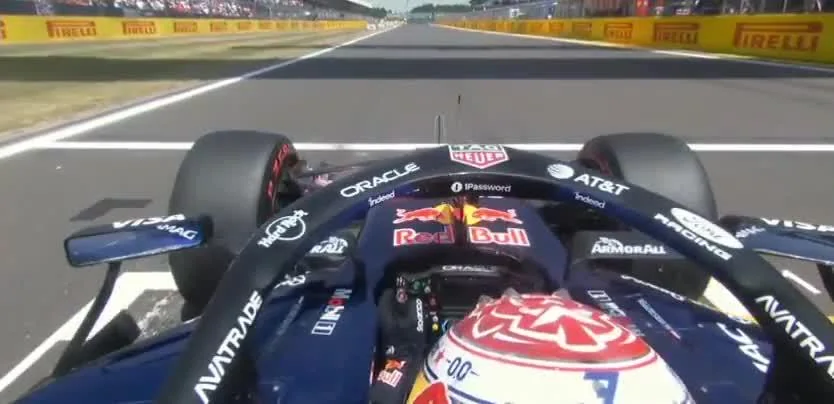
Red Bull had a less convincing opening session. Verstappen was P6 and Hadjar P8, with Verstappen appearing uncomfortable in the car at points. Normally, that would not be a major concern. Red Bull has a long track record of turning an awkward practice session into a much sharper qualifying package.
But this weekend gives them less time to do it. With only one practice session before Sprint Qualifying, there is not the usual overnight reset before the next meaningful session. If the car is not in the right window, Red Bull may have to solve it quickly.
Verstappen also provided one of the oddest radio moments of FP1 when he told GP that his hand was stuck in the headrest. GP’s deadpan “understood” response instantly became one of those bizarre practice-session moments that sounds made up but somehow fits perfectly into F1. Whether it was actually his hand, head, glove, or something else, it was a strange little subplot in an already strange session.
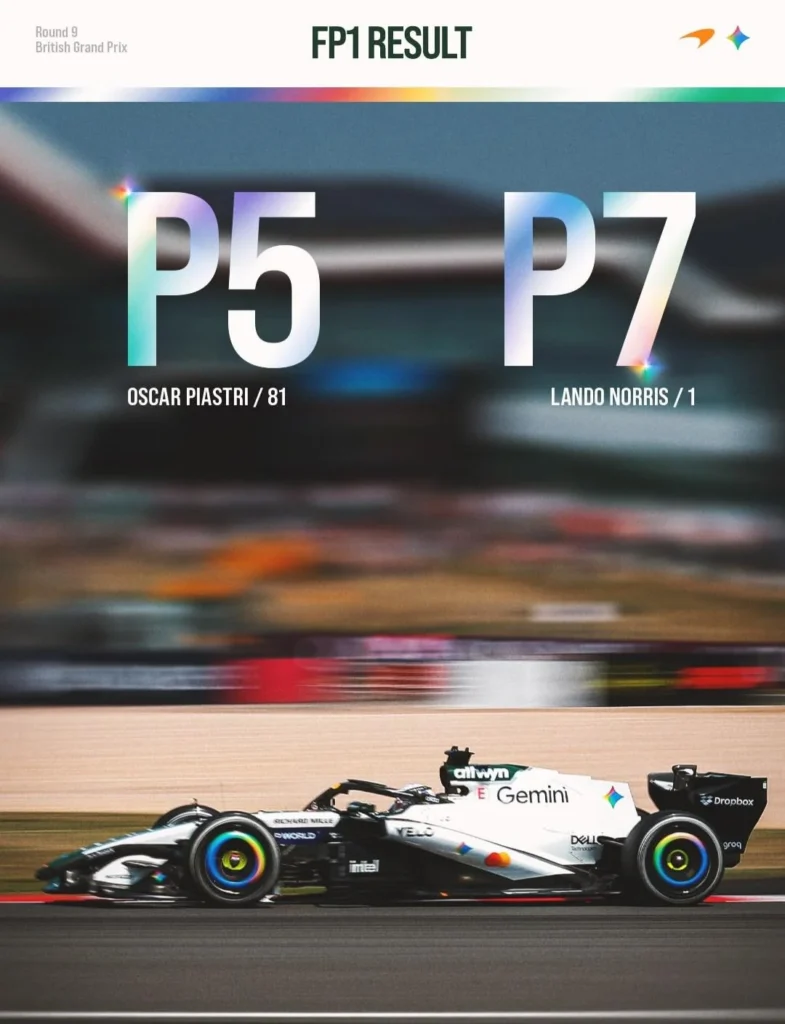
McLaren’s FP1 was more worrying. Piastri finished P5 and Norris P7, but the onboard footage did not inspire confidence. The car looked twitchy, unstable, and uncomfortable, particularly on the straights. Norris’ battery situation became a major focus, with the argument that taking a grid penalty for a fresh battery may eventually be unavoidable anyway.
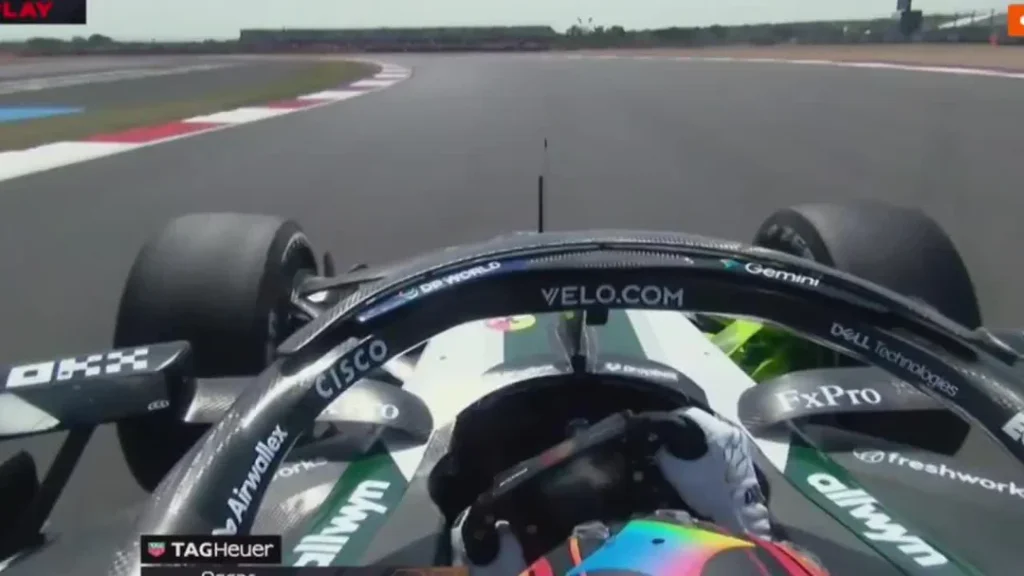
Piastri also had a sketchy moment at Becketts, running over the kerbs and off track before saving it. The large runoff prevented a bigger incident, but the moment reinforced the impression that McLaren did not have a calm, planted car underneath its drivers.
Norris’ sector data added to the concern, especially in Sector 3. There were also discussions around brake temperatures and McLaren bringing a brake update for the weekend. Whether the issue is battery, brakes, balance, or a combination of all three, McLaren did not look like the comfortable benchmark in FP1. The wider story may be the 2026 cars themselves. Silverstone is one of the worst-case circuits for this generation because it lacks frequent heavy braking zones. That makes energy recovery more difficult and puts enormous emphasis on how teams manage deployment through long, fast sections. That is why Spa, Baku, Vegas, and Monza quickly entered the discussion. Spa in particular could become a major test because of its long stretches between heavy braking zones. Silverstone has already shown what happens when the battery becomes part of the racing line. Spa may amplify that even further.
The broadcast also became part of the FP1 story. With Sky conducting fan interviews during the session, plus ad interruptions, the coverage missed enough on-track running to frustrate viewers. On a weekend with only one practice session, every lap matters more than usual, so cutting away from the cars felt especially noticeable.

Away from the timing sheets, the Silverstone atmosphere was already building. Lando Norris waved to fans in his grandstand, and the papaya presence already looked strong even before Sunday, when more fans are expected to bring out their fluorescent McLaren gear.
But the day belonged to Hamilton.
Not conclusively. Not without caveats. Not in a way that proves Ferrari will win anything yet.
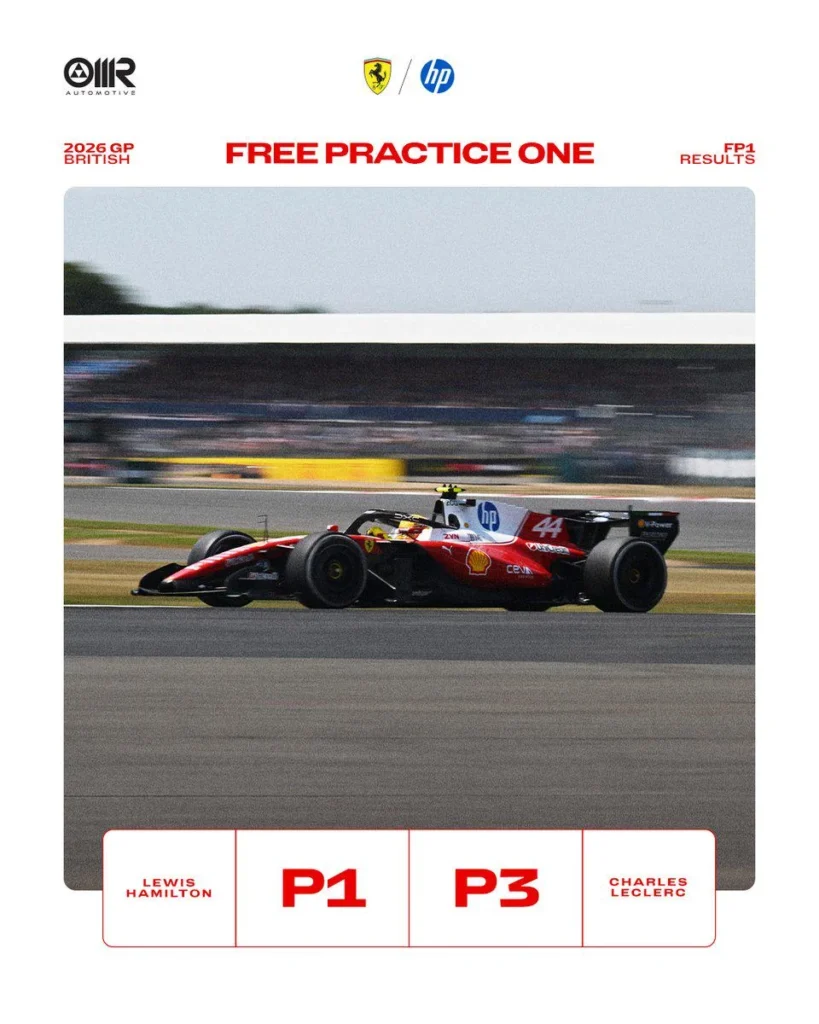
But Hamilton at Silverstone is different. Ferrari putting him P1 in the only practice session of the weekend is enough to make the entire paddock look twice. Add Leclerc in P3, Mercedes looking suspiciously strong, Red Bull looking fixable, and McLaren looking nervous, and FP1 gave us exactly what a sprint weekend needs.
Hope, confusion, and just enough chaos to make Sprint Qualifying feel enormous. Ferrari may be fast. Mercedes may be hiding. Red Bull may fix it. McLaren may be in trouble.
And the 2026 cars may have just turned Silverstone into the first real stress test of Formula 1’s new era.