

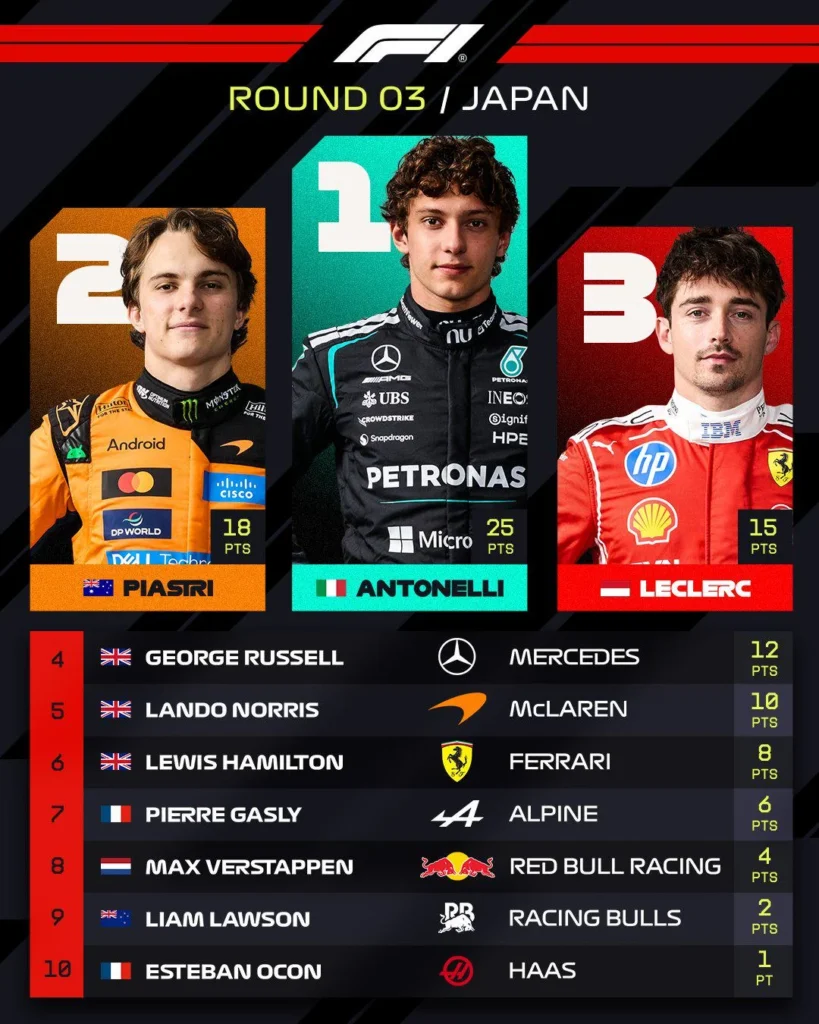
Formula 1 arrived in Japan expecting another early-season benchmark. Instead, Suzuka became something far more consequential: a tipping point.
Across the paddock, across the grid, and increasingly across the fanbase, a single theme has taken hold — the 2026 regulations are not just flawed. They are fundamentally changing what Formula 1 is.
And after a weekend defined by Oliver Bearman’s crash, erratic racing dynamics, and growing driver frustration, the sport now finds itself facing an uncomfortable question:
Who is actually in control — the driver, or the machine?
A Race Defined by What Drivers Couldn’t Control
The most striking revelation to emerge from Suzuka wasn’t a result, a strategy call, or even the crash itself.
It was a realization.
Drivers are no longer fully in control of their cars.
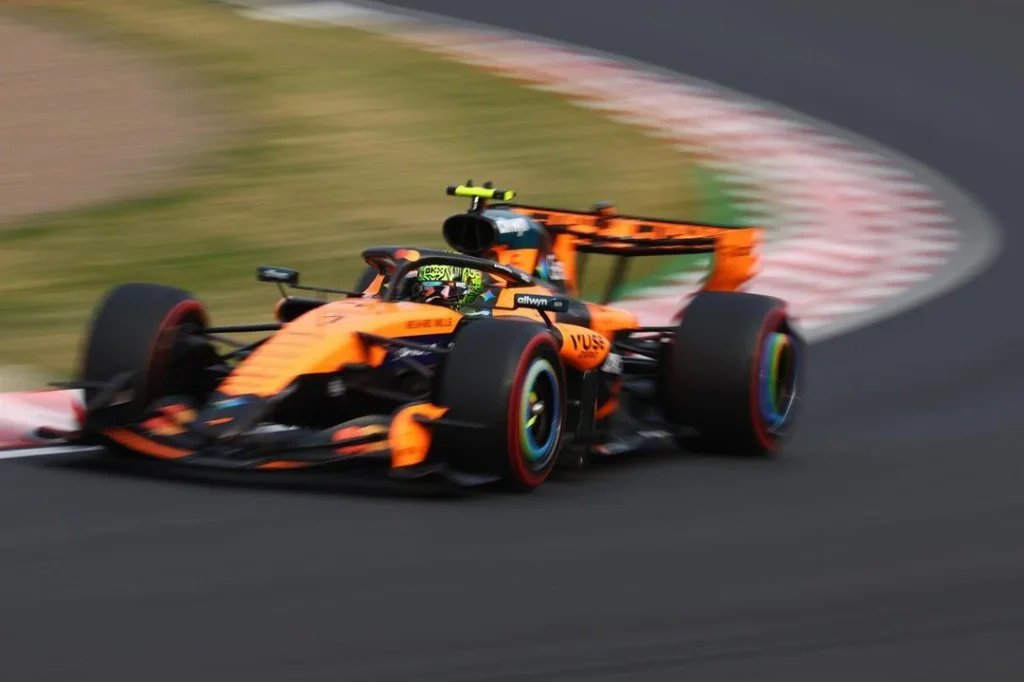
Lando Norris laid it out bluntly after his battle with Lewis Hamilton:
He didn’t even want to overtake — the car deployed battery anyway. He passed, ran out of energy, and was immediately repassed.
What looks like aggressive racing on broadcast is, in reality, something far stranger — and far less organic.
Overtakes are no longer purely initiated by driver intent. Instead:
- Energy deployment follows pre-programmed algorithms
- Throttle inputs, lifts, and micro-adjustments can trigger unintended power surges
- A small mistake — even a slight lift for oversteer — can destroy an entire lap’s energy profile
In essence, drivers are managing consequences, not decisions.
That explains the now-common “yo-yo” racing:
- One car surges past with sudden speed
- Immediately becomes vulnerable on the next straight
- Positions reverse just as quickly
To many watching, it initially looked like close racing.
Now, it looks like automation masquerading as competition.
From Skill to System: The Identity Crisis of F1
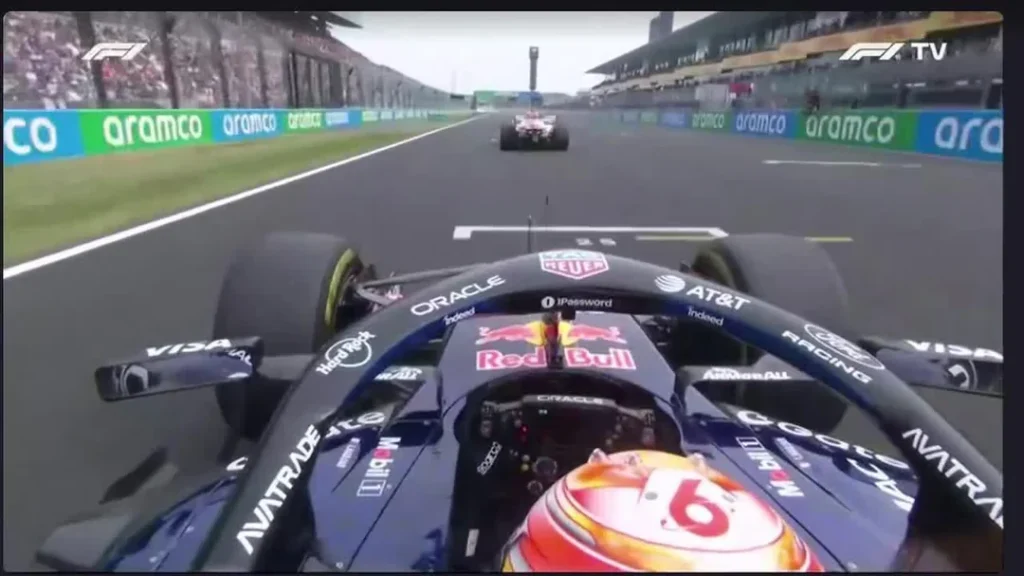
This shift has triggered a deeper concern — not just about safety, but about the essence of the sport.
Fans are beginning to connect the dots:
- Why overtakes feel random
- Why teammates can have wildly different pace
- Why clean-air leaders suddenly look “perfect”
Because the reality is increasingly uncomfortable:
The fastest car is often the one doing the least.
When left alone, the system executes its optimal deployment model.
When drivers intervene — defending, attacking, correcting — they disrupt that model.
That inversion flips decades of racing logic on its head.
Instead of rewarding:
- aggression
- adaptability
- racecraft
…the current system can reward:
- predictability
- smoothness
- minimal deviation
Or as one fan summarized bluntly:
“The car drives best when the driver does nothing.”
Safety Concerns Turn Theoretical Into Urgent
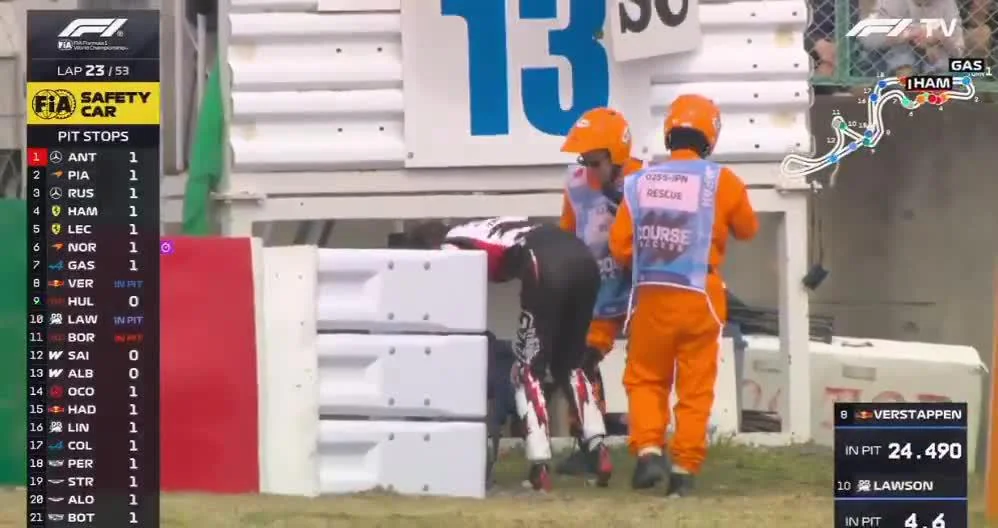
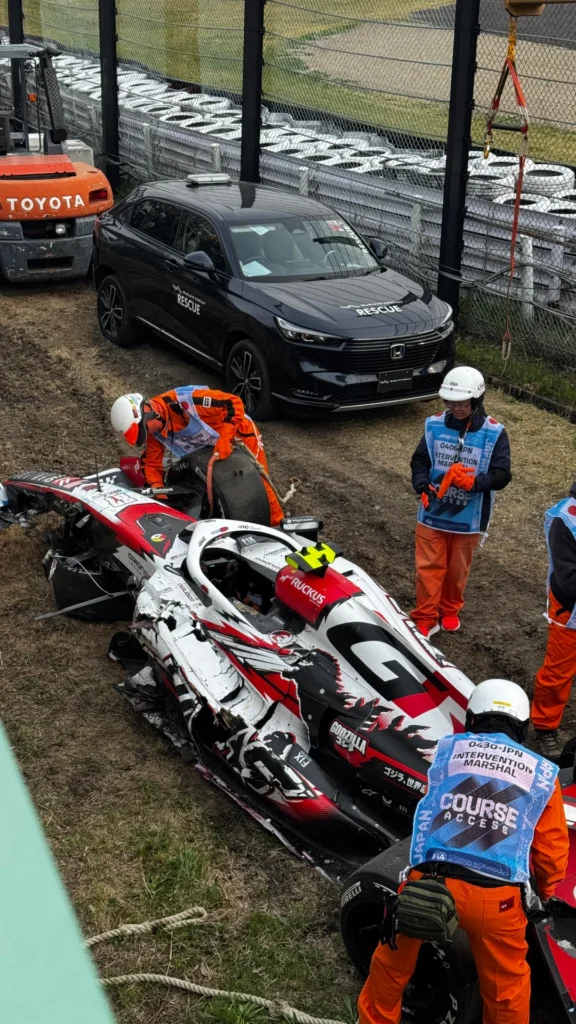
This might have remained a philosophical debate — if not for Bearman’s crash.
Suddenly, the risks became tangible.
Drivers and fans alike are pointing to the same core issue:
Unpredictable power delivery creates unpredictable speed differentials.
At Suzuka — a track defined by high-speed commitment — that becomes dangerous quickly:
- Cars can lose deployment mid-straight
- Following cars can gain massive closing speeds (reported up to ~50 km/h)
- Drivers can’t anticipate when rivals will surge or slow
The result is a mismatch between:
- What drivers expect from years of experience
- What the car actually does in the moment
And that gap is where incidents happen.
The concern is no longer hypothetical. It’s immediate.
Multiple voices across the paddock are now framing this not as a performance issue — but a safety one.
Because in Formula 1, that’s the only argument that forces change.
The FIA’s Realization — And the Problem Ahead
Behind the scenes, there are already signs of movement.
There is growing acknowledgment that the 50/50 split between internal combustion and electric power has not worked as intended.
Short-term discussions reportedly include:
- Reducing energy deployment limits
- Adjusting output rates of the electric motor
Long-term conversations go further:
- Rebalancing the ICE vs. electric split
- Revisiting fundamental architecture of the power unit
But there’s a problem.
The same issue that created these regulations still exists:
The teams don’t agree.
Manufacturers pushed for these rules — prioritizing:
- road relevance
- hybrid development
- cost considerations
Now:
- Drivers are pushing back
- Fans are increasingly critical
- Some teams benefit from the current system
Which creates a stalemate.
Because in modern F1 governance, consensus is required — unless safety forces intervention.
A Grid Divided — Even Within Teams
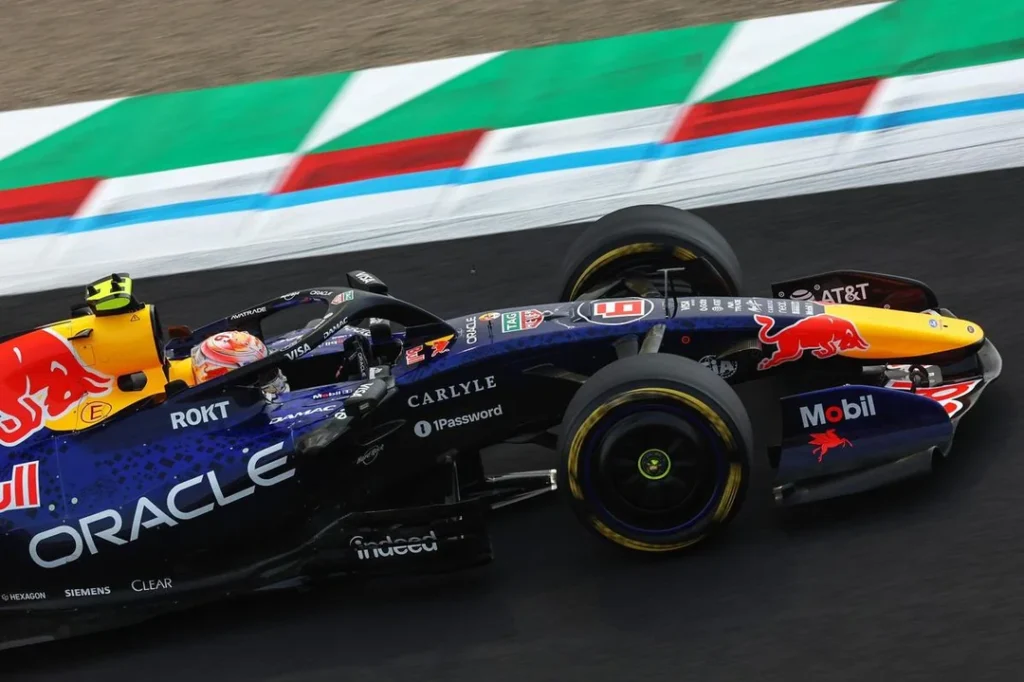
One of the most revealing dynamics emerging from Suzuka is internal conflict.
Drivers and teams are no longer aligned.
- Drivers want control restored
- Teams want to protect investment
- Leading teams are less incentivized to change
That disconnect is unprecedented in its visibility.
Even historically, regulation debates happened between teams.
Now, they’re happening inside them.
And that fracture may ultimately be the biggest catalyst for change.
Lost in the Chaos: Performances That Deserved More
Amid all of this, the race itself still produced standout performances — many of which were overshadowed.
Pierre Gasly quietly delivered one of the drives of the weekend:
- Strongest teammate differential
- Controlled run to P7
- Continued overperformance relative to machinery
Yet barely featured in broadcast coverage.
This sparked another layer of frustration — not about regulations, but presentation:
- Midfield battles missed
- Narrative focused almost entirely on the front
- A grid of 22 drivers reduced to a handful of storylines
Even in a race full of chaos, much of the field remained invisible.
Kimi Antonelli: The Future Arrives — Fast
While the sport wrestles with its present, one storyline points firmly to the future.
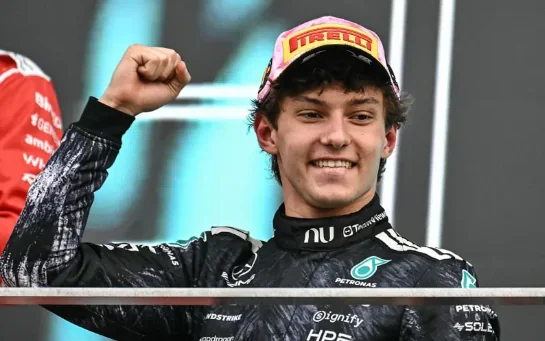
Kimi Antonelli.
- First Italian to lead the championship since 2005
- Already stacking wins, poles, and milestones
- Still in just his second season
His rise has sparked both excitement and irony.
Because while he represents the next generation of talent, his success is unfolding in a system where:
raw driving ability is increasingly entangled with system optimization.
That tension defines the moment.
Charles Leclerc: The Talent Without the Car
If Antonelli represents emergence, Charles Leclerc represents something else:
unfinished potential.
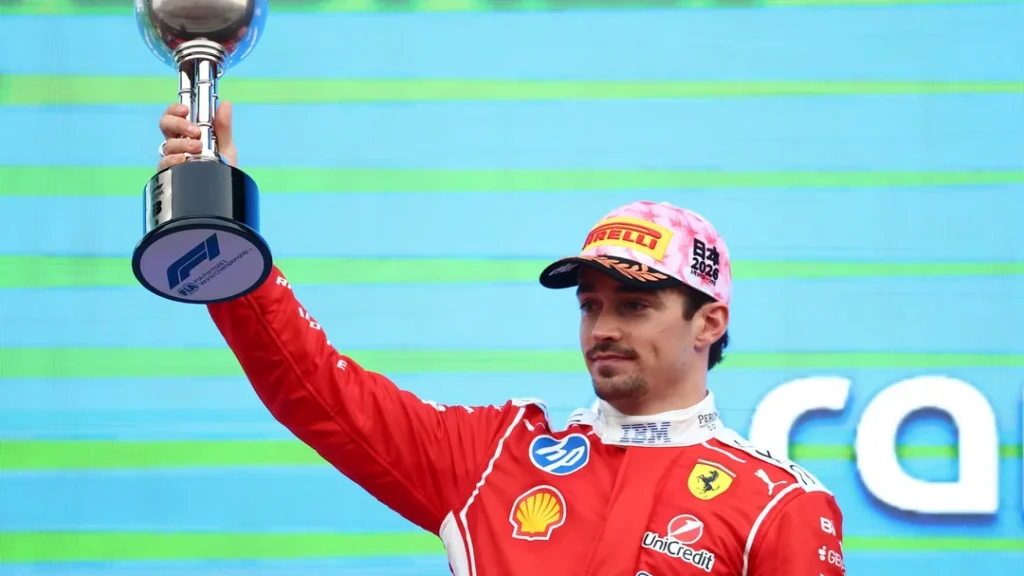
Another podium in Japan adds to a career now rich in consistency:
- Climbing the all-time podium list
- Matching legends in appearances
- Still lacking a true championship-caliber car
Fans are increasingly framing his career as:
- one of the strongest drivers of his era
- without the machinery to fully prove it
And under the current regulations, his strengths — especially qualifying precision — are arguably diminished further.
Max Verstappen: A Champion Questioning It All
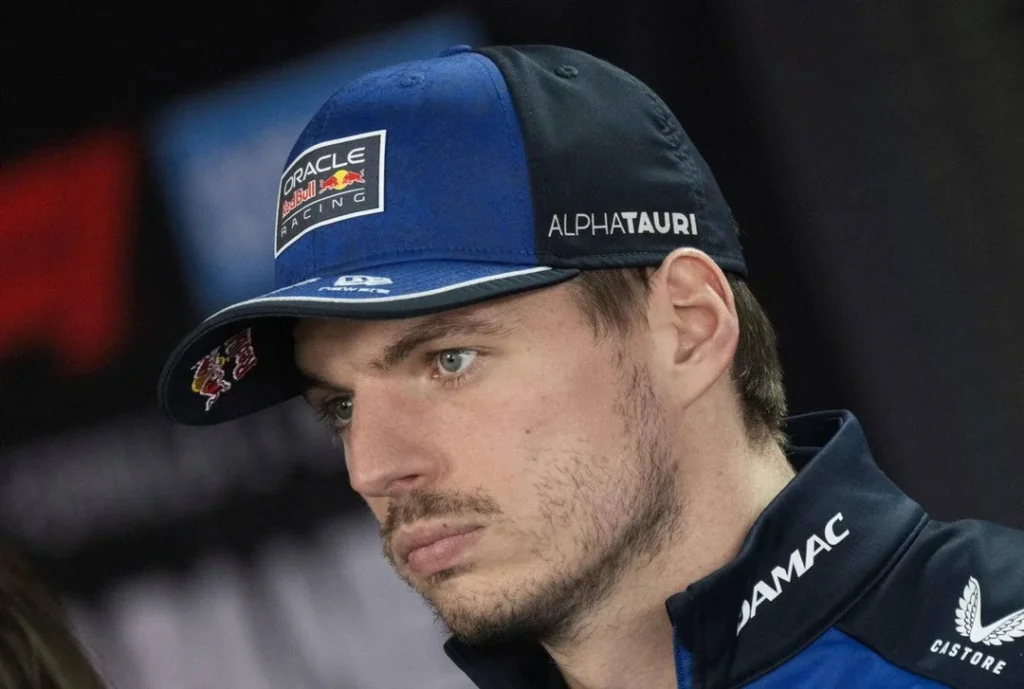
Perhaps the most telling voice in all of this is Max Verstappen.
A dominant champion. At the peak of his powers.
And yet, openly questioning whether it’s still worth it.
His frustration isn’t about losing — it’s about what the sport feels like to drive.
When the benchmark driver of a generation begins to disengage from the experience itself, that’s not a minor signal.
It’s a warning.
Fernando Alonso: Perspective — Or Something Like It
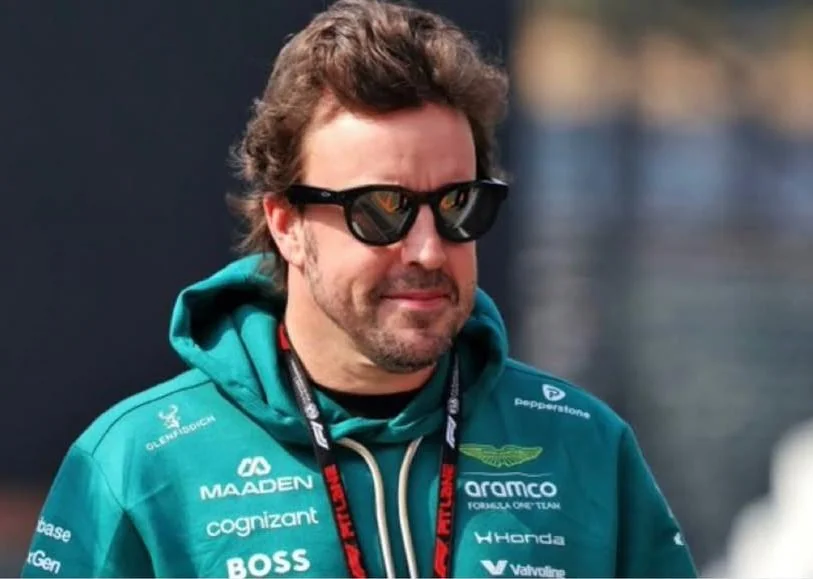
In contrast, Fernando Alonso offers a different lens.
Patience. Longevity. Endurance.
Though even his comments — initially framed as competitive wisdom — required clarification, reminding everyone how easily narratives can distort reality in this moment.
Still, his career arc underscores a truth:
F1 has always required compromise.
The question now is whether that compromise has gone too far.
Where Formula 1 Goes From Here
Suzuka didn’t just expose flaws.
It accelerated a reckoning.
Short-term fixes may come:
- Reduced deployment
- Adjusted energy curves
- Minor regulatory tweaks
But the deeper issue remains unresolved:
What should Formula 1 actually prioritize?
- Engineering innovation?
- Manufacturer relevance?
- Driver control?
- Spectacle?
- Safety?
Right now, it’s trying to balance all of them.
And in doing so, it may be satisfying none.
Conclusion: The Line That Can’t Be Crossed
Every era of Formula 1 evolves.
Technology advances. Philosophies shift. Regulations cycle.
But one principle has always remained constant:
The driver must matter.
Suzuka challenged that.
Not just in theory — but in practice.
When drivers say they are “at the mercy of the power unit”…
When overtakes happen without intent…
When safety becomes a byproduct of unpredictability…
…it stops being a technical debate.
It becomes an existential one.
And now, for the first time in years, Formula 1 isn’t just asking how to improve the racing.
It’s asking what racing even is anymore.