

For Charles Leclerc, the frustration was impossible to hide.
“Driving at the limit isn’t paying off anymore. That’s really frustrating. It’s one big joke.”
For Carlos Sainz, the explanation was even more direct:
“The more you push, the slower you go.”
At Suzuka—a circuit defined by precision, bravery, and commitment—Formula 1 delivered a version of qualifying that felt fundamentally inverted. The fastest drivers in the world were no longer rewarded for attacking the lap. Instead, they were punished for it.
A Qualifying Lap That Punishes Speed
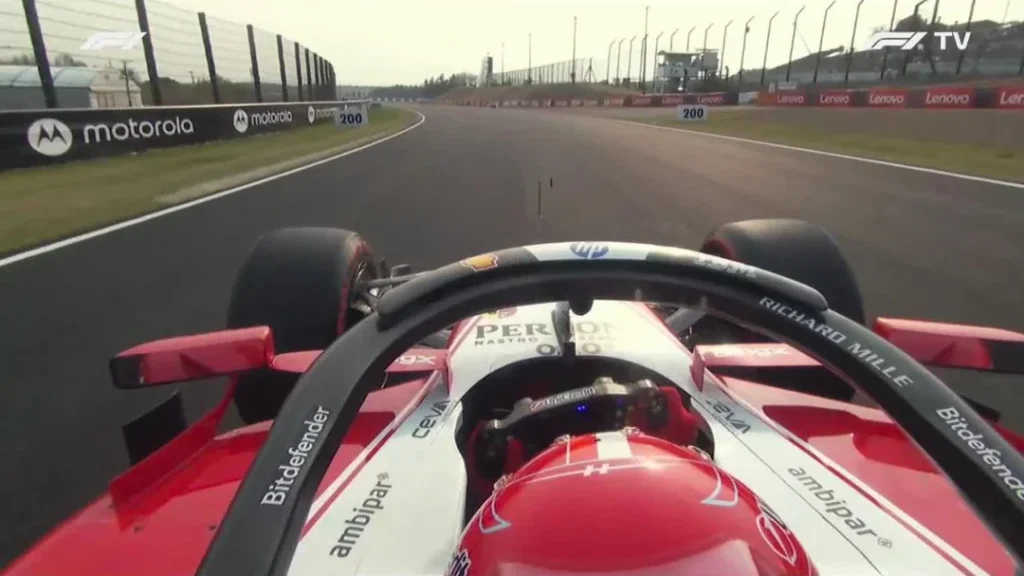
The issue is not subtle, nor is it isolated to one team.
Under the current regulations, lap time is no longer optimized corner by corner. Instead, it is dictated by energy management across the entire lap—specifically how drivers harvest and deploy battery power.
The result is a complete shift in driving philosophy:
- Push harder into corners → reduce energy recovery
- Make a small correction → reset deployment behavior
- Deploy too early → run out of power on the straight
The consequence? A driver can be faster through every corner and still end up slower overall.
That’s exactly what Sainz described after qualifying—gaining time in the corners, only to lose it all down the straights.
When One Mistake Ruins Everything
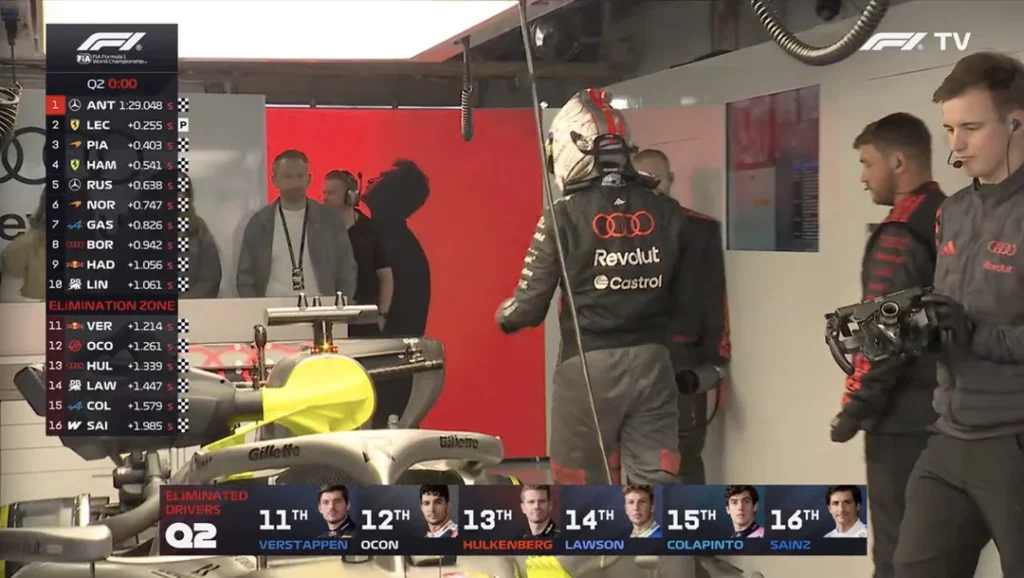
In previous eras, a mistake cost tenths. In 2026, it can cost the entire lap.
A small snap of oversteer—something drivers instinctively correct—now triggers a cascade:
- Throttle lift resets deployment thresholds
- Battery output ramps differently
- Energy is consumed earlier than intended
- Straight-line speed collapses
Both Lewis Hamilton and Max Verstappen experienced exactly this. A momentary loss of rear grip didn’t just hurt corner exit—it compromised performance all the way down the following straight.
In this system, mistakes are no longer local. They are systemic.
Suzuka’s Identity Turned Inside Out
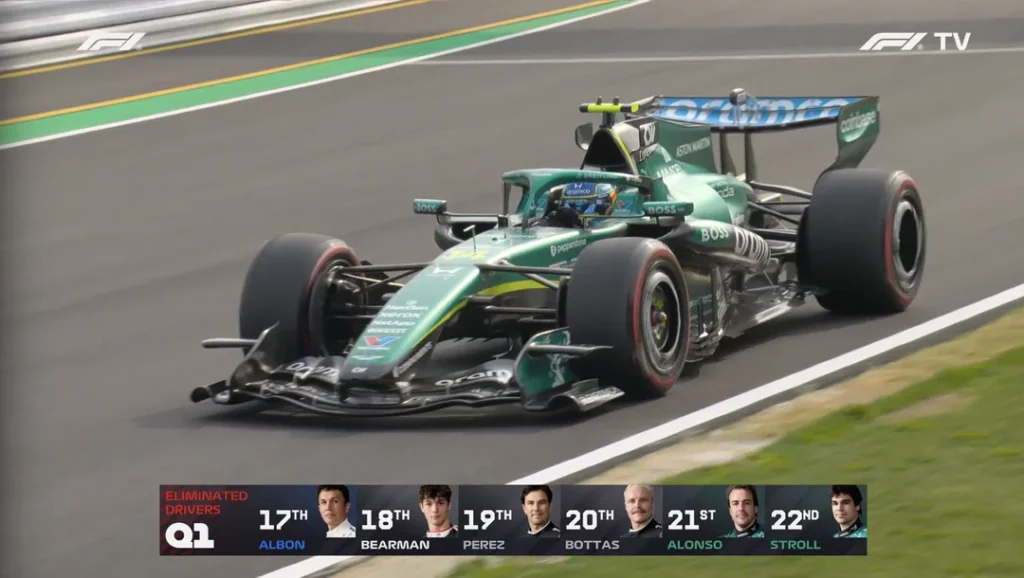
Few circuits expose this issue more clearly than Suzuka.
Traditionally, corners like Spoon and 130R are where elite drivers separate themselves—high-speed sequences that reward commitment and precision. But under the current regulations, those same corners have taken on a very different role.
As Fernando Alonso put it:
“High-speed corners now became the charging station for the car.”
Instead of attacking these sections, drivers are incentivized to manage them—to lift slightly, to prioritize energy recovery, to prepare for the straight rather than maximize the corner.
The fastest parts of the track are no longer where drivers push. They’re where they hold back.
The Death of the “Hero Lap”
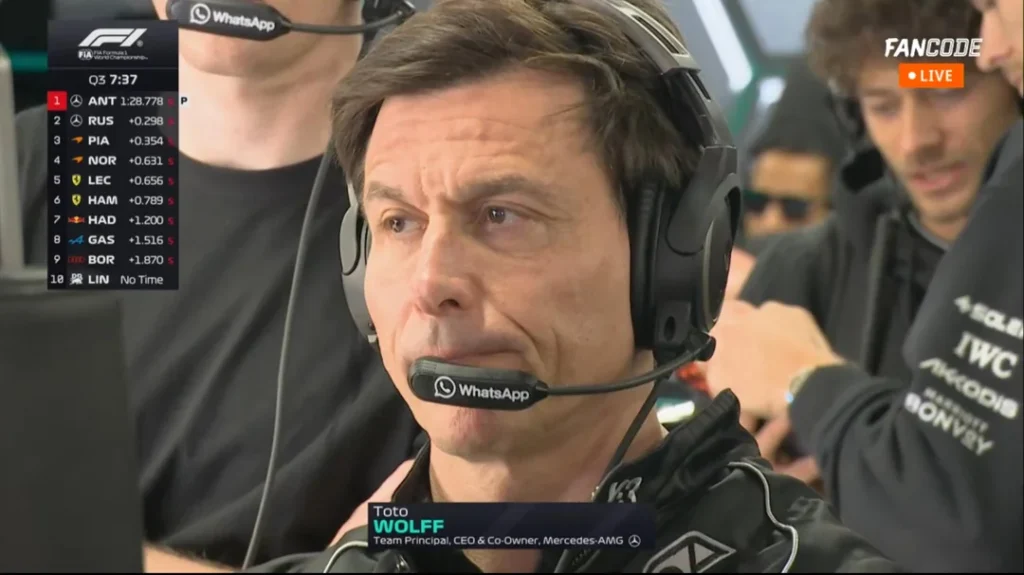
For years, qualifying has been Formula 1’s purest spectacle: one lap, no excuses, maximum attack.
At Suzuka, that spectacle was notably absent.
There were no dramatic last-gasp improvements. No visible over-the-limit driving. No sense that drivers were extracting everything from the car.
Instead:
- Banker laps held up
- Final runs rarely improved
- The order felt predetermined
When the optimal lap is one that any driver can execute cleanly—rather than one that requires risk—qualifying loses its defining characteristic.
When Even the Broadcast Can’t Sell It
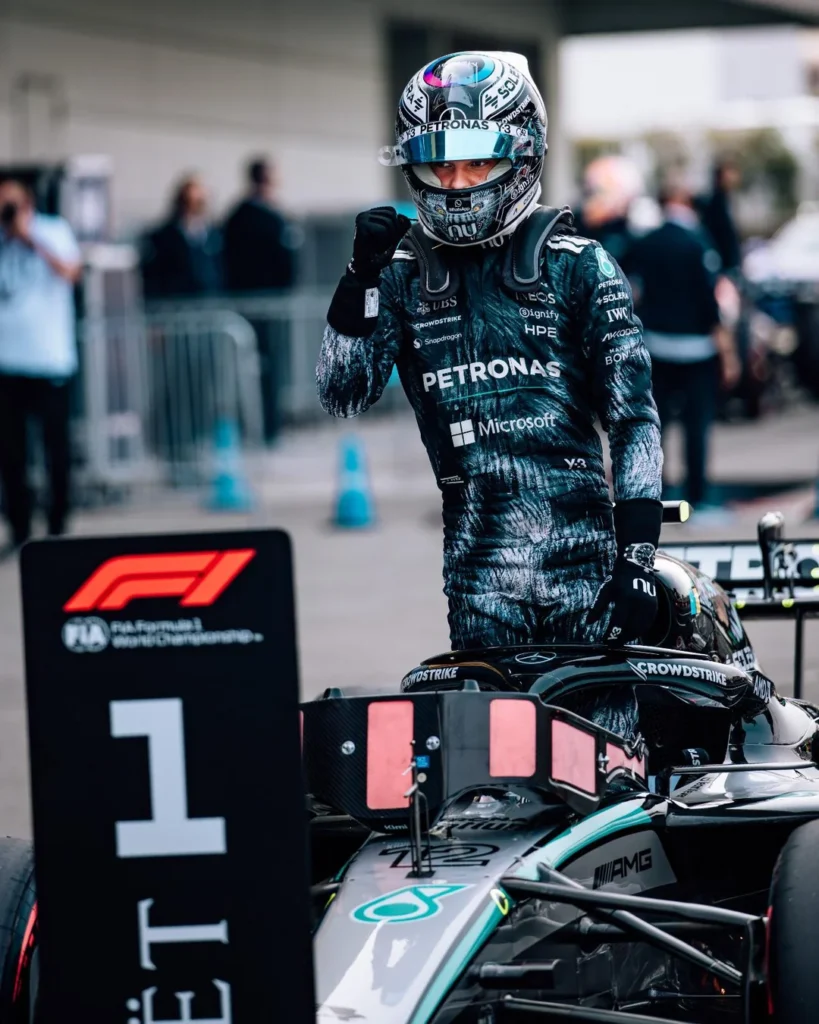
The disconnect wasn’t just on track—it extended to how the session was presented.
The pole lap from Kimi Antonelli—a historic moment—wasn’t shown in full onboard due to a reported technical issue. Combined with frequent broadcast cuts away from key sections of the lap, it added to a growing perception among fans:
That the product being shown isn’t quite the full picture.
There’s no evidence of intentional concealment. But perception matters. And when viewers already feel something is off, moments like this reinforce skepticism.
From Frustration to Disengagement
What’s most striking is how quickly fan sentiment has shifted.
This isn’t just criticism—it’s withdrawal.
- Longtime viewers skipping qualifying altogether
- Sessions reduced to background viewing
- A growing sense that outcomes are inevitable
For many, the issue isn’t just that qualifying is worse—it’s that it no longer feels meaningful.
When Performance Stops Feeling Real
The ripple effects extend beyond individual laps.
Unexpected results—like weaker teams outperforming stronger ones in isolated moments—aren’t being celebrated as competitive parity. Instead, they’re being questioned.
Not because they’re impossible, but because they feel disconnected from visible performance.
When fans can’t clearly see how a lap was achieved—when speed, effort, and outcome no longer align—the credibility of the competition begins to erode.
The Core Problem
Formula 1 hasn’t removed performance.
But it has removed the visibility of performance.
Drivers are still operating at an elite level—managing energy, executing within constraints, optimizing complex systems. But that skill set is largely invisible to the viewer.
What fans see instead is:
- Cars lifting where they used to attack
- Speed dropping where it used to peak
- Overtakes driven by deployment cycles rather than racecraft
And when that happens, the sport stops feeling like the pinnacle of anything.
What Comes Next
The concern now is not whether the issue exists—it’s that everyone agrees it does.
Drivers have spoken out. Team principals have acknowledged it. Fans are already disengaging.
The question is no longer what’s wrong with qualifying.
It’s:
How long can Formula 1 continue like this before qualifying stops mattering altogether?