

Free Practice 2 at Suzuka didn’t just offer a glimpse into the competitive order for the Japanese Grand Prix, it exposed a deeper identity crisis within Formula 1’s new era. On paper, the session looked promising: close gaps, improved racing, and a mix of teams near the front. But beneath the timing sheets, a far more complicated, and increasingly controversial, story is unfolding.
Clipping Turns Suzuka’s Fastest Corner Into a Lift Zone
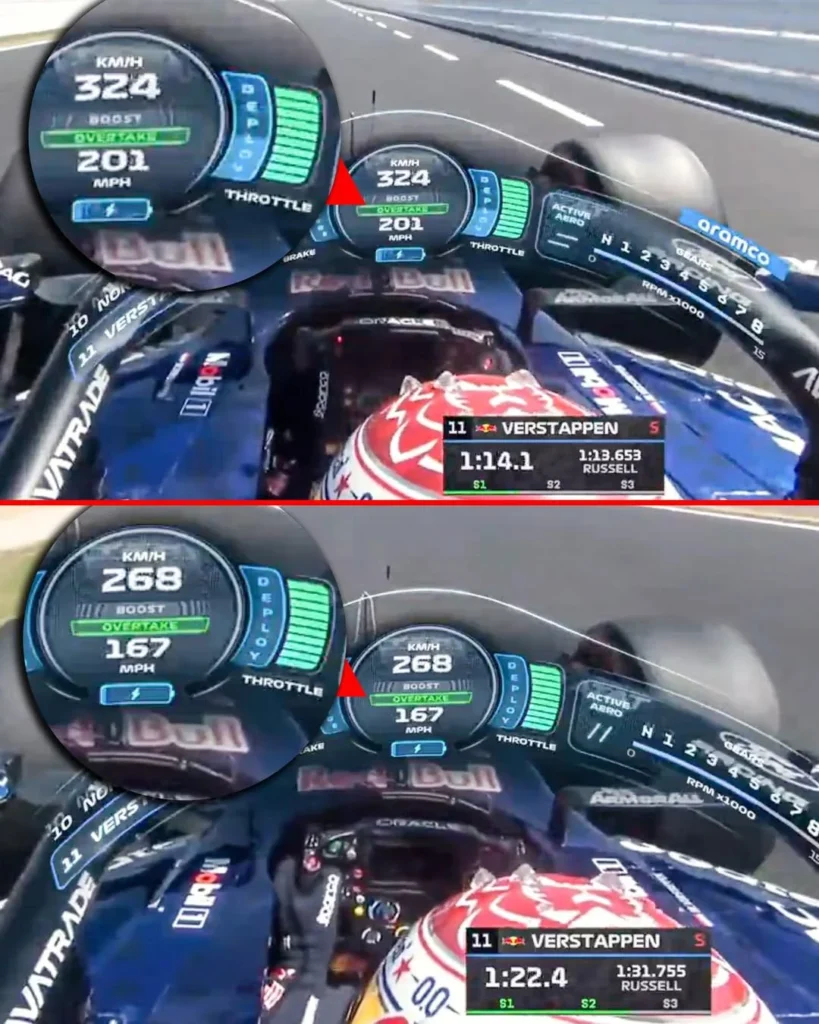
The defining image of FP2 came at 130R. A corner once synonymous with commitment and bravery instead became a case study in compromise. Drivers were flat on the throttle, yet slowing dramatically.
Across the field, cars were shedding staggering amounts of speed:
- Franco Colapinto lost 70 km/h
- Lance Stroll 65 km/h
- Pierre Gasly 64 km/h
- Carlos Sainz 61 km/h
- Fernando Alonso 60 km/h
- Multiple others hovered in the 55-58 km/h range
The visual was jarring. Full throttle, revs dropping, speed bleeding away. As many observed, it felt less like elite motorsport and more like something fundamentally broken, “hearing those revs die while the pedal is still floored is not good for the soul.”
This isn’t a one-off anomaly. It’s the direct result of an energy model where cars cannot sustain deployment across long sections, forcing them to “super clip,” harvesting energy mid-lap at the cost of performance. The outcome is counterintuitive: drivers arrive at corners not at the limit, but managing deficits.
Even Lewis Hamilton acknowledged the issue bluntly: when clipping occurs, “you arrive in some places and you’re kind of coasting in… that’s probably the least enjoyable part.”
Mercedes Emerges as the Benchmark
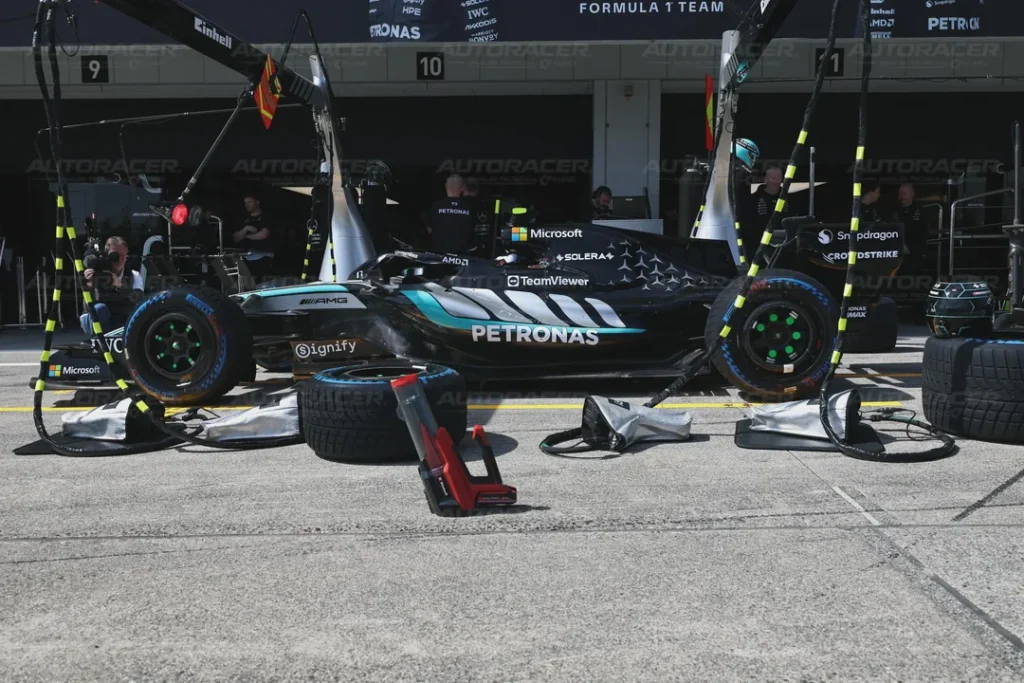
Amid the chaos, one team stood out for all the right reasons.
Mercedes didn’t dominate the headlines—but it dominated the data.
Race simulations showed the W17 running consistent high 1:34s on heavy fuel with minimal degradation, highlighting:
- Superior energy deployment efficiency
- Stable aerodynamic platform
- Strong tire management
Rather than excelling in isolated sectors, Mercedes is currently the most complete car, linking corners and straights with remarkable consistency. Where others struggle with torque delivery and deployment timing, Mercedes appears to have solved the balance.
Even in FP2, there was a growing sense that they weren’t fully showing their hand—“on a stroll and still obliterating the times.”
McLaren Fast, Ferrari Fragile
Behind them, the chasing pack is far less settled.
McLaren: Speed With Caveats
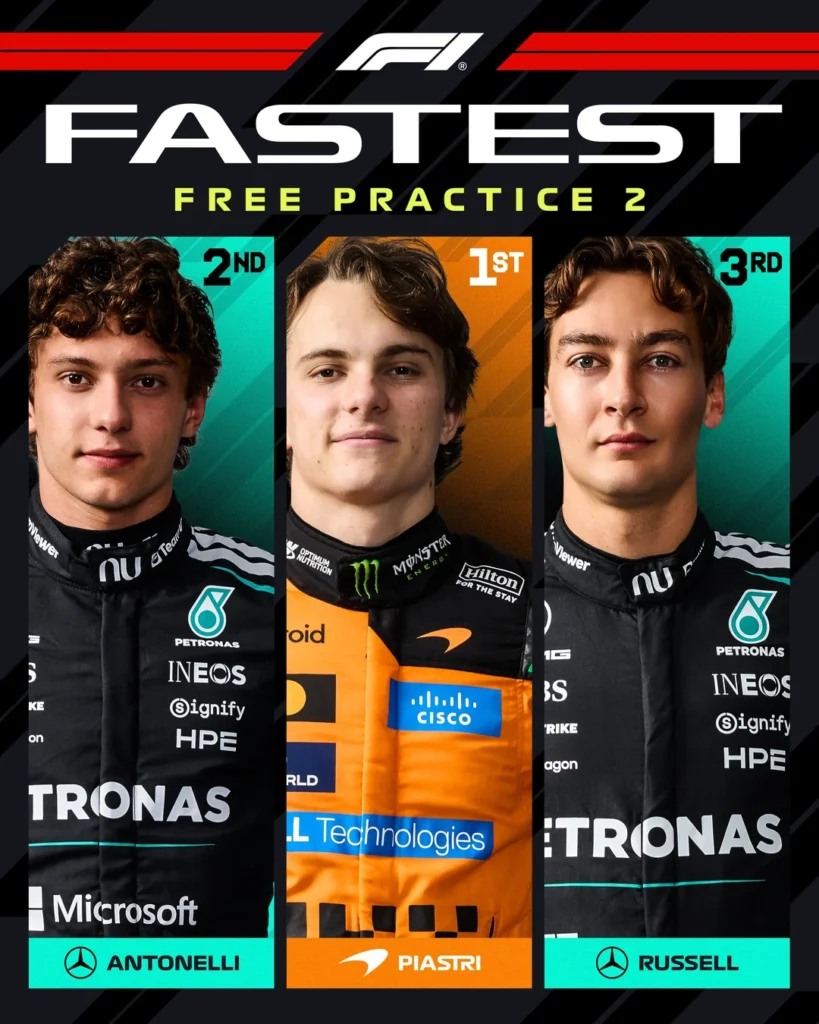
McLaren topped FP2 with Oscar Piastri, continuing a pattern where the car looks sharp over a single lap. Improvements in weight reduction and responsiveness are evident, particularly in:
- Turn-in
- Initial braking phases
But the weaknesses remain:
- Traction instability
- Higher degradation on long runs
- Incomplete aerodynamic platform in sustained corners
The result is a car that looks like a qualifying contender—but not yet a race winner.
Ferrari: Familiar Problems, New Context
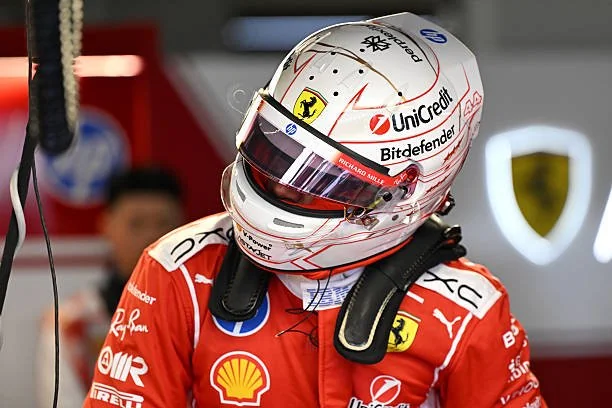
Ferrari’s struggles were more pronounced—and more concerning.
The SF-26 showed:
- Persistent rear instability
- Difficulty on softer compounds
- A continued power deficit on the straights
Drivers were forced into delayed throttle application, never able to commit fully on corner exit. Even when the car straightened, it lacked the acceleration to compete.
Both Hamilton and Charles Leclerc appeared to be fighting the same issues, reinforcing the idea that this is systemic—not setup-specific. As one summary put it: the chassis may have a direction, but execution is still missing.
Midfield Compression and Emerging Variables
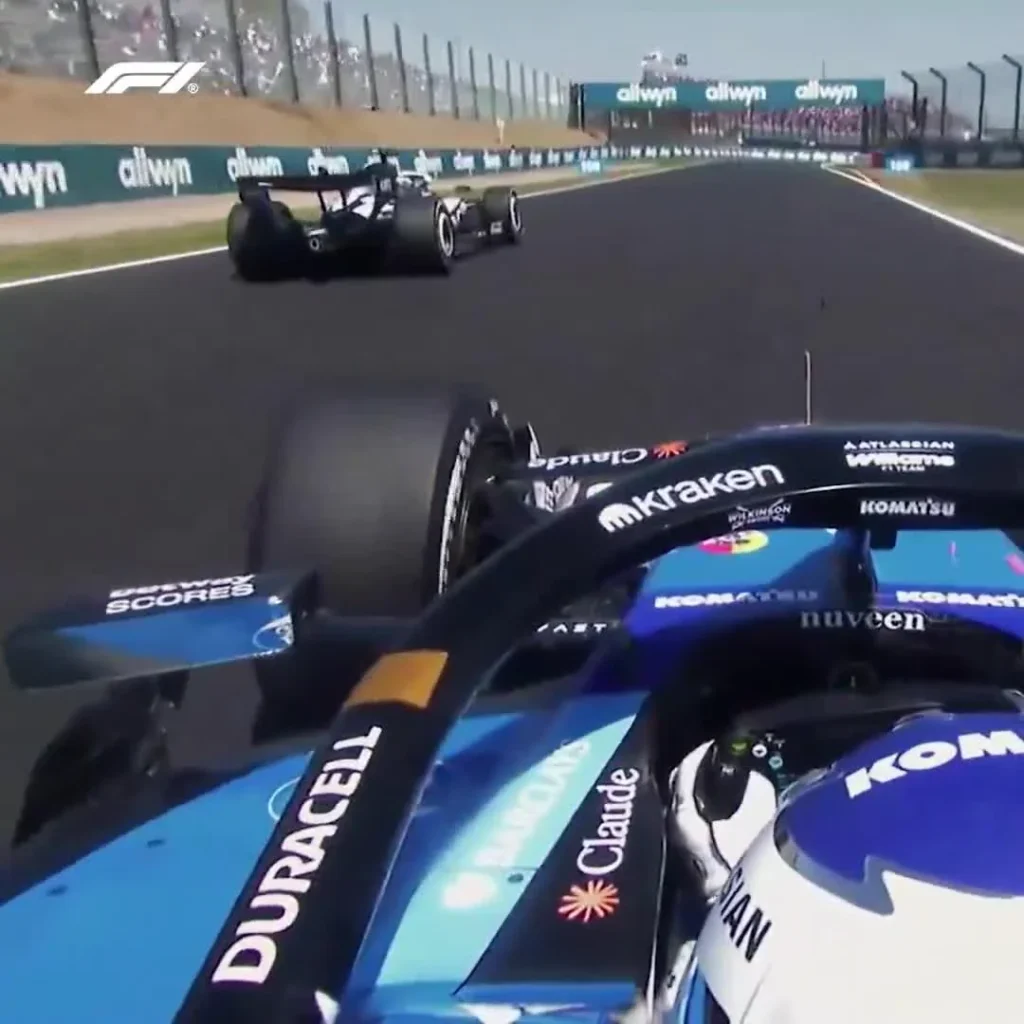
Further down the order, FP2 hinted at a tightening midfield.
Williams, aided by a new front suspension and improved setup confidence, showed signs of life. The gap from P7 to P13 appears increasingly compressed, suggesting that marginal gains—rather than outright performance—will define results.
Elsewhere:
- Aston Martin continues to struggle with both pace and mechanical issues, including visible vibration during practice starts
- Alpine introduced minor aero tweaks, reflecting a broader trend of incremental upgrades across seven teams
- Incidents like the Albon–Perez clash highlighted how unpredictable pace differentials have become within sessions
Even simple track interactions are now influenced by energy states, not just driver intent.
A Sport Searching for Balance
Suzuka has always been a circuit that rewards precision, rhythm, and bravery. FP2 showed that those qualities still matter—but they are now filtered through a system that often overrides them.
The core issue is no longer just performance—it’s philosophy.
Formula 1 has created cars that:
- Are easier to follow
- Can produce closer racing
- But cannot sustain full performance across a lap
The result is a spectacle that feels simultaneously improved and compromised.
There is a growing belief that small regulatory adjustments—particularly around energy deployment and ICE contribution—could unlock the full potential of this era. Increase the engine share slightly, reduce reliance on constrained battery deployment, and many of these issues could be mitigated.
Because the foundation is there.
The cars can race. The drivers can fight. The margins are close.
But at Suzuka, one thing became clear: until the balance between energy and performance is fixed, Formula 1 will continue to look fast—and feel strangely slow at the same time.