

The 2026 Formula 1 season officially began at Melbourne’s Albert Park Circuit with Free Practice 1 for the Australian Grand Prix, offering an early glimpse into the competitive order under the sport’s new regulations. As always with the opening session of a new season, the paddock quickly oscillated between cautious analysis and wild overreaction, often within the same lap.
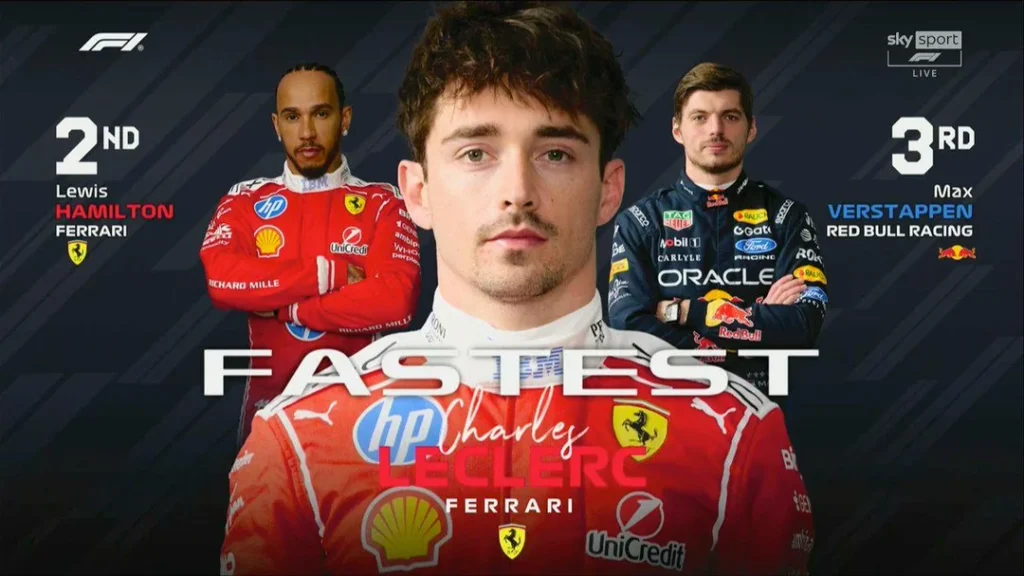
On the timing sheets, Ferrari emerged with the early advantage, as Charles Leclerc set the fastest lap of the session with a 1:20.267, finishing ahead of teammate Lewis Hamilton and Red Bull’s Max Verstappen. The result immediately fueled speculation about Ferrari’s potential championship challenge, with some already imagining a dominant season while others attempted to remind themselves that it was still only the first practice session of the year.
The top ten at the end of FP1 read:
- Charles Leclerc – 1:20.267
- Lewis Hamilton
- Max Verstappen
- Isack Hadjar
- Arvid Lindblad
- Oscar Piastri
- George Russell
- Kimi Antonelli
- Gabriel Bortoleto
- Nico Hülkenberg
Leclerc’s late-session improvement, dropping roughly half a second on his final attempt, stood out as one of the defining moments of the session. Whether representative of true pace or simply early-session experimentation remains unclear, but the performance was enough to spark familiar Ferrari optimism heading into the weekend.
Reliability Concerns Begin Early
While Ferrari’s pace captured headlines, the broader story of FP1 was reliability. Multiple teams encountered early mechanical concerns, raising questions about durability under the new regulations.\
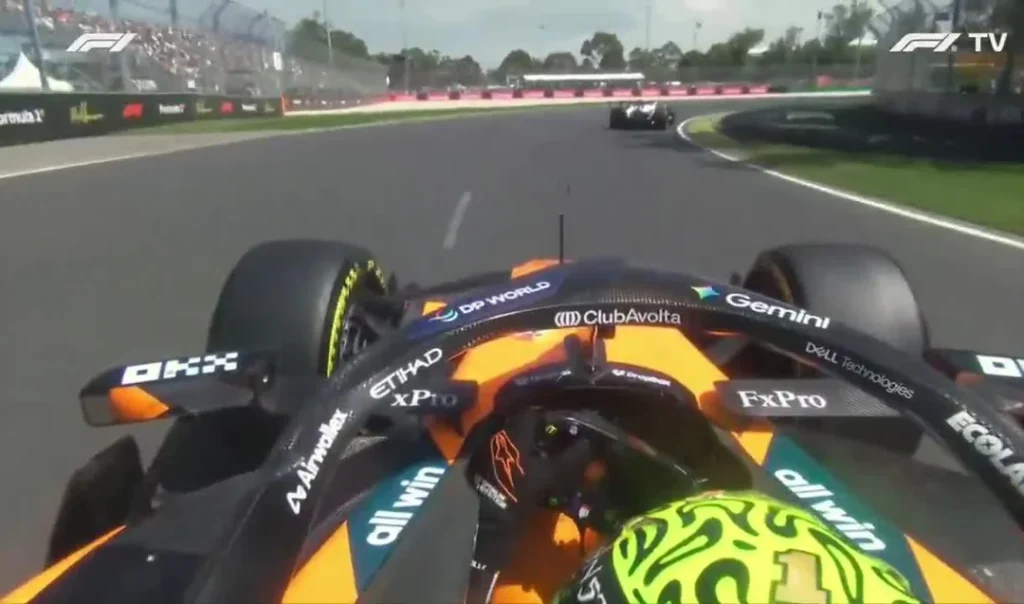
McLaren’s Lando Norris saw his session curtailed after reporting that the car’s downshifts felt “shocking”, with the team quickly calling him back to the pits. The issue was later identified as a gearbox problem, leaving Norris with just seven laps and little meaningful running. The limited track time was compounded by the fact that the issue appeared almost immediately after leaving the pit lane, preventing the team from collecting much usable data.
Across the grid, Aston Martin endured perhaps the most dramatic start to the weekend. Fernando Alonso did not participate in FP1 after the team identified a suspected power unit issue before the session. Lance Stroll’s running was also cut short by a similar problem, leaving the team with minimal mileage and significant questions heading into the rest of the weekend.
With both cars sidelined, the situation quickly drew attention as observers questioned how the team could properly diagnose vibration issues without track data. Some noted that diagnosing such problems purely on a dyno would be difficult, as interactions between the engine, gearbox, chassis, and driver feedback all play a role in identifying the root cause.
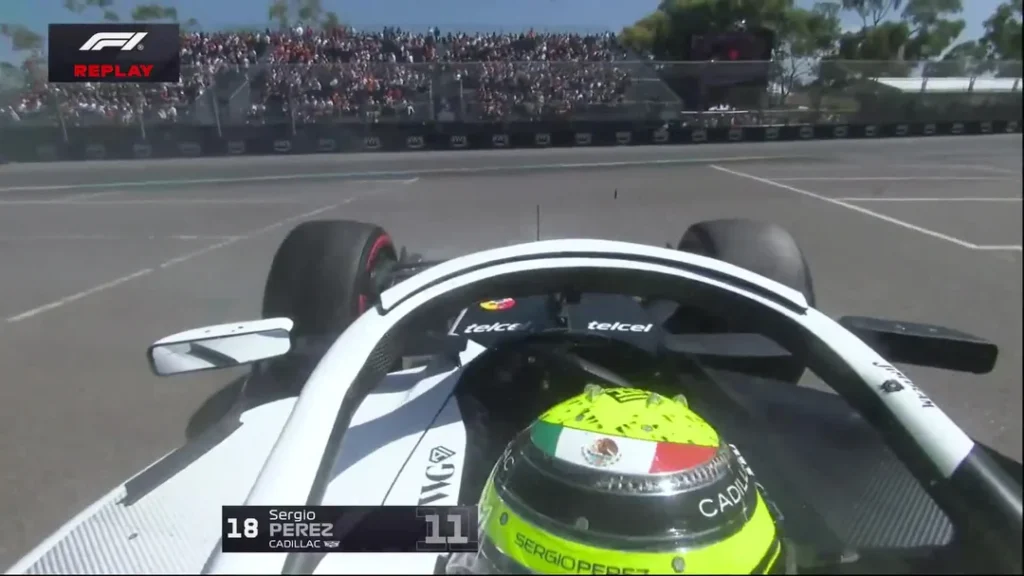
Even teams that avoided outright mechanical failures experienced instability. Cadillac’s Sergio Pérez spun at Turn 4 after the car appeared to suddenly apply aggressive engine braking mid-corner, locking the rear axle and sending him into a spin. Early analysis suggested the incident was likely linked to the behavior of the new power unit systems rather than driver error.
Early Incidents and On-Track Moments
Beyond reliability issues, FP1 featured the usual mix of experimentation and mistakes as drivers searched for the limits of grip.
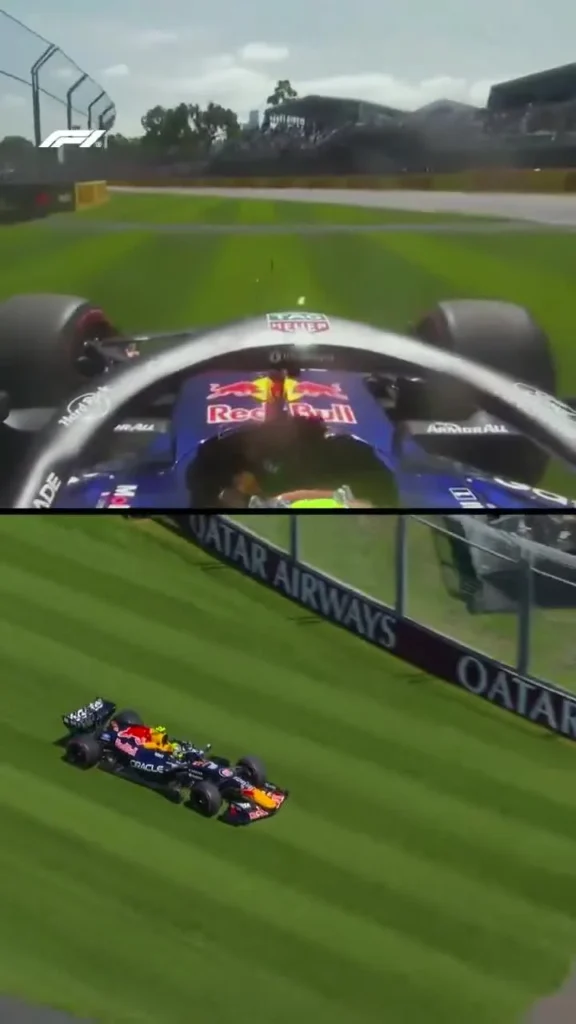
Red Bull’s Isack Hadjar endured a moment at Turn 1, locking up and running wide while attempting to find the limit during a push lap. The corner has historically encouraged such mistakes, particularly early in a race weekend when drivers are still adapting to evolving track conditions.
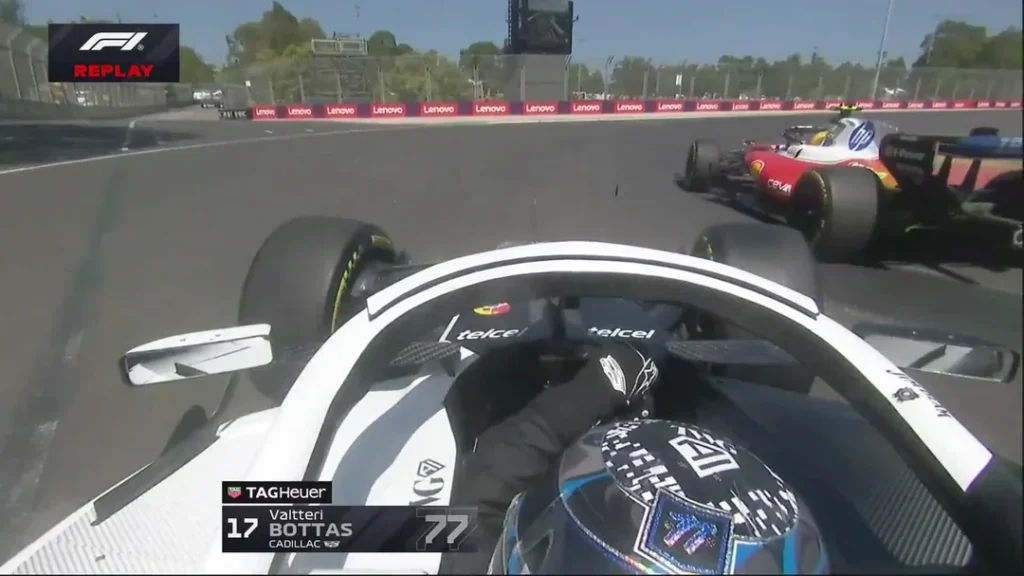
Elsewhere, Valtteri Bottas reported being blocked by Lewis Hamilton, leading to a radio message stating he had been “fully blocked.” The moment carried a certain familiarity, given the pair’s history as Mercedes teammates during the team’s dominant era.
Communication inside Ferrari also drew attention during the session. Hamilton was heard on the radio repeatedly clarifying instructions with his engineer, highlighting that the team is still adjusting to new working relationships and communication styles early in the season.
Broadcast Changes and Technical Experiments
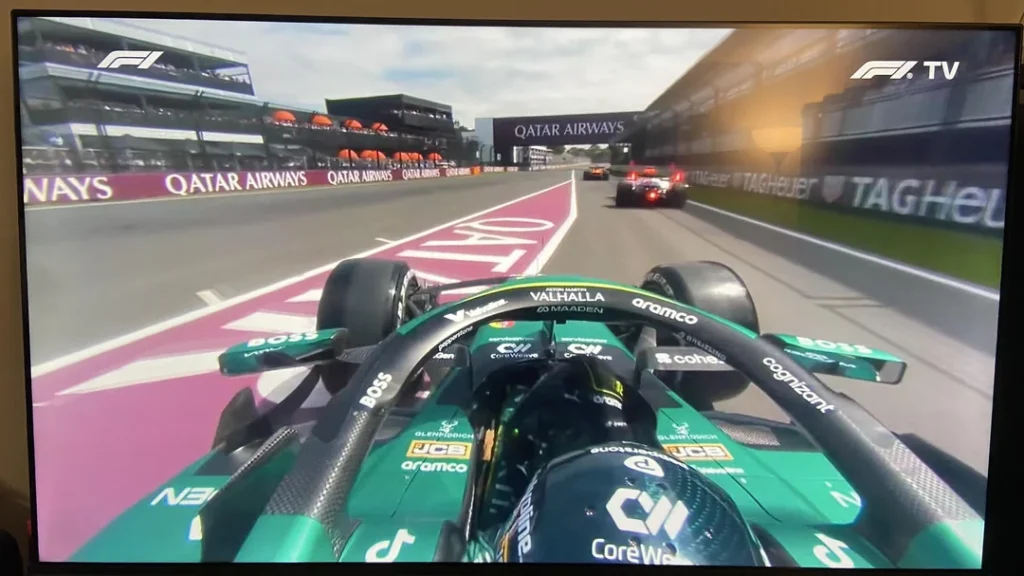
The session also showcased a number of technical and broadcast changes. Some cars were fitted with new wide-angle onboard cameras, which dramatically increased the field of view and enhanced the sense of speed. The cameras are believed to be related to stabilization technology developed during the production of the upcoming Formula 1 film, allowing much wider shots without excessive vibration.
While the visuals impressed many viewers, others questioned whether placing the experimental cameras on cars experiencing heavy vibration might unintentionally turn them into durability tests for the hardware.
Early Pace in the New Era
Perhaps the most reassuring takeaway from the session was the pace of the new-generation cars. Pre-season concerns that the new regulations might produce cars slower than junior formulas appear to have been overstated.
FP1 lap times were only about two seconds slower than qualifying times from 2022 and less than half a second off the fastest FP1 lap from the first season of the previous regulation cycle. Historically, performance improves significantly as teams develop their cars throughout a regulation era, suggesting further gains are likely as the season progresses.
A First Glimpse, But Only That
If FP1 offered any clear conclusion, it was that the competitive order remains difficult to interpret. Ferrari’s early pace was encouraging, but with teams running different programs and fuel loads, drawing firm conclusions would be premature.
What the session did reveal, however, was the potential for unpredictability. With several teams already encountering reliability issues, the early races of the season could resemble earlier eras of Formula 1, where finishing the race was sometimes as important as outright speed.
For now, the only certainty is that the 2026 season has begun with exactly the kind of chaotic intrigue that makes the first race weekend of the year so compelling.