

The Weight of Words: Williams, Vowles, and the Schrödinger FW48
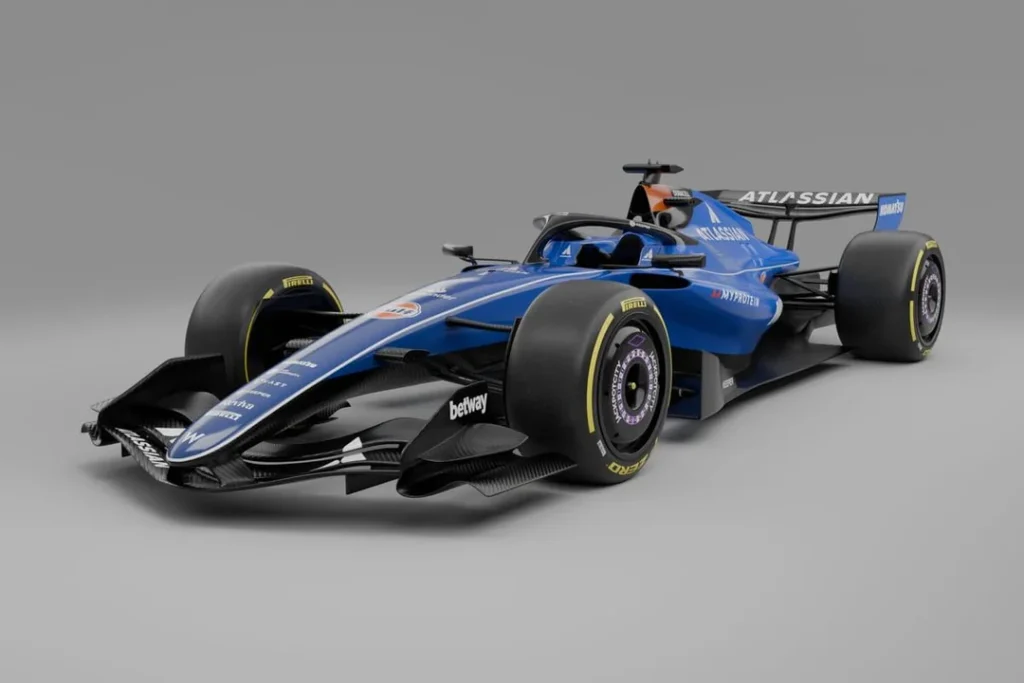
Williams’ 2026 program has become defined less by lap times and more by language. James Vowles described reports of an overweight FW48 as “murmurings,” while insisting that “there’s not a single person” who knows the car’s true weight yet. The statement didn’t deny the claim, it reframed it as unknowable.
That framing triggered an avalanche of interpretation. If the car isn’t fully assembled, some argue, then technically its final weight doesn’t yet exist. Others counter that every part is weighed to the gram and that the sum is, by definition, the weight. Between those poles emerged satire, quantum metaphors, Excel jokes, gravity debates, and the idea that the FW48 both exists and does not exist until observed in Bahrain.
Skipping Barcelona testing only intensified the scrutiny. Vowles cited resource allocation, spares production, weather conditions, and cost-cap risk management. Critics saw PR damage control. Supporters argued that rushing a late car risks bad data and setbacks. Almost everyone agreed on one thing: refusing to say a number invited far more attention than admitting the car was heavy.
New Rules, New Skills: Hamilton on the 2026 Reset
After his first taste of the new-generation cars, Lewis Hamilton described the change as the biggest he’s felt in 19 years. The emphasis, he said, will be on who develops fastest and who best optimizes energy deployment, creating genuine opportunity across the grid.
That optimism was met with cautious excitement. Some expect volatile pecking orders and dramatic swings from upgrades or software tweaks. Others warned that early regulation cycles often produce the widest performance gaps, especially under a cost cap where a single wrong assumption can burn a season’s budget.
Driver adaptability became the focal point. Verstappen’s versatility, Alonso’s longevity, Leclerc’s race craft, Russell’s confidence, and Hamilton’s own braking and straight-line strengths all entered the debate. So did concerns that energy-based overtakes may replace racing with button presses, reigniting long-running arguments over DRS, overtaking rules, and whether modern racing rewards positioning over combat.
The Front Wing Arms Race
Across Barcelona, one thing stood out immediately: front wings. Nearly every team arrived with visibly different interpretations, reviving memories of earlier eras when aero diversity was obvious, and sometimes ugly.
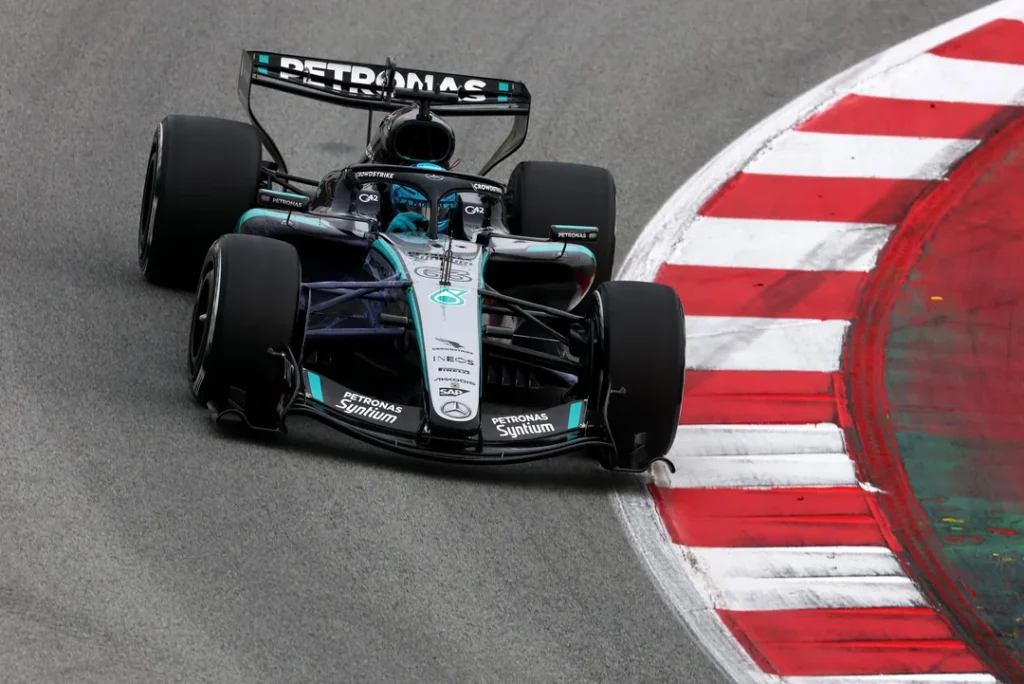
Russell’s 1:17.580 benchmark, just 1.8 seconds off the fastest 2025 race lap, sharpened focus on these designs. Endplates, once dismissed as minor or even expendable, were suddenly treated as major performance levers. Past examples resurfaced where cars appeared faster after losing front-wing elements, sparking debate over balance, understeer, parc fermé compromises, and whether drivers were ever using the full downforce those parts provided.
The bigger question lingered: are these wings independent gains, or deeply integrated with each car’s full aero philosophy? Some fear convergence will come quickly because wings are cheap and visible. Others argue copying without matching bodywork and airflow intent risks breaking everything downstream.
Cold Air, Fast Laps, and Active Aero Anxiety
Barcelona’s cold conditions added another layer of uncertainty. Denser air boosts aero and engines, but tyre warm-up and brake energy become limiting factors. Comparisons to previous seasons quickly grew messy: qualifying vs race pace, fuel loads, battery deployment, regeneration limits, and track-specific characteristics all blurred conclusions.
Active aero emerged as both promise and threat. In theory, higher straight-line speeds mean longer braking zones and better racing. In practice, concerns ranged from failure modes, front wings stuck open under braking, to driver movement, crosswinds, grass contact, and echoes of past DRS-related crashes. Some argued load is now more evenly distributed front-to-rear, reducing instability. Others weren’t convinced and predicted regulation rollbacks after the first serious incident.
Mercedes at the Centre of the Noise
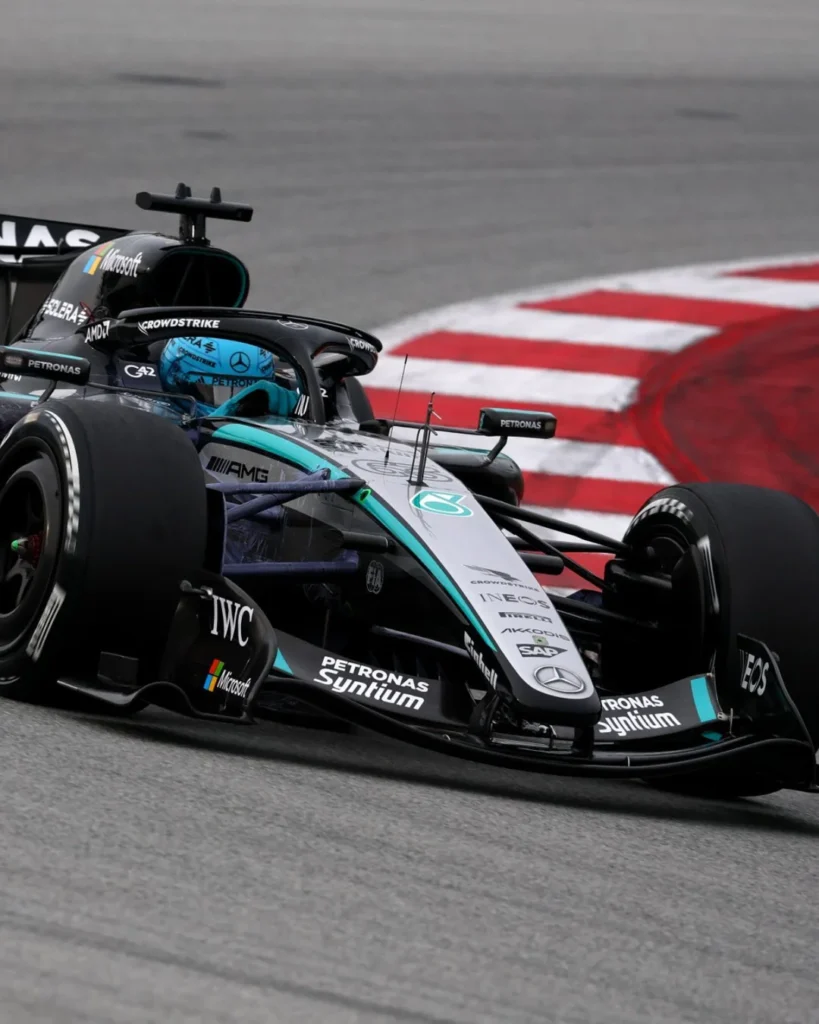
George Russell’s 92-lap morning run, fastest of the test, quickly became the reference point. Beyond the headline time, consistency drew attention: extended stints hovering in the same lap window suggested early operational stability.
This triggered familiar reactions. Some urged restraint, reminding everyone what shakedowns are for. Others argued that reliability plus mileage plus pace is exactly what meaningful indicators look like. Comparisons to past regulation resets followed, with many concluding that fears of the cars being dramatically slower have already been overstated.
Whether that translates to race performance remains open, but Mercedes being both fast and dependable early has already shaped preseason narratives.
Audi’s Reality Check
While others logged laps, Audi endured repeated shakedown interruptions. Opinions split sharply. One side argued that finding faults early is valuable. The other rejected the premise outright: the best outcome is not finding problems early, it’s not having them at all.
Detailed discussion followed on homologation timelines, manufacturing lead times, test-spec versus race-spec power units, and the constraints facing a manufacturer supplying only one team. Comparisons to Red Bull Powertrains and historical precedents like 2014 Mercedes reliability underlined the concern: every lost lap now is a lap competitors are banking.
Few panicked outright, but fewer still framed the situation as anything but a setback.
McLaren’s MCL40: Looks, Livery, and Presence
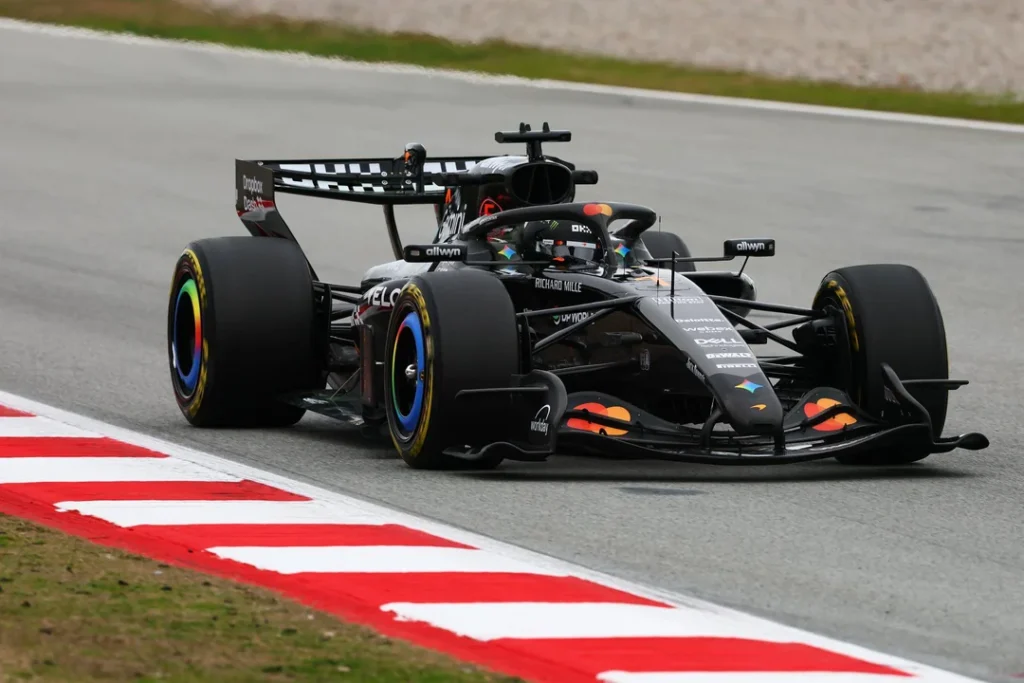
McLaren’s first on-track images of the MCL40 drew immediate attention, not just for its aggressive stance and front-wing movement, but for branding. Gemini’s visual prominence rivaling Mastercard surprised many, sparking debate about AI sponsorships, profitability, and whether this push reflects long-term strategy or sunk-cost desperation.
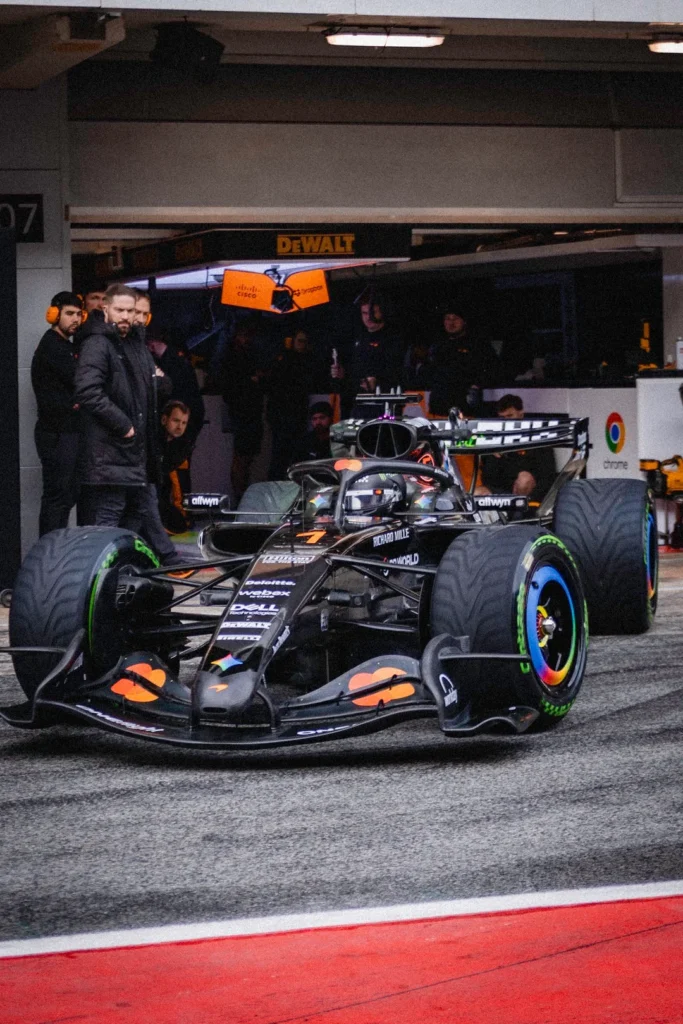
The shakedown livery itself earned praise. Black, mean, and old-school, it amplified the car’s proportions, especially the now-dominant rear tires. Confirmation that it’s temporary didn’t stop fans from wishing it would return later in the season. Black, it seems, still “adds horsepower.”
Cadillac, Color, and the Fear of Yellow
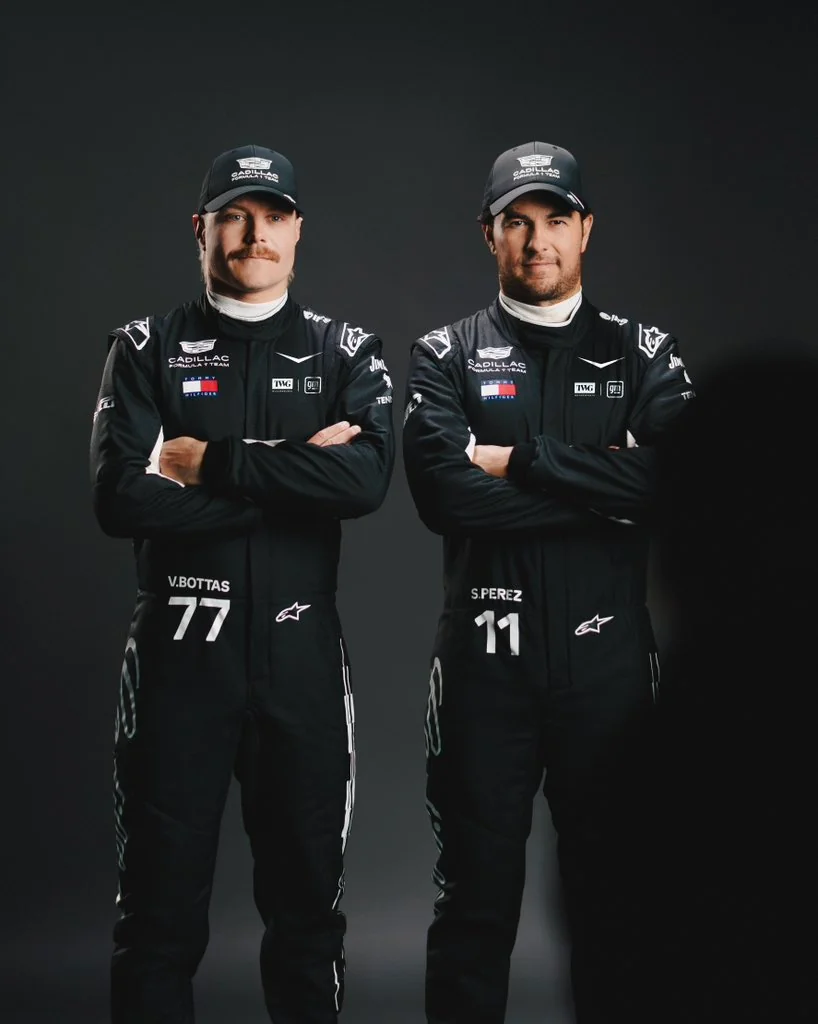
Cadillac’s 2026 race suits opened a different kind of discussion: colour psychology and motorsport trauma. Fans hoped for bold yellow, feared cursed yellow, and mentally replayed WEC and IMSA scars. Black-and-silver expectations dominated, with comparisons to Apex GP, Men in Black, and minimalist menace.
Most accepted the likely outcome. Some just wanted the car to look good, even if it’s slow.
Komatsu’s Perfect Driver, and the Stroll Argument
Ayao Komatsu’s “ultimate F1 driver” recipe blended traits from across the grid: Alonso’s racecraft, Bearman’s qualifying, Verstappen’s wet skill and mindset, Ocon’s work ethic, Sato’s bravery, Petrov’s reactions, and Verstappen’s personality.
Predictably, Lance Stroll’s absence from the wet-weather category reignited debate. What followed was less meme than reassessment: early-career bravery, standout wet drives, Baku heroics, Mugello trauma, and the idea that Stroll’s strength lies in instinct rather than precision. Critics countered that consistency isn’t dominance and that mythology often exceeds results.
By the end, even detractors conceded one thing: the margins discussed are tenths, reaction times, and confidence, small differences amplified by expectation.
A Preseason Defined by Uncertainty
Across all ten storylines, one theme dominates: uncertainty. Cars may or may not be overweight. Lap times may or may not matter. Aero concepts may or may not converge. Reliability may or may not hold. And reputations, teams and drivers alike, are being renegotiated in real time.
Nothing is settled. Everything is argued.
Which, for Formula 1, might be exactly the point.