

A Test Nobody Was Supposed to See, or Measure
What began as a private, early Barcelona shakedown quickly spiraled into one of the most chaotic pre-seasons in recent memory. Timing feeds were cut, spectators were removed from hills and public roads, and a new doctrine appeared to emerge: if you can see the track, you’re on track property.
Officially, none of this mattered. Teams weren’t chasing lap times, the running was private, and the cars are nowhere near race specification. Unofficially, however, timing data still leaked, photos still surfaced, and speculation filled the vacuum almost instantly.
By the end of day one, Barcelona had delivered something far more valuable than lap times: clear early narratives some earned, some exaggerated, and some deeply concerning.
Day One Reality Check: Laps Over Lap Times
According to Racingnews365, Isack Hadjar topped the timing sheets on day one. The consensus reaction was immediate and unanimous: it means almost nothing.
What did matter was mileage. Esteban Ocon logging 154 laps in the Haas stood out as the single most important data point of the day. Mercedes were close behind with 149 laps split between drivers, reinforcing a simple truth of regulation resets: reliability is the first performance metric that matters.
This context reframed the entire conversation. Ferrari-powered cars looked solid from a mileage perspective. Mercedes looked methodical. Red Bull’s new powertrain logged healthy running. Newer projects struggled, which was expected.
Except one.
Williams: From Long-Term Focus to Immediate Alarm
Williams’ absence from the Barcelona test instantly became the dominant story, and not in a good way.
Reports circulated that the Williams car was around 30kg overweight and had failed crash tests, forcing the team to withdraw entirely. Those reports were later partially retracted by SoyMotor, with livestream footage edited, a Twitch stream deleted, and tweets removed. Whether the information was wrong, premature, or simply crossed a line remains unclear.
What is clear is this: Williams didn’t show up at all, despite having equipment already in Barcelona. That alone is a red flag.
Historically, missing early testing, especially in the first year of major regulation changes, has rarely ended well:
| Year | Team | Issue | Outcome |
|---|---|---|---|
| 2010–2012 | HRT | Missed testing | Backmarkers, 0 points |
| 2014 | Sauber C33 | Overweight | 0 points |
| 2015 | McLaren-Honda | Low mileage | Struggled badly early |
| 2019 | Williams FW42 | Missed testing days | 1 point all season |
| 2026 | Williams | Missed Barcelona | TBD |
Context matters: this Barcelona test is unusually early and not the official FIA pre-season test. Williams may only be days or a week behind, not months. But that nuance doesn’t erase the larger issue.
Williams spent years publicly stating that 2024 and 2025 were sacrifices for 2026. When the season that “mattered” finally arrives, they are the only established team not running, while brand-new engine programs and new entrants manage at least partial participation.
That contradiction is what’s driving concern.
A Bigger Problem Than Weight?
The reported 30kg figure is especially troubling because it’s not easily explained by minor fixes. Strengthening a chassis shouldn’t add that much mass. The number happens to align closely with the 2026 minimum weight reduction, prompting uncomfortable speculation:
Did Williams design around the old weight target?
Did an aggressive concept pass simulations but fail reality?
Was something deemed legal until it suddenly wasn’t?
If the issue were simple, the car would be running. The fact it isn’t suggests something deeper, and deeper problems take longer to solve.
This inevitably loops back to leadership. James Vowles has overseen real progress, including Williams’ best season in a decade. But when a team openly deprioritizes multiple seasons, the payoff year comes with expectations. If 2026 doesn’t deliver, accountability will follow, fairly or not.
Audi: Different by Design, Divisive by Nature
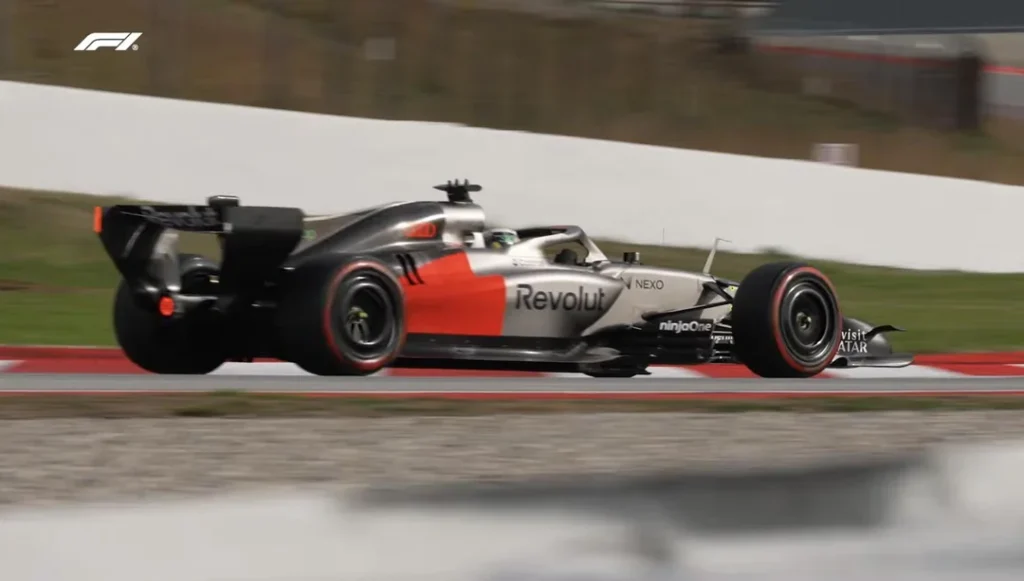
While Williams raised alarm, Audi quietly stole attention for a very different reason.
The Audi R26 revealed a low sidepod concept unlike anything else visible so far. Some immediately flagged it as something other teams will scrutinize in CFD and tunnels. Others dismissed it as basic, possibly even conservative, especially given its Sauber lineage.
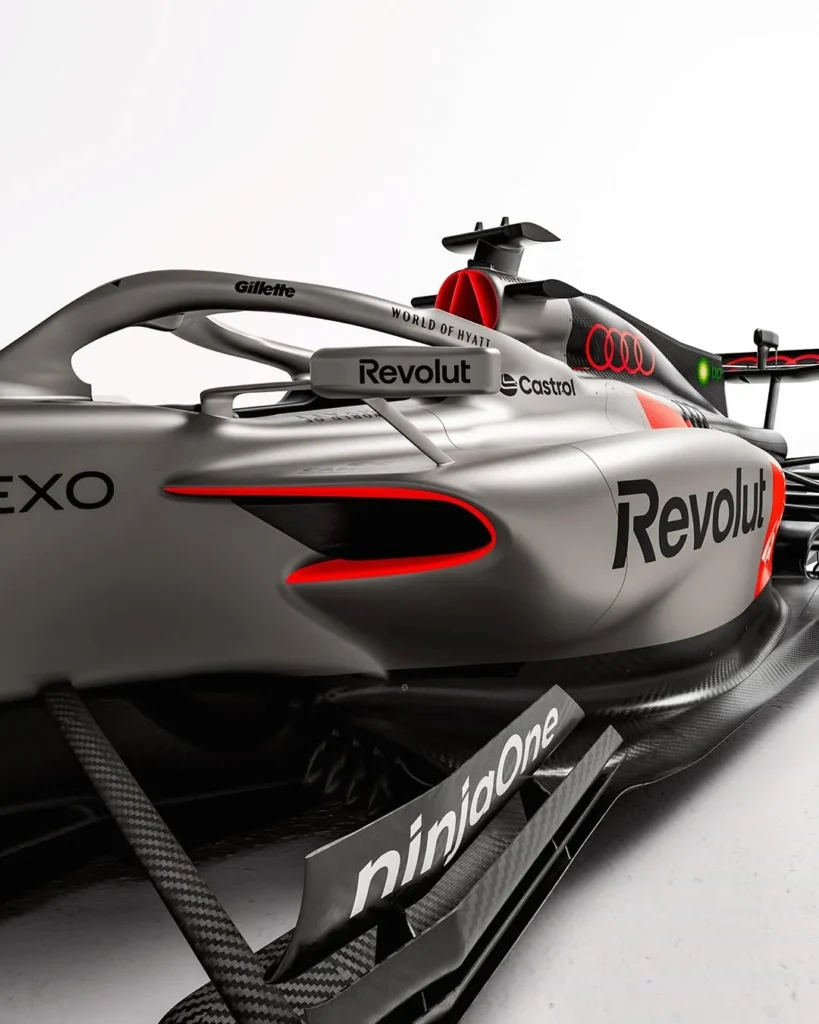
Visually, however, Audi won the day.
Once seen in natural light and motion, the livery drew widespread praise. The glowing orange-red over silver and gunmetal was described as mean, aggressive, and especially striking on track, particularly at night. Initial backlash softened quickly, with many admitting the car looks far better in action than in renders.
Not everyone loved it. Critics pointed to abrupt cut lines, large carbon sections, and a design that feels more road-car than F1. Others countered that restraint is the point, comparing it favorably to historically clean designs and arguing that calling it “bland” misses the intent entirely.
Consensus was impossible, which, for a new works entry, may be the ideal outcome.
The Photos, the Overanalysis, and the Usual Trap
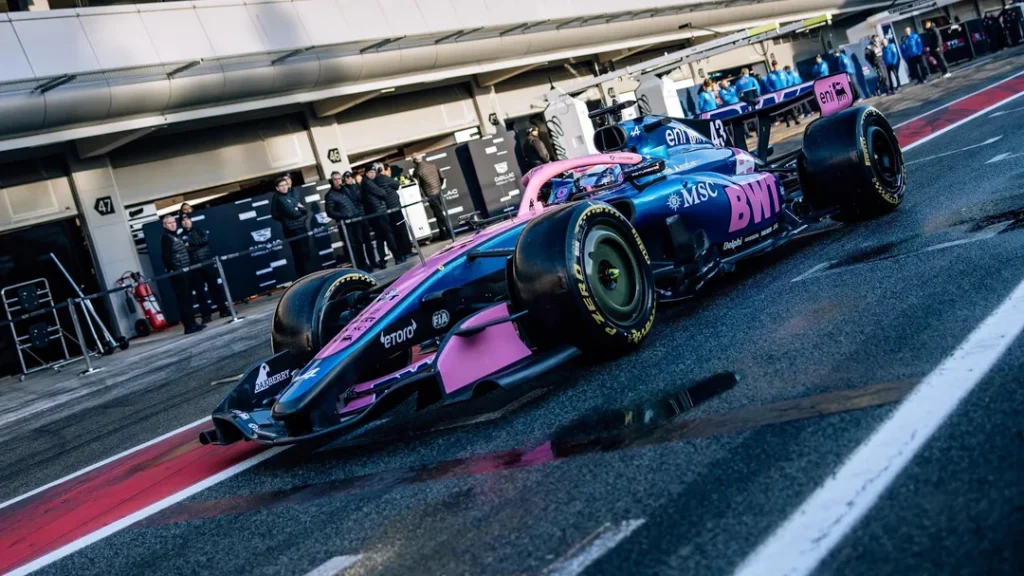
As always, static images invited absurd conclusions. Cars were declared fast because they looked fast. One car was deemed quickest because it appeared slightly ahead in a photo. Slim sidepods resurrected the ghosts of Mercedes’ zero-pod era, complete with reminders of porpoising, tire wake chaos, and the danger of mistaking novelty for superiority.
The most grounded take repeated throughout the discussion was also the simplest: The cars will look very different by the first race.
Shakedown photos don’t decide championships. They barely decide concepts.
What Actually Matters Right Now
Strip away the memes, sarcasm, and historical callbacks, and a few early truths remain:
- Mileage matters more than pace
- Reliability is the real day-one performance indicator
- New teams struggling is normal
- Established teams not running is not
Audi look intriguing. Ferrari-powered cars look solid. Mercedes look methodical. Red Bull look quietly productive.
Williams, meanwhile, look exposed, not because they’re slow, but because they aren’t ready.
And in the first season of a regulation reset, that might be the one thing you can’t afford.