

Formula 1’s 2026 reset was supposed to be about a clean slate: new engines, new cars, new manufacturers, and a fresh competitive order. Instead, before a single race has been run, the familiar fault lines have already reappeared. Technical loopholes, political positioning, expectation management, and aesthetic philosophy are colliding in ways that feel distinctly… Formula 1.
At the center of it all sits Audi Revolut F1 Team, the sport’s most anticipated new factory entrant, already wrestling with the same realities that have shaped every era before it.
Engines First, Everything Else Second
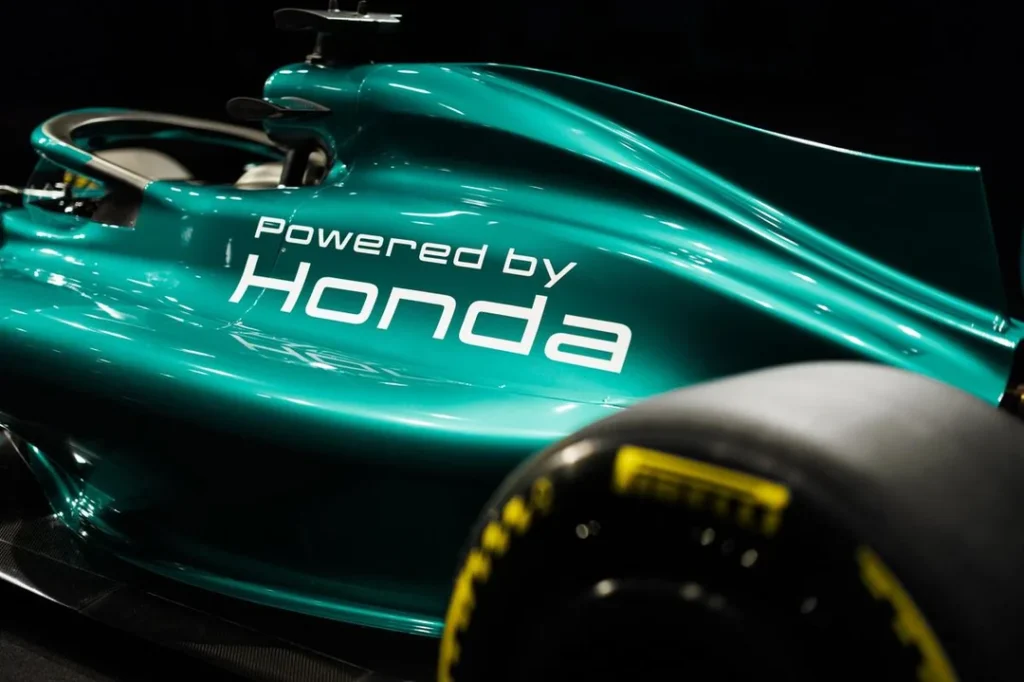
The earliest warning sign came not from Audi, but from Honda. Despite a century of internal combustion experience and recent championship success, Honda openly admitted that while the electrification side of its 2026 power unit is progressing as planned, the ICE is not. That alone raised eyebrows. Digging deeper, the explanation was less about incompetence and more about disruption: development teams wound down during the engine freeze, institutional knowledge fractured, and an entirely new power unit now being built by a largely rebuilt group, under new rules, with new fuels, and without the MGU-H safety net that previously masked turbo behavior.
Remove the MGU-H, remove split-turbo advantages, tighten packaging, change materials, alter bore and stroke, lower compression ratios, and suddenly even “simple” ICE development becomes a minefield. What makes it harder is that none of these choices exist in isolation. Engine design, cooling layout, center of gravity, and aerodynamics are inseparable, and committing early to the wrong direction can lock a manufacturer into years of compromise.
That context matters when looking at Audi’s current anxiety.
The Compression Ratio Fault Line
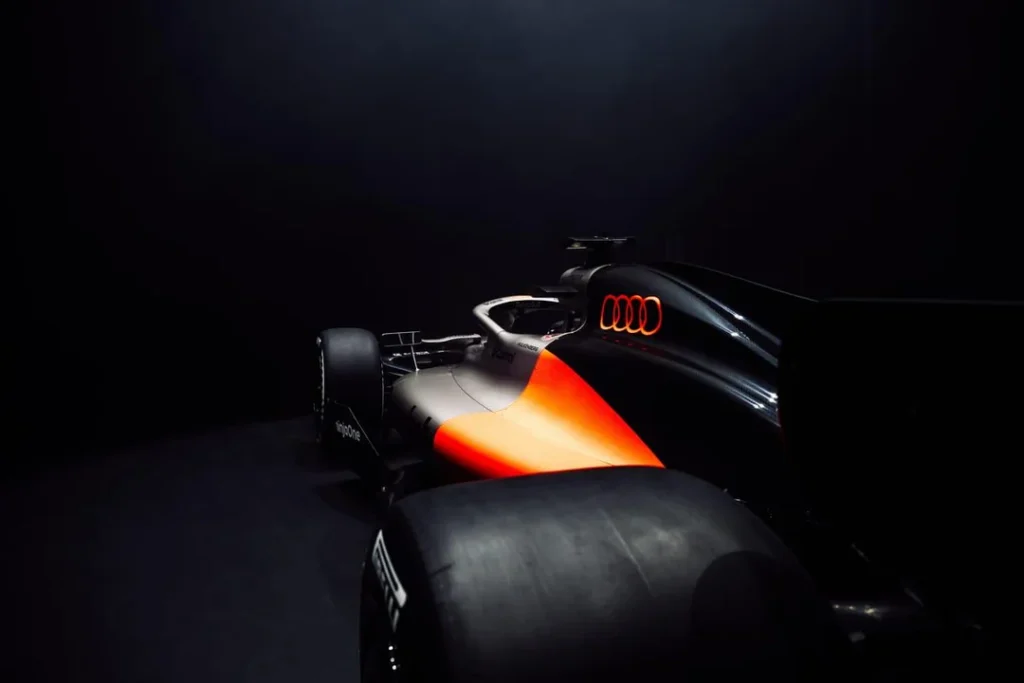
Audi’s fear is straightforward: if competitors are allowed to exploit the way compression ratio is defined and measured in the 2026 regulations, Audi risks starting its first F1 season with a deficit it cannot legally erase.
The rules cap compression at 16.0:1, reduced from 18.0:1, a change widely understood to have been made to simplify engines and make entry easier for newcomers. Ironically, that same reduction appears to have created unused performance headroom. Because the FIA’s mandated measurement procedure tests compression on a cold, disassembled engine at ambient temperature, teams can theoretically design engines that sit exactly at 16.0:1 when measured, but rise significantly once thermal expansion occurs under operating conditions.
This is not hypothetical. It is widely understood, and openly debated, that at least one manufacturer has pursued this path. And crucially, nothing about it breaks the rules as written.
Audi’s frustration is not simply that such an exploit exists, that is the nature of F1, but that it appears to have been fully realized after homologation timelines effectively closed. In other words: even if Audi now understands the trick, it may be barred from responding until the Additional Development and Upgrade Opportunity (ADUO) thresholds are triggered. No manufacturer wants to “sit a season out” knowing an advantage exists that cannot be copied.
Opposing voices see this as business as usual. Formula 1 has never been governed by the “spirit” of the rules, only by what can be measured and enforced. Flexi-wings, double diffusers, DAS, tire constructions, hybrid-era thermal efficiency: history is littered with examples where teams passed static tests while exploiting dynamic reality. If the FIA cannot measure compression at operating temperature, then compression at operating temperature is, functionally, undefined.
Both sides are correct. And that is precisely the problem.
Audi Enters the Political Arena
What makes this episode notable is not the existence of a loophole, but how quickly Audi has been forced into Formula 1’s political machinery. Calls for methodology reviews, real-time measurement discussions, and regulatory clarification are already underway, not to change the rule itself, but to potentially change how it is enforced in the future.
That distinction matters. Mid-cycle nerfs risk stranding multiple manufacturers with non-compliant engines they cannot redesign in time. Yet doing nothing risks entrenching an advantage created not by better combustion science, but by better interpretation of a test procedure.
This is quintessential F1. And Audi, whether ready or not, is now fully part of it.
While Engineers Argue, Designers Speak
Against that technical tension, the visual side of the 2026 era has become an unexpected counterpoint.
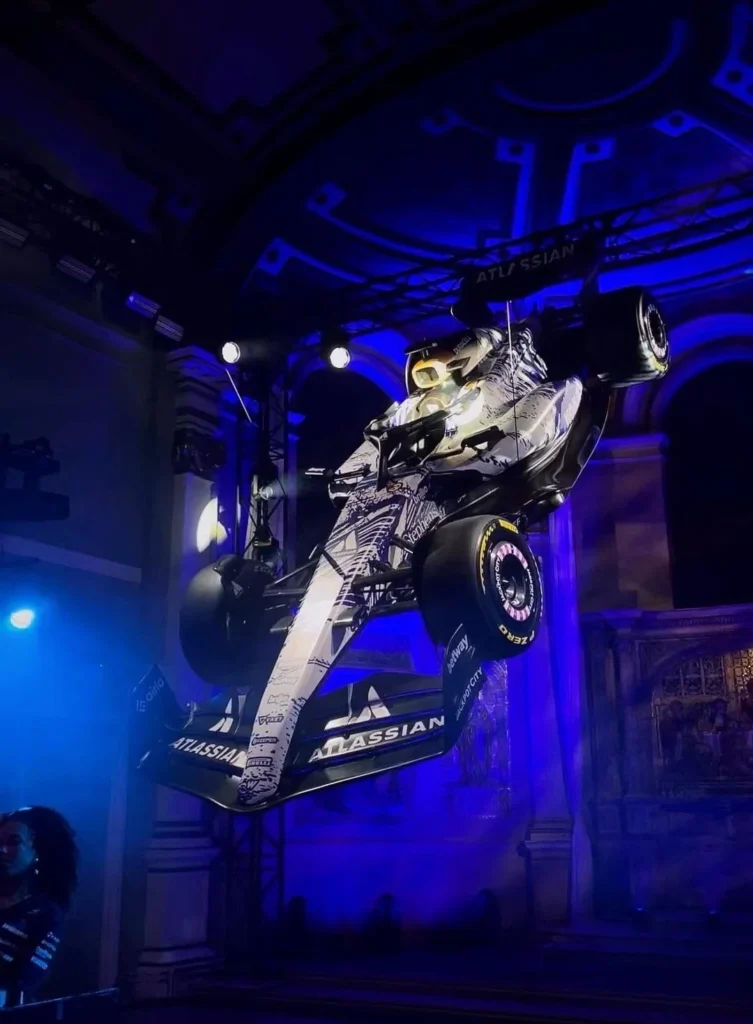
Racing Bulls’ VCARB-03 debuted with an air intake so large it dominated the conversation, a “whale shark,” an “air crate,” a throwback to Alpine 2021 and even Ligier JS5. But beneath the memes was genuine enthusiasm for the new-generation cars themselves. Smaller proportions, visible rake, flatter underbodies, cleaner wings, no wheel brows, cars that look like speedboats again rather than yachts. For the first time since ground effect returned, aesthetics feel aligned with aggression.
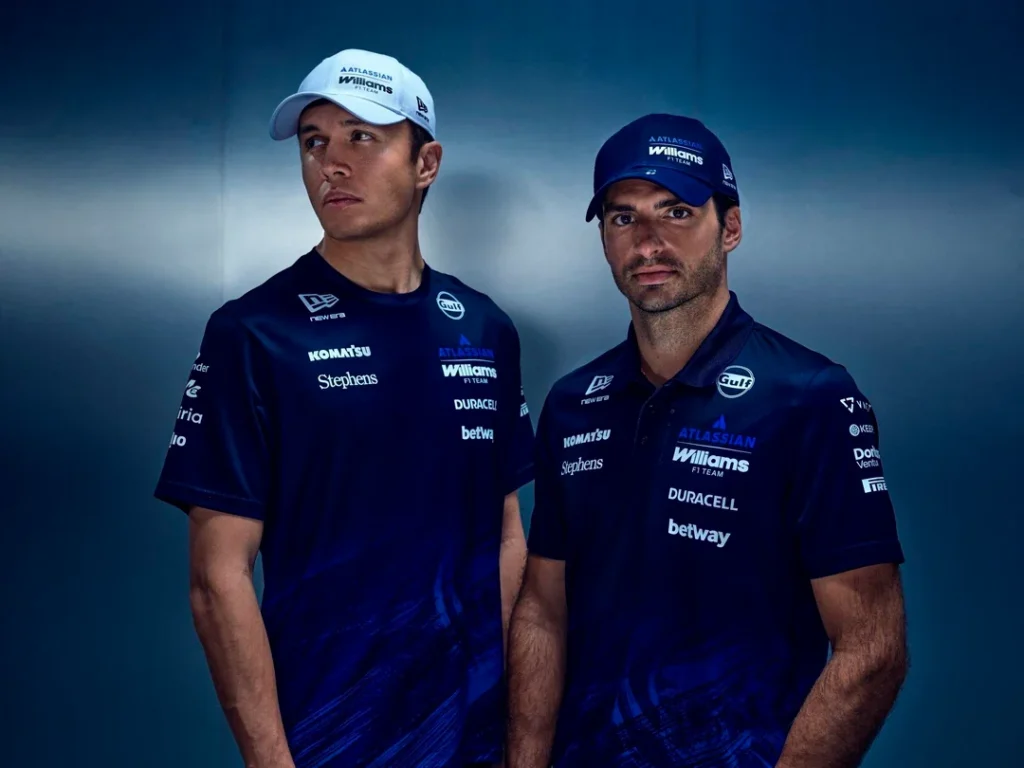
Williams, meanwhile, quietly won hearts by doing very little wrong. Its Barcelona test livery, camo on last year’s chassis, wasn’t about technical revelation, but brand continuity. The Duracell roll hoop lives on, and with it one of the most universally praised sponsorship placements in modern sport. Creative, intuitive, non-intrusive, and endlessly discussed, exactly what sponsors dream of. Williams’ team kit followed the same logic: brighter blue, controlled sponsor colors, and merch people actually want to wear.

McLaren’s switch to Puma landed for similar reasons. Less about the fashion itself and more about escaping the widely disliked Castore era. Quality matters. Fit matters. Wearability matters. For all the jokes about boybands and early-2000s styling, the underlying sentiment was relief.
Audi’s Visual Philosophy: Control Above All
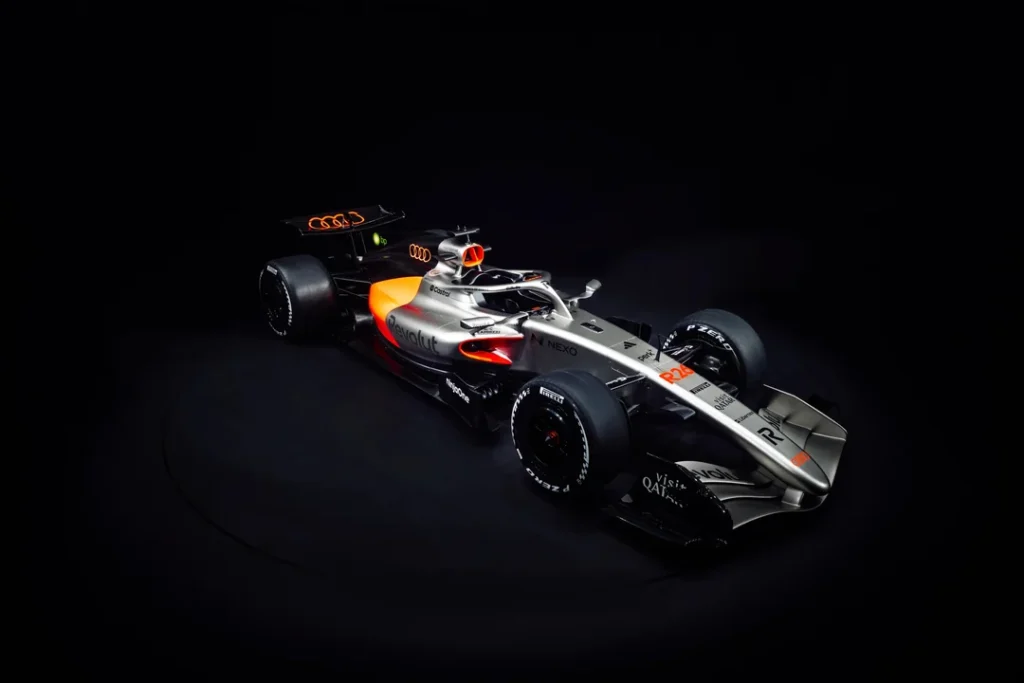
Audi’s own reveals made its philosophy unmistakable. The R26 is restrained to the point of provocation. Minimal sponsors. Fluorescent red that shifts under lighting. Half matte, half gloss. Clean surfaces left deliberately untouched. Even the near-invisible Revolut branding felt intentional rather than accidental.
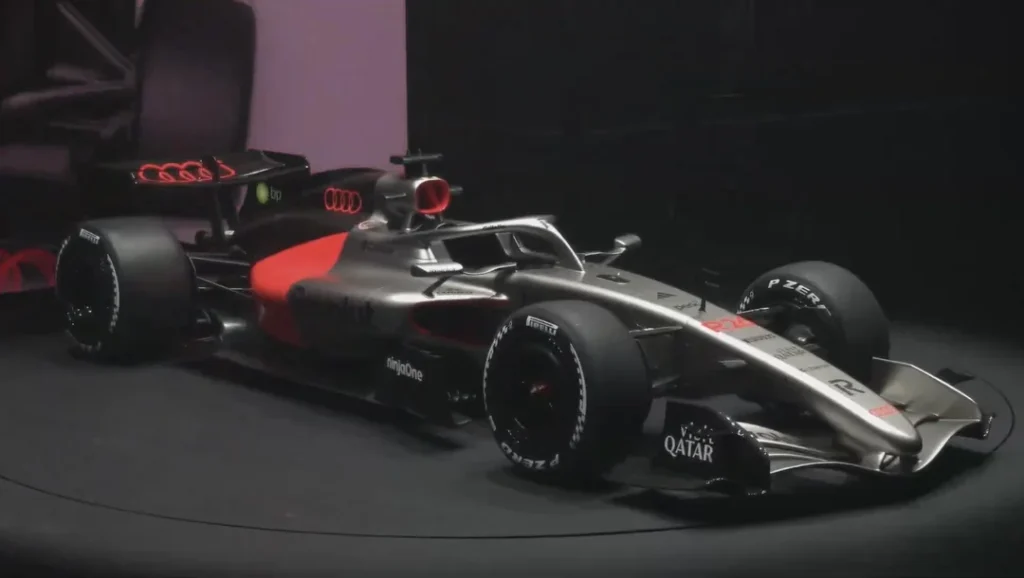
Some saw missed opportunity. Others saw confidence. Many simply appreciated a car that wasn’t fighting for attention on every square centimeter.
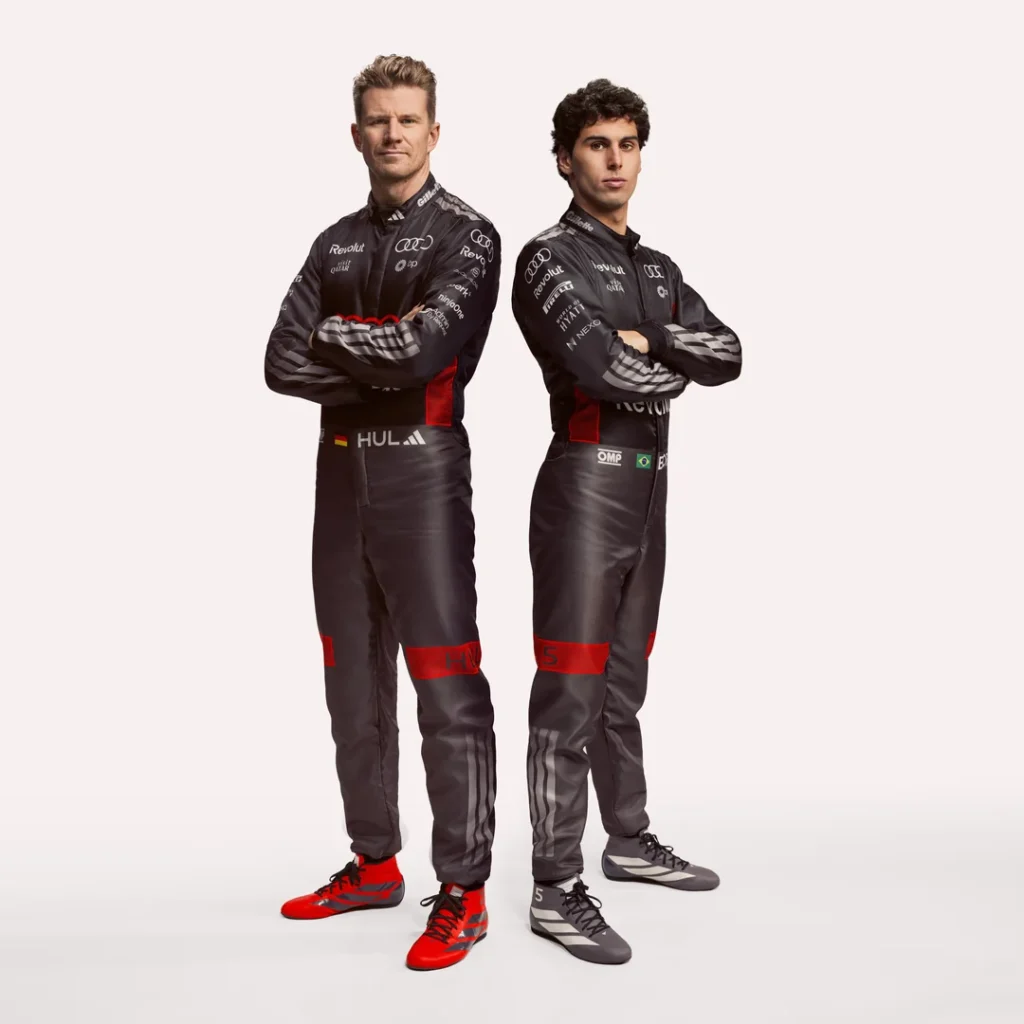
That restraint extended to the race suits, glossy, snug, divisive, and immediately controversial. Whether they looked like leather, AI renders, or Fortnite skins mattered less than the fact they became a conversation. Audi is clearly comfortable being read as cold, controlled, and unapologetically German, even when that invites jokes, discomfort, or cultural baggage.
Same New Era, Same Old Formula 1
Strip away the memes, the liveries, the stairs, the presentations, and the fashion debates, and the picture becomes clear.
2026 was never going to reset Formula 1’s instincts. New regulations don’t eliminate the sport’s core dynamic, they simply give it a new surface to play on. Teams will push rules to their breaking point. Rivals will cry foul. The FIA will balance enforcement against fallout. New entrants will discover that winning in F1 requires more than engineering excellence, it requires political fluency.
Audi is learning that lesson early.
Whether it learns it quickly enough to matter on track remains the only question that truly counts.