

Haas’s 2026 challenger, the VF-26, arrives surrounded by a familiar kind of Formula 1 noise, part reveal, part speculation, part argument about paint, partnerships, and what any of it really means. But beneath the jokes, memes, and side conversations, one theme is impossible to miss: this no longer feels like a Ferrari-leaning Haas project in the way previous cars did.
The VF-26 is being presented in the context of a deeper operational shift, with Toyota now playing a far more visible role in Haas’s future.
A Simulator That Signals More Than Just Hardware

The headline technical development tied to the VF-26 is Haas’s move to a Toyota simulator, described as a new simulator built specifically for the team and scheduled to become operational in 2026. The update is framed by some as a “major Toyota update” and, crucially, as a step that reduces Haas’s reliance on Ferrari, at least on the operational side.
While some reactions downplay the announcement, pointing out that Toyota funding for a simulator and a TPC program was already disclosed when the partnership began in late 2024, the key update is timing. The simulator is now explicitly positioned as part of Haas’s 2026 platform rather than a longer-term, abstract investment.
What the simulator is not is also made clear in the discussion. It is consistently referred to as a driving simulator, not an aero rig or anything more exotic, despite the inevitable internet detours into jokes and hypotheticals. Even so, its existence feeds into broader conversations about where Haas is heading and how much Ferrari influence remains embedded in the team’s infrastructure.
The Ferrari Question, and Why It Keeps Coming Up
The simulator news re-opens a long-running debate about Ferrari customer teams and competitive ceilings. Several commenters point out that only one non-Ferrari team has ever won a race with Ferrari power, referencing the 2008 Italian Grand Prix, while others push back by unpacking Ferrari’s extensive and often complicated history of customer engine supply, rebadging, and controlled parity.
Sauber’s Ferrari-powered era (under the Petronas name), Prost’s brief use of Ferrari engines, and Ferrari’s historical practice of supplying year-old engines and gearboxes are all cited as context. The underlying implication is not new: Ferrari customer relationships have traditionally been structured to protect Ferrari’s competitive position, not elevate its partners.
Against that backdrop, the Toyota simulator is read by many as symbolic. It is not about lap time today, but about loosening the structural dependency that has defined Haas since its entry into Formula 1.
From Haas to Toyota Gazoo Racing, Visually, at Least
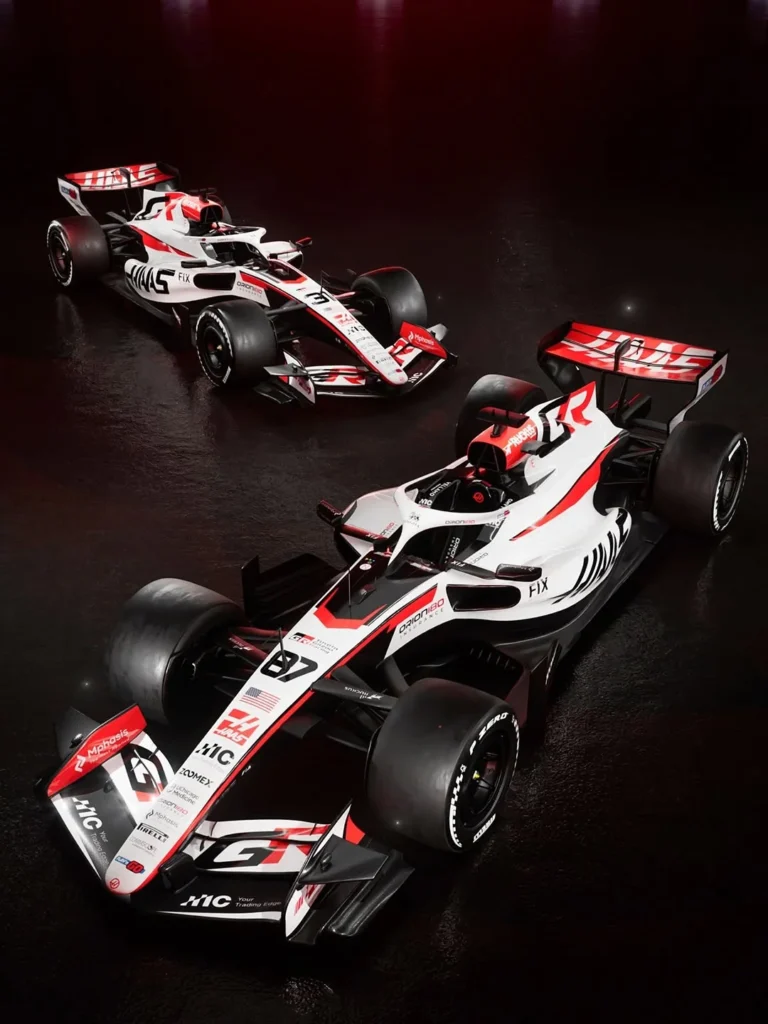
If the simulator hints at a philosophical shift, the VF-26’s appearance makes it impossible to ignore. Multiple reactions describe the car as looking more like a Toyota Gazoo Racing entry than a Haas, with the GR branding on the engine cover drawing particular attention. Some go further, joking about the team’s “metamorphosis” and openly speculating about eventual rebrands such as “Haas Toyota Racing” over the current “TGR Haas F1.”
There is no suggestion of an imminent powertrain change. In fact, several comments explicitly note that Toyota cannot enter an engine before 2029, and that Haas is contracted to Ferrari until 2028. Predictions cluster around 2029-2030 as the earliest realistic window for a Toyota power unit, if that path is ever taken.
Still, the visual identity matters. Replacing MoneyGram with GR branding is widely viewed as an upgrade, not just aesthetically but symbolically. Even those who defended the MoneyGram livery acknowledge that GR feels more aligned with motorsport culture and ambition.
Renders, Reality, and the Sidepod Debate
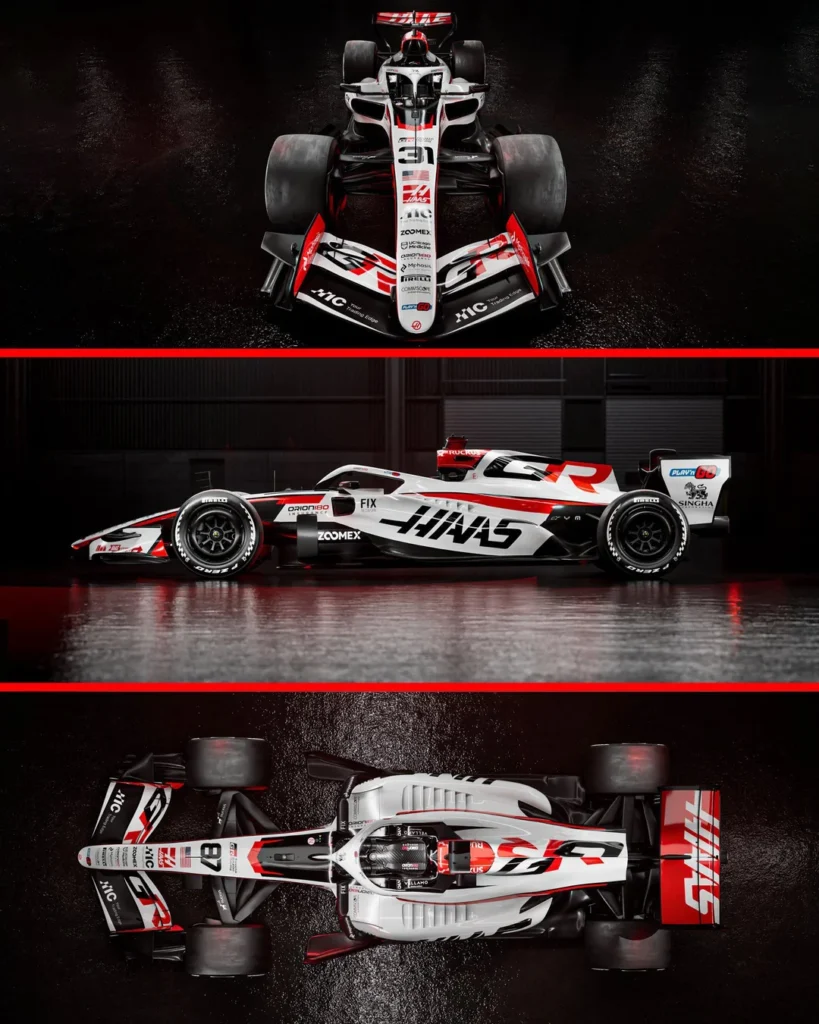
The VF-26 reveal itself is framed carefully. Haas presents the car as its latest challenger, but much of the discussion centers on the fact that these are renders, not photographs of a finished race car.
That distinction matters. Commenters repeatedly stress that renders can obscure, exaggerate, or outright misrepresent design elements. The VF-26’s sidepods, front-wing winglets, and even wheel proportions are questioned. Some note that the front tires appear unusually large relative to known 2026 dimensions, while others suggest this could be intentional, either to hide floor details or simply because the render does not reflect the final specification.
Historical precedent is cited. Haas’s 2022 livery reveal used a development model that looked dramatically different from the eventual race car, and several commenters caution against reading too much into early visuals. The consensus is straightforward: the VF-26 shown now is a version of the car, not the version that will line up in Melbourne.
Paint, Gloss, and a Grid in Transition
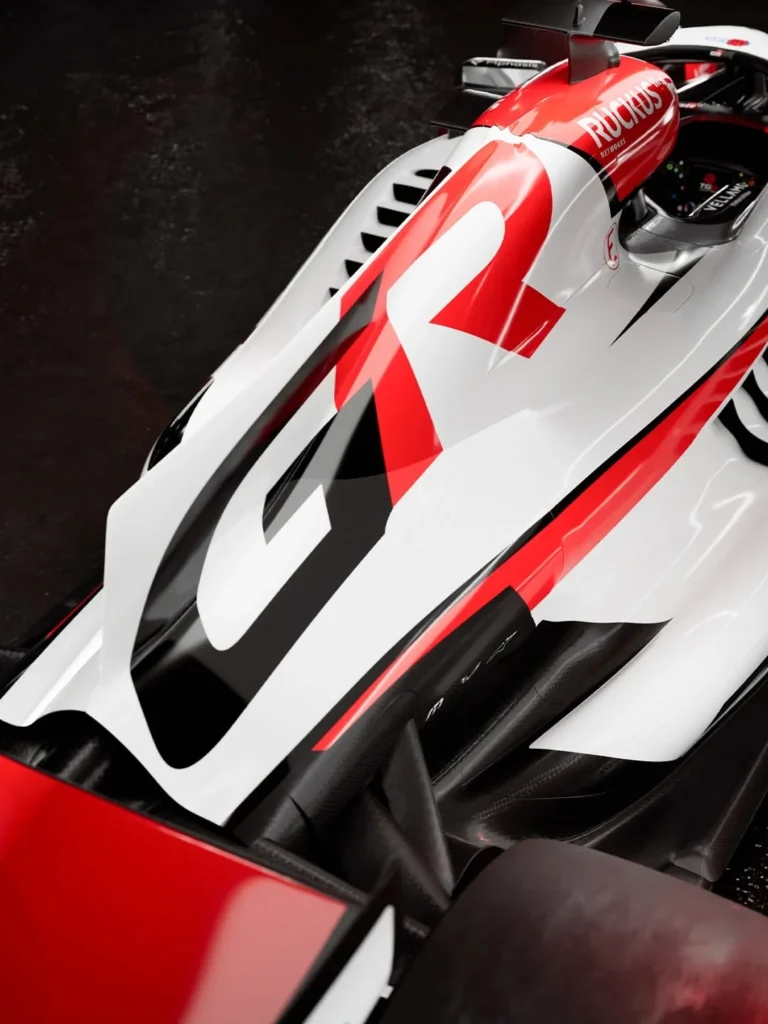
One area where the VF-26 draws unusually broad praise is its glossy finish. After years of matte liveries driven by weight savings and exposed carbon trends, the return of high-gloss paint is treated as both nostalgic and refreshing.
The reaction is not universal, but it is strong. Matte finishes are described as initially revolutionary but ultimately bland when overused. Glossy paint, by contrast, is framed as something that enhances bodywork and visual depth, particularly on cars with strong sculptural features.
This shift is also linked to regulation. Several comments reference the new FIA requirement mandating minimum painted surface coverage, which reduces teams’ ability to rely on exposed carbon. Whether white paint is lighter or heavier than darker colours becomes a secondary debate, but the outcome is clear: teams are painting their cars again, and the VF-26 benefits from it.
What the VF-26 Represents, Even If Nothing Is “Confirmed”
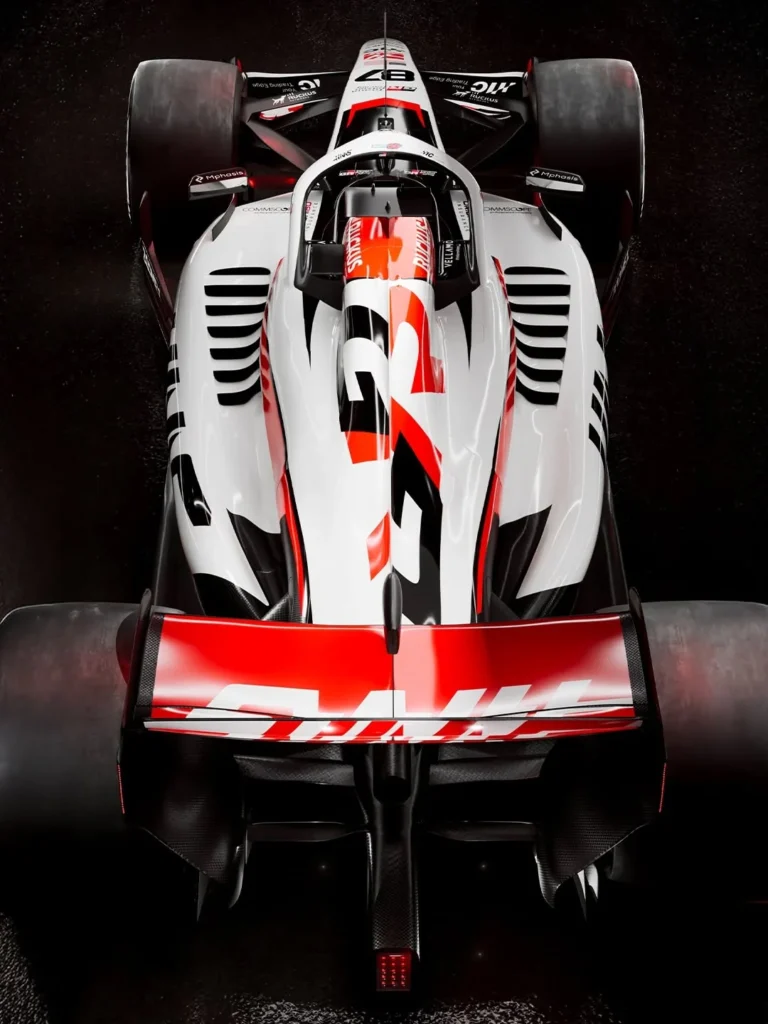
Taken together, the VF-26 does not announce a radical transformation in plain language. There is no confirmation of future engines, ownership changes, or rebrands. But it does reflect a team in transition.
The Toyota simulator reduces reliance on Ferrari infrastructure. The GR branding shifts the team’s visual identity. The renders invite speculation while withholding definitive answers. And the broader conversation places Haas within a longer arc, one that could, or could not, lead toward a deeper Toyota role in Formula 1 later in the decade.
For now, the VF-26 stands as a statement of direction rather than destination. And judging by the reaction, that may be exactly what Haas intended.