

If this off-season was supposed to be quiet, nobody told Audi, Honda, Ferrari, or the comment sections watching every blurry pixel like it’s a Zapruder film. With 2026 looming large, this week felt like the unofficial start of the new era, messy, speculative, technical, sarcastic, and genuinely exciting.
Audi’s R26: Bigfoot Footage, Real Laps, Real Momentum
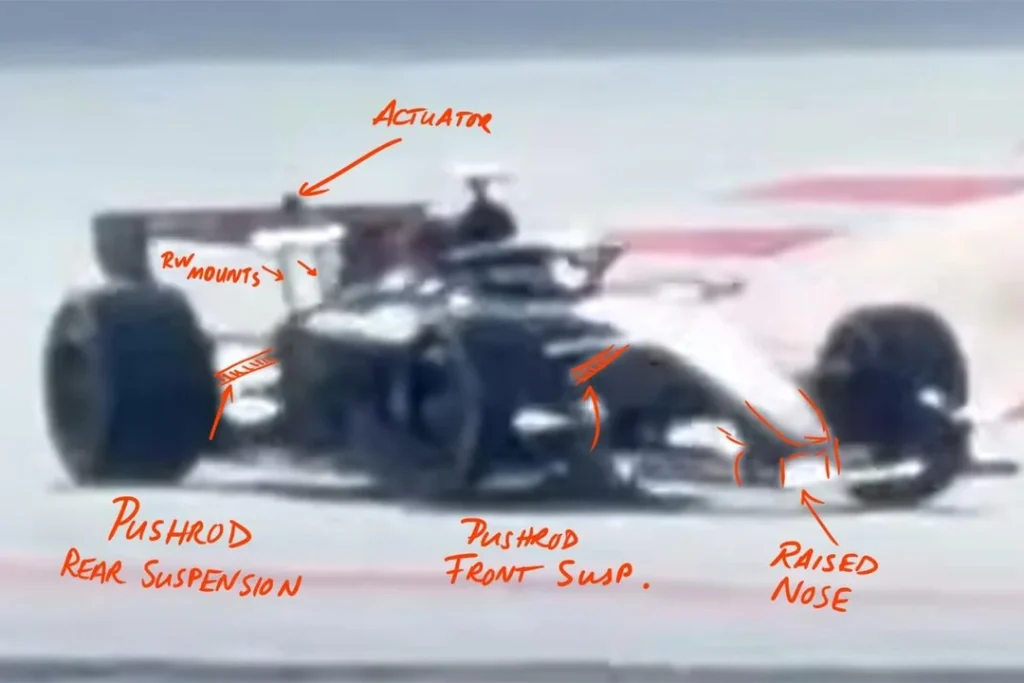
It began the way all great regulation cycles do: grainy spy shots from Barcelona and a collective agreement that the car “looks smaller,” even if nobody can quite agree by how much. The consensus, such as it is, settled on slightly shorter, slightly narrower, more boxy, with perspective, darker colors, narrower tyres, and a higher, narrower front wing doing most of the visual trickery.
The comparisons came fast. Early-2000s vibes. Raised noses making a welcome return. Nostalgia for an era when cars had bits sticking off them in every direction. The R26 name didn’t help either, memories of that R26 surfaced immediately, for better or worse.
Then came the jokes. Wheels were counted. Drivers were questioned. Audi AI conspiracy theories were born and immediately ridiculed. Quad-wheel concepts were floated, abandoned, and resurrected ironically. This, after all, is peak off-season: everyone pretending to extract deep meaning from photos that show little more than “yes, it is a car.”
What did land differently was confirmation. Audi officially put the R26 on track. First laps. First driver feedback. A real milestone, not just pixels. Nico Hülkenberg looked happy, which alone was enough for some to declare Hulkenwdc as inevitable, others to joke about Hulk dominating seasons into 2028, and a few to quietly admit that seeing him finally in a factory German project just feels… right.
Nobody serious believes the car is already a rocketship. Everybody serious believes it matters that Audi is rolling cleanly, reliably, and on schedule.
Sound of the Future (or Just a Bad Microphone)
A leaked paddock video added fuel to the fire. The Audi sounded like everything and nothing all at once: X-Wing, TIE Fighter, pod racer, hoover, Enterprise. Some heard something genuinely new. Others heard the same turbo-hybrid noise filtered through a potato microphone, possibly mounted on smart glasses.
The debate quickly got technical. Electric motor gearsets. Battery discharge. Detuned running. Inlet sound differences that broadcasts never capture. Veterans who’ve heard multiple manufacturers trackside weighed in: differences exist, but they’re subtle. Anyone expecting a V10 resurrection was politely, and sometimes not so politely, corrected.
The most grounded takeaway won out in the end: this running is about power units, not performance. Load testing. System validation. Broad shapes, not final solutions. Exciting because it’s real, not because it’s revelatory.
Still, for many, this was the first proper sensory glimpse of F1’s next era. And that counts. Observations remained conservative. Some rake. Nothing extreme. No silver bullets identified. Which, frankly, is refreshing.
Adidas, Identity, and Leaving the Stake Era Behind
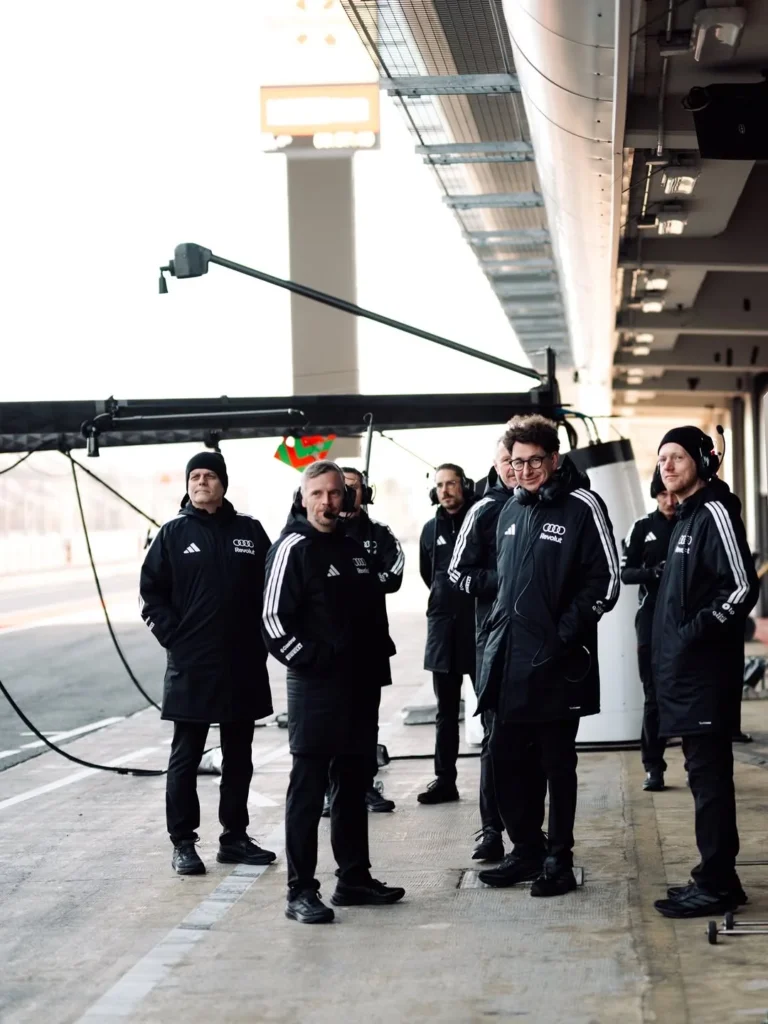
Audi’s broader identity rollout landed just as strongly. The kit reveal drew immediate reactions: clean, wearable, recognizably Audi. “Basically Mercedes but with rings,” was meant as both criticism and compliment. Crucially, it crossed an important threshold, people said they’d actually wear it outside.
That matters. Replica kits have drifted toward walking billboards, and while some love that authenticity, others welcomed a look that doesn’t scream sponsorship soup. Adidas earned praise for quality, consistency, and the undeniable feeling that Adidas plus German teams simply works.
Equally notable was what’s gone. The Stake era, slime green, chaotic visuals, unserious vibes, is over. Black dominates. Bare carbon appears in testing trim. “Concept by Audi” quietly signals intent. This looks like a factory team now, not a placeholder.
Behind the scenes clarity also emerged. Andreas Seidl is no longer part of the project. The structure is firmly under Binotto, with Wheatley as team principal. The earlier Audi-side power struggle is framed as resolved, not gracefully, but decisively.
Audi looks settled. That alone puts them ahead of where many new projects stall.
2026 Regulations: Smaller, Simpler, Still Complicated
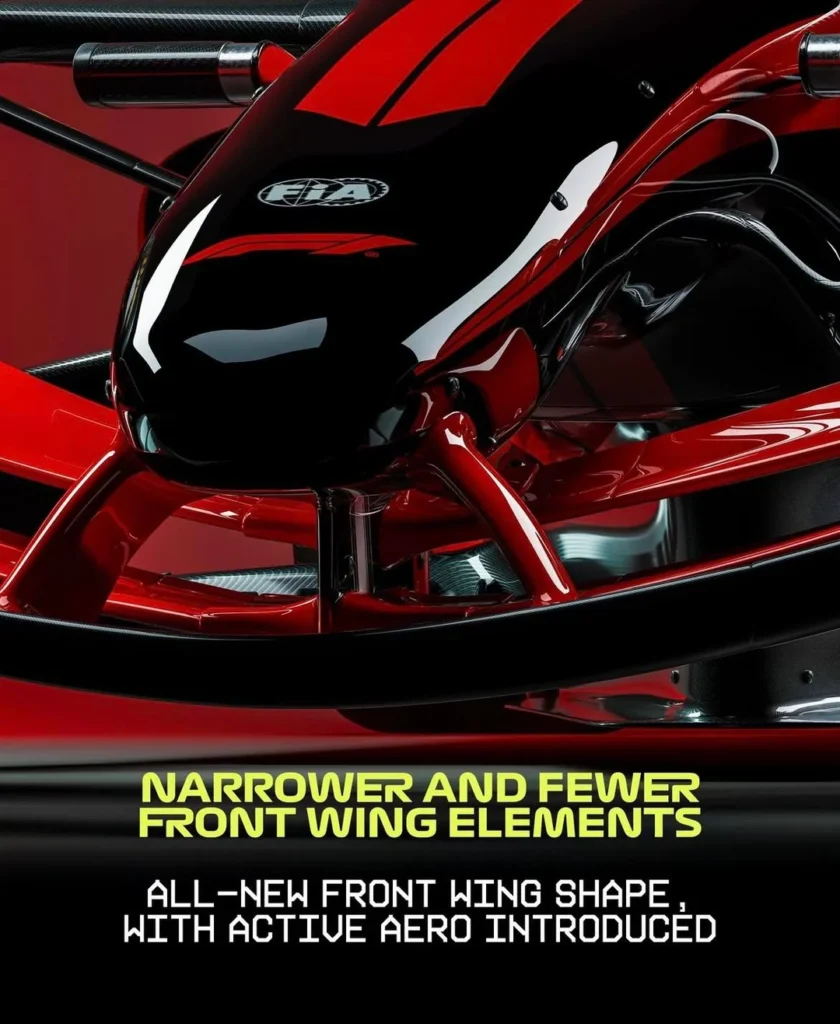
F1’s own push to explain the 2026 regulations continued, and for once, the effort was broadly appreciated. Casual fans may never care about diffuser power curves or ride-height sensitivity, but diehards welcomed the transparency.
The removal of full ground-effect tunnels sparked the most serious discussion. Reasons surfaced repeatedly: narrow operating windows, ultra-stiff setups, visibility in the rain, and long-term driver health. Porpoising may be under control now, but the fundamental low-ride-height dependency never really went away.
Not everyone is convinced this new concept will deliver better racing long-term. Active aero introduces its own complications. In-washing solutions will be exploited. Development curves may once again diverge sharply after a few seasons. But the cars are undeniably smaller, better proportioned, and, crucially, better looking to many.
The 55% paint rule drew optimism as well. More color. Less naked carbon. A collective plea for shiny finishes over matte. Aesthetics matter, and this rule might finally force teams to care again.
Reveal season is close. Liveries first, full cars from some teams soon after. Whether the optimism survives Melbourne remains to be seen.
Honda’s Confidence Play
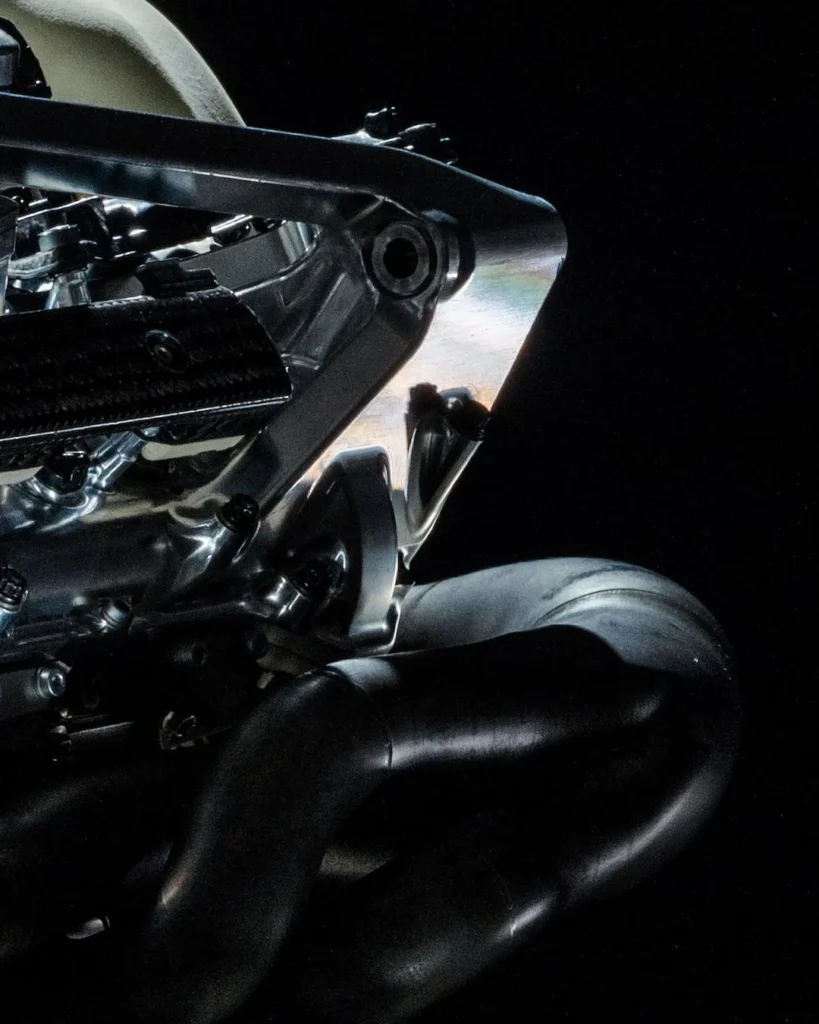
Honda’s engine teaser struck a very different tone: bold, proud, borderline swaggering. After exiting, re-entering, and rebuilding around the same infrastructure, the confidence reads as earned, or at least understandable.
Fans reminisced about past Honda sounds, praised downshifts, and joked about thirst traps for engine nerds. Corrections were made about which factories were actually sold and when. Skepticism lingered, as it always does, especially with Alonso-related trauma never far from memory.
Still, a dedicated engine reveal signals intent. Honda isn’t easing back in quietly. They want attention. And they’re getting it.
Ferrari, Leclerc, and the First Real Domino
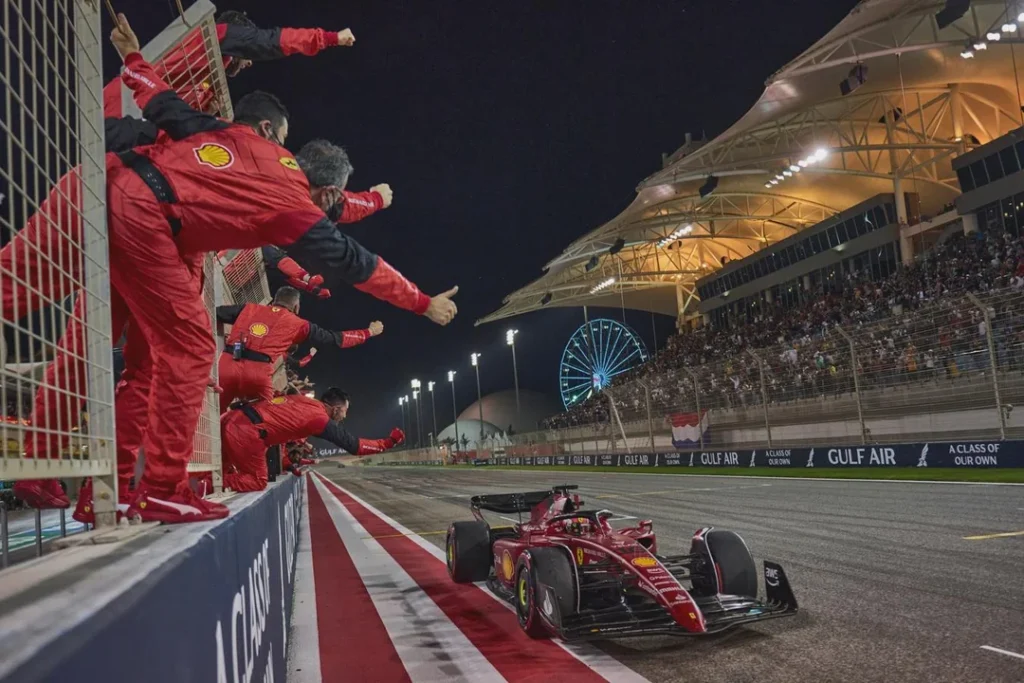
The week closed with something heavier: a report framing 2026 as make-or-break for Ferrari’s current leadership and for Charles Leclerc’s decade-long relationship with Maranello.
That single premise cracked open the entire driver market in theory. If Ferrari falters early, everything becomes possible. Leclerc on the market reshapes the grid, but only if performance gives him somewhere credible to go.
Red Bull, Aston Martin, Mercedes, Audi, even a resurgent Williams all entered the hypothetical carousel. Each option was dissected, dismissed, revived, or labeled wildly unlikely depending on assumptions about car performance, retirements, and Verstappen’s own future.
One idea cut through the noise: the true catalyst isn’t Leclerc, it’s Max. If Verstappen ever moves, the market explodes. Until then, most doors remain theoretical.
History loomed large in the debate. 2009 showed how quickly a midfield team can become a dynasty. 2014 showed how brutally a regulation change can lock decline in place. Ferrari, Red Bull, and Mercedes have defined the modern era, but regulation resets don’t always respect legacy.
For now, it’s all contingent. But for the first time in a while, the stakes feel genuinely real.
The Mood Heading Forward
This week didn’t deliver answers. It delivered momentum.
Audi is real, rolling, and organized. The cars look better. The rules are clearer. Manufacturers are confident. Drivers are watching closely. And the off-season speculation, ridiculous, technical, self-aware, is doing what it always does best: reminding everyone why this sport never really switches off.
The new era isn’t here yet.
But it’s loud, visible, and unmistakably close.