

The 2026 regulations were always going to reshape Formula 1. What’s becoming increasingly clear, though, is that the tension isn’t just about lap time. It’s about identity.
Across the paddock, drivers are expressing concern, sometimes bluntly, that the new cars risk shifting Formula 1 away from pure mechanical limit driving and toward something far more software-managed, energy-dictated, and strategically throttled.
And for the first time in a long time, many of them appear unified.
When “Clout” Becomes Necessary
One driver told Scott Mitchell-Malm that Max Verstappen effectively spoke for much of the grid when criticizing the new engine regulations. Many drivers agree privately, they simply won’t say it publicly.
There’s an obvious dynamic at play. A Verstappen or a Hamilton can openly question the direction of the sport. A driver further down the grid cannot. If a midfield driver made identical comments, the reaction would be ruthless. Instead of the concern being evaluated, the driver would be labeled incapable of adapting.
So the margins for speaking out belong to the established champions.
That matters, because the unease is not isolated.
The Core Concern: Cars No Longer Driven at the Limit
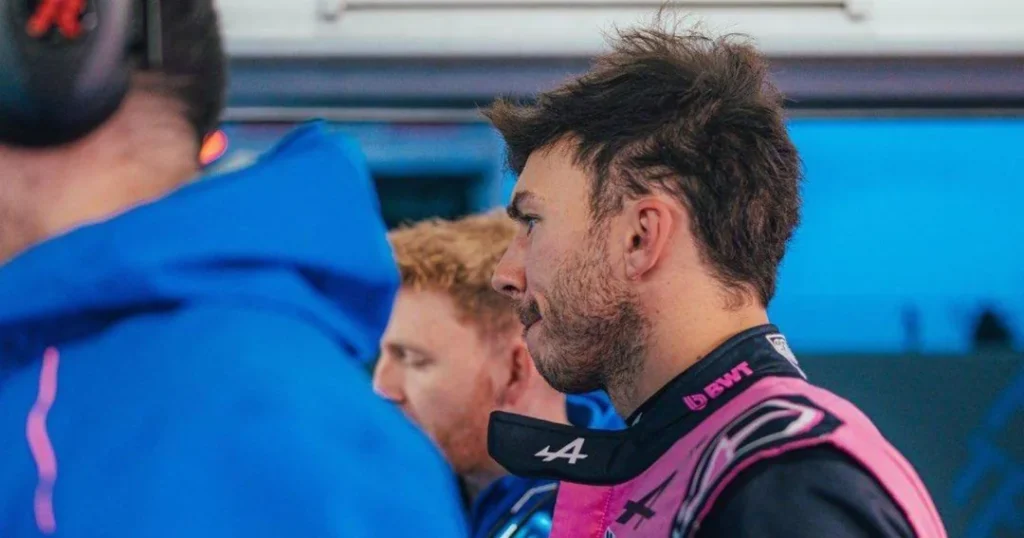
The fundamental issue isn’t that the 2026 cars are slower. It’s that in certain sections of the lap, they won’t be driven at the limit at all, even in qualifying.
Corners such as Bahrain’s Turn 12 are already being treated as recharge zones in testing. The cars possess the downforce and grip to go faster, but teams are intentionally slowing them to harvest energy. That is a philosophical break from prior eras.
In 2014, even if the cars were slower, drivers were still pushing to the absolute limit through every corner. In 2026, sections of the lap may be deliberately under-driven.
That’s what sits at the heart of comments suggesting drivers risk becoming “passengers.” The skill emphasis shifts from extracting maximum cornering speed to managing deployment maps and battery states.
In other words, qualifying could transition from mechanical skill maximization to strategic energy optimization.
Some view that as evolution. Others see it as dilution.
The Energy Paradox
The 50/50 ICE-to-electric split isn’t necessarily the problem in isolation. The paradox is regulatory: regeneration is capped heavily, the MGU-H is gone, and teams must scavenge energy over a lap while being restricted in how they do so.
That creates situations where:
- Drivers may need to lift on straights to avoid running out of energy.
- Deployment profiles dictate corner speeds.
- Software mapping governs throttle application even at full pedal input.
If a driver is flat on the throttle but software only delivers 20% power, the competitive differentiation shifts from driving technique to deployment programming.
That’s where the “FE on steroids” comparison comes from, not as an insult, but as a structural observation. Formula E embraces race-long energy management. Formula 1 historically reserved management for tires and fuel over stints, not hot laps.
The fear is that single-lap lift-and-coast becomes normal.
And that feels alien to drivers who grew up learning that qualifying means pushing flat-out everywhere.
Start Procedure Chaos and Engineering Arms Races
Compounding this philosophical debate is the technical complexity around race starts.
Front-row drivers face a unique problem under current procedures:
- Hold revs to keep the turbo spooled and risk battery overcharge.
- Let the turbo decay and sacrifice launch performance.
Cars at the back, arriving last on the grid, avoid the dilemma entirely.
Ferrari designed around this known issue. Other teams did not. Now some want the procedure standardized with a fixed equalization window. Ferrari-powered teams oppose it, arguing this isn’t a loophole but engineering execution under known rules.
That tension encapsulates 2026: is this an engineering championship first, or should regulatory fairness override design advantages?
For now, it remains unresolved.
OEMs, Sustainability, and the Identity Debate
There’s a broader undercurrent to all of this: are the regulations catering too heavily to manufacturers?
Some argue that F1 doesn’t need OEM influence and that simpler engines would produce better racing. Others counter that manufacturer involvement stabilized the sport financially and elevated its commercial viability.
The tension is historical. F1 has oscillated between privateer chaos and factory discipline. The current era leans heavily toward automotive relevance, sustainable fuels, hybrid systems, road-technology alignment.
But drivers aren’t evaluating the regs through shareholder lenses. They’re evaluating them through the steering wheel.
And some feel what they’re being asked to do resembles system management more than limit racing.
Not Everyone Is Convinced It’s Doom
It’s important to separate fear from outcome.
No one has seen a full season of racing under these regulations. The first half of the year could be chaotic, and chaos often produces compelling racing. Variable deployment strategies might create multi-lap battles, baiting tactics, and overtakes in unconventional zones.
There’s also precedent for pessimism being premature. Halo backlash. Hybrid backlash. Every regulation cycle has faced resistance.
The state of racing in 2027 will matter more than educated guesses in early 2026 testing.
Drivers are voicing concerns. That doesn’t mean those concerns will define the era.
Meanwhile, The Human Side of F1 Carries On
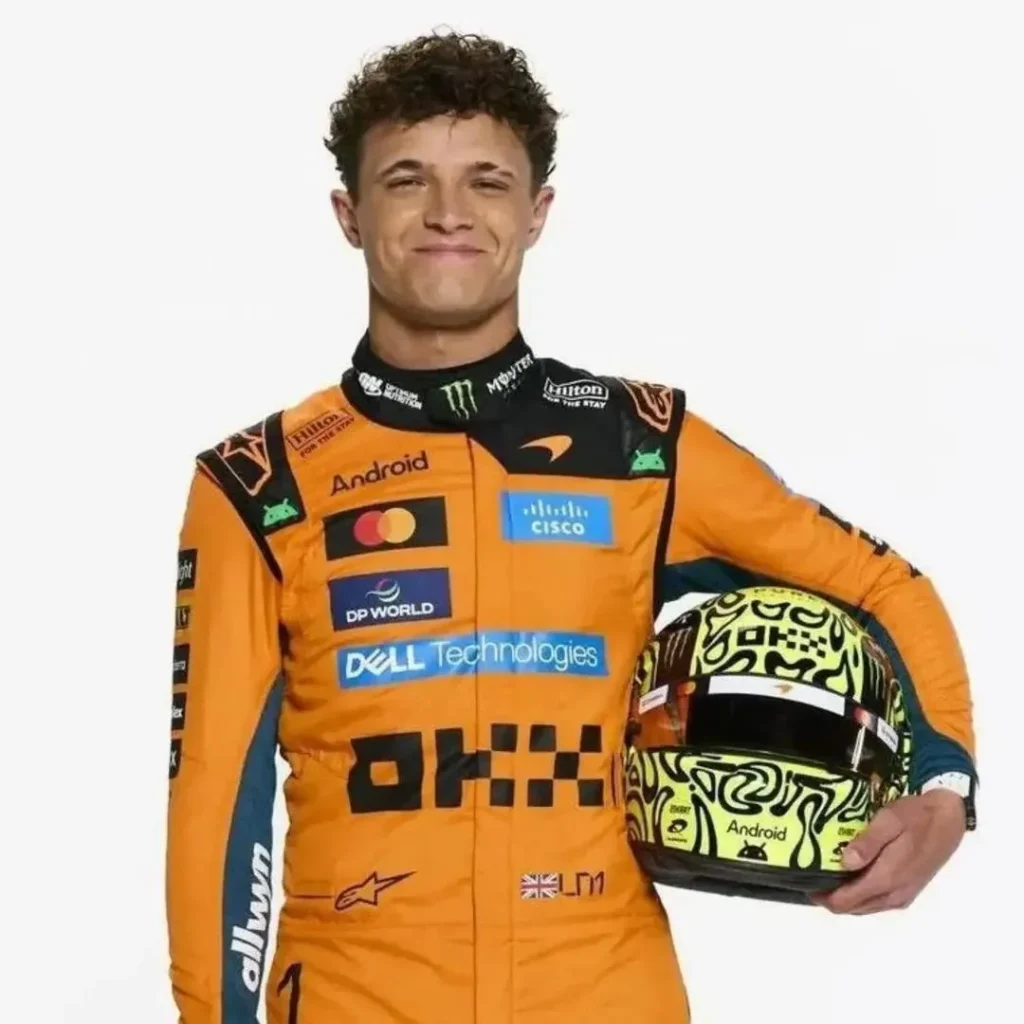
Amid all this structural uncertainty, individual narratives continue.
Lando Norris moved from “nowins” to World Champion in a single dominant arc, enduring relentless shifting goalposts along the way. Eleven career wins may feel modest in an era skewed by Schumacher, Vettel, Hamilton, and Verstappen dominance, but perspective matters: Norris became only the 36th driver in history to reach double-digit victories.
Nearly two-thirds of his races have occurred during Verstappen or Hamilton wins. Context reframes perception.
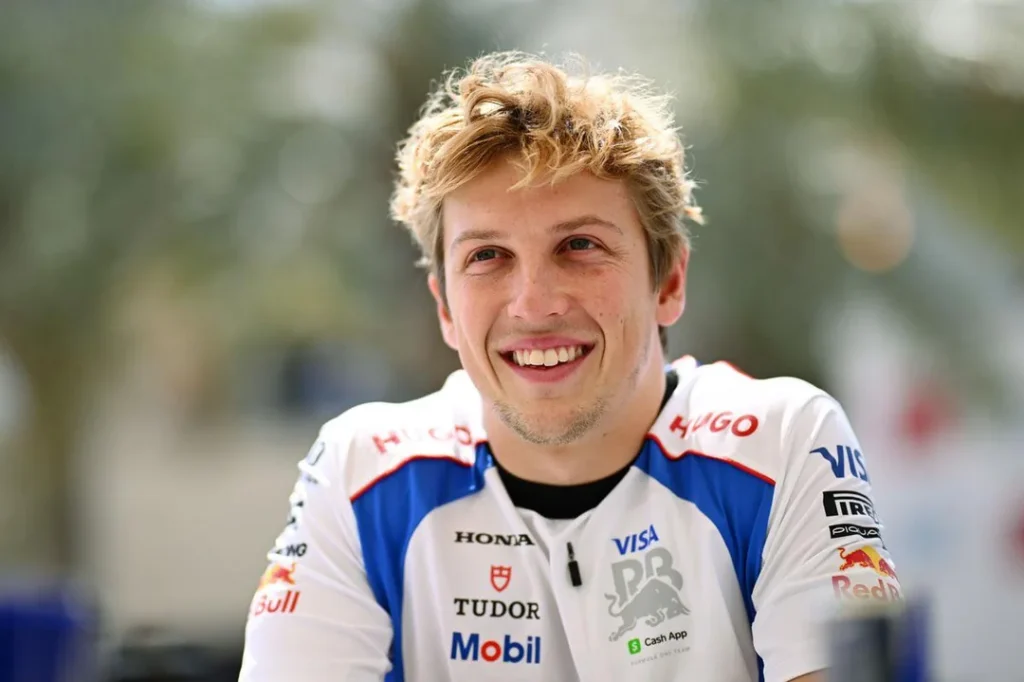
Elsewhere, Liam Lawson now holds the distinction of most races entered among current drivers without a podium, a statistic shaped as much by Red Bull’s management turbulence as by performance. Only five drivers on the grid lack a podium entirely.
F1 never stops producing storylines, even when its technical direction sparks debate.
The Real Question
The 2026 cars may be slower in certain corners. They may lift on straights. They may require smarter energy choreography.
Or they may evolve quickly and deliver compelling, unpredictable racing.
The central question isn’t whether they’ll be fast.
It’s whether fans will still recognize the spectacle as drivers wringing the absolute limit from the most extreme machinery on Earth, or whether the limit itself becomes secondary to software strategy.
For now, the grid is wary.
Australia will provide the first real answers.